


A Shift in the Digital Discovery Paradigm
The rise of generative AI has sparked significant anxiety across the digital publishing industry. For many websites, AI-generated summaries threaten to intercept users before they ever click on a link, potentially devastating advertising-based business models. However, a different story is emerging within the e-commerce sector, where AI is proving to be a massive catalyst for growth rather than a replacement for traditional methods.
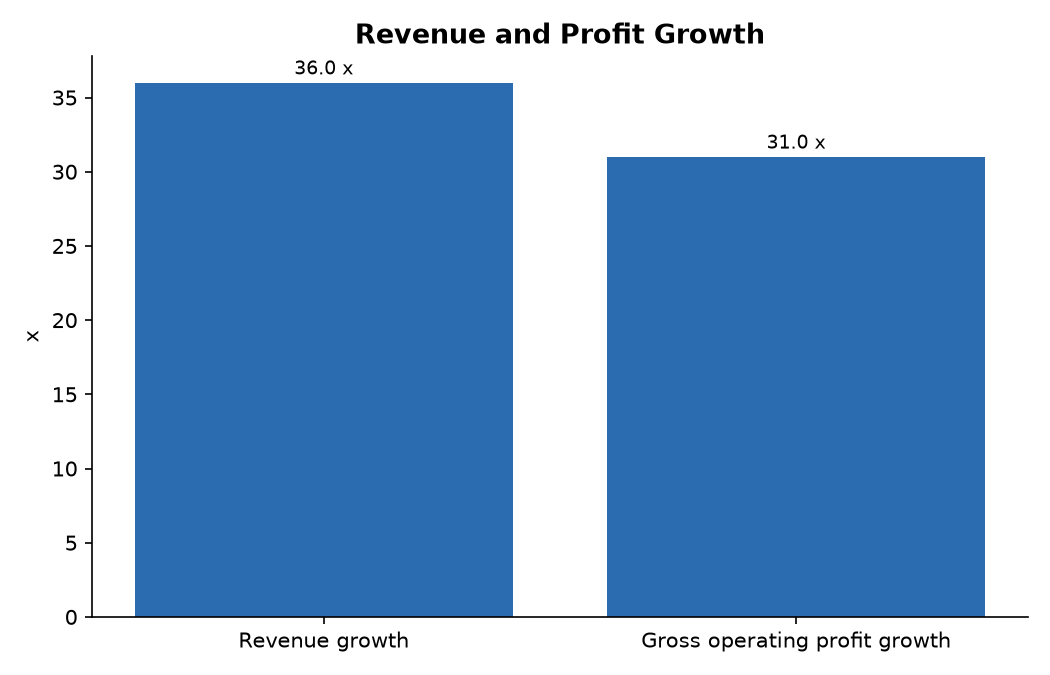
Recent financial performance highlights a striking trend: AI-driven traffic and orders are accelerating. Instead of competing with established search engines, AI agents are acting as sophisticated intermediaries that bridge the gap between complex consumer needs and specific product availability.
Intent-Based Shopping vs. Keyword Matching
The core difference between traditional search and AI-driven discovery lies in the depth of understanding. Traditional search engines typically rely on keyword popularity to rank results. If a user searches for a specific item, they are presented with the most popular matches for that term.
In contrast, AI agents utilize structured data to interpret complex, multi-dimensional queries. Consider a parent looking for a car seat that fits three across in a specific sedan model. A traditional search might simply return popular car seats. An AI agent, however, can process the vehicle dimensions, the specific requirement for three seats, and the user’s intent to find a precise match. This ability to navigate complex constraints leads to much higher conversion rates.
The Impact on the Customer Journey
This evolution is fundamentally changing how consumers move through the sales funnel. Data suggests that the shopping journey is being significantly compressed through AI interactions. Specifically, sessions referred by AI are landing directly on product description pages at a much higher rate than traditional search sessions. This direct path reduces friction and helps merchants convert interest into sales more efficiently.
Empowering the ‘Long Tail’ of Merchants
One of the most significant benefits of AI discovery is its impact on smaller retailers. In a traditional search environment, visibility is often dominated by massive brands with huge marketing budgets. AI-driven search, however, excels at scanning vast catalogs to find niche products that meet specific needs.
Recent data indicates that a vast majority of purchases attributed to AI occur outside of the most popular top-tier categories. This suggests that AI is helping smaller, specialized merchants—the ‘long tail’ of the market—reach customers who are looking for very specific solutions that might otherwise be buried in a standard search result list.
Integration and the Future of Transactions
To stay ahead, e-commerce platforms are aggressively integrating with major AI models and coding platforms. By building deep connectors with various AI assistants and development tools, these platforms ensure that their merchants remain discoverable within the new ecosystem of digital agents. As AI becomes more integrated into the transaction process, the focus is shifting from merely finding a product to executing a seamless, trusted purchase through an intelligent interface.