


The Evolution of AI-Assisted Programming
For many developers, the current state of AI coding involves a constant loop of reviewing and approving individual commands. However, this friction can slow down the creative process. To address this, Anthropic has announced a major update to its Claude Code tool: starting mid-August, ‘auto mode’ will become the default setting for Pro, Max, and Team subscribers.
This transition marks a move from interactive AI assistance toward truly autonomous agentic workflows. Instead of pausing to ask for permission for every minor adjustment, the AI will now proceed through complex tasks automatically, provided the actions are safe and contained within the user’s local environment.
Safety Through Automation: A Surprising Finding
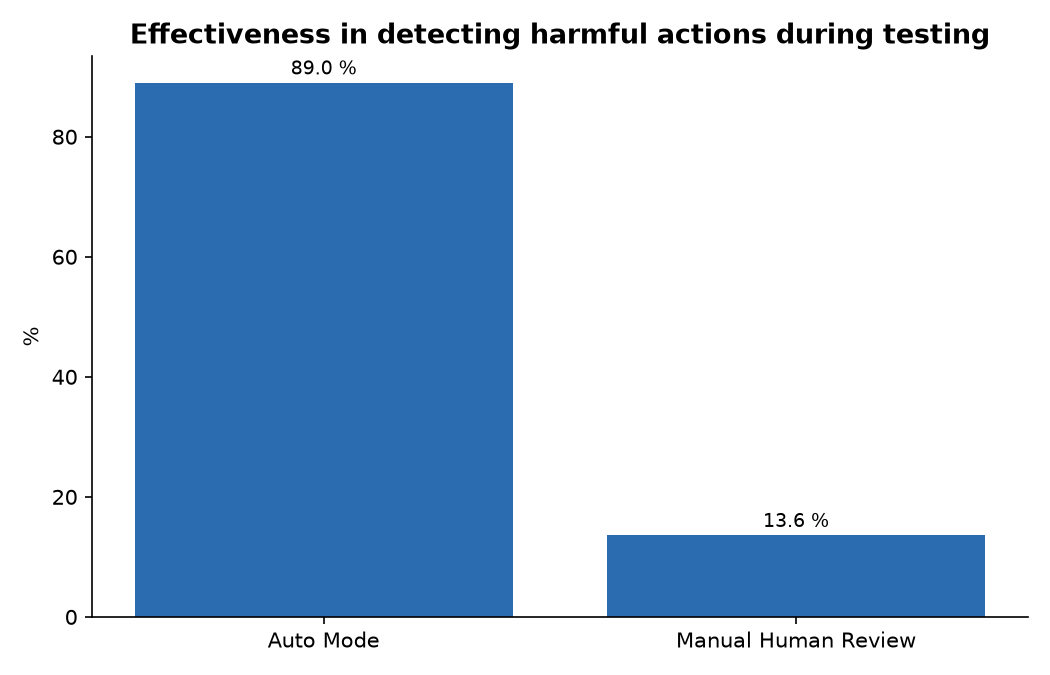
One might assume that removing human oversight increases risk. However, recent testing suggests the opposite. Data collected from a large group of paid testers revealed a startling discrepancy between human oversight and automated safety checks. When developers were tasked with reviewing AI actions manually, they tended to approve prompts habitually, often overlooking potential errors.
In a study involving over a thousand participants, the results showed that the automated safety protocols were significantly more effective at identifying problematic commands than human reviewers. The findings highlight a psychological tendency in developers to become desensitized to permission prompts, leading to a ‘rubber-stamping’ effect that can compromise security.
New Safeguards for Autonomous Workflows
To support this move toward greater autonomy, several layers of protection are being integrated into the system. These include:
- Prompt Injection Screening: Defending against malicious instructions designed to hijack the AI’s behavior.
- Hard Deny Rules: Allowing developers to set strict boundaries to prevent unauthorized actions.
- Environment Isolation: Ensuring the AI does not perform actions that are irreversible or outside the intended workspace.
As AI agents become more capable of handling entire development lifecycles, the industry is moving toward a model where humans act more as architects and supervisors rather than manual gatekeepers for every line of code.