


The Erosion of the Traditional Model
For much of the late 20th century, the 60/40 portfolio—composed of 60% equities and 40% bonds—was the cornerstone of prudent investing. It was a simple, elegant strategy designed to provide growth through stocks while offering a safety net through government bonds. When stocks fluctuated, bonds were expected to provide a stabilizing effect.
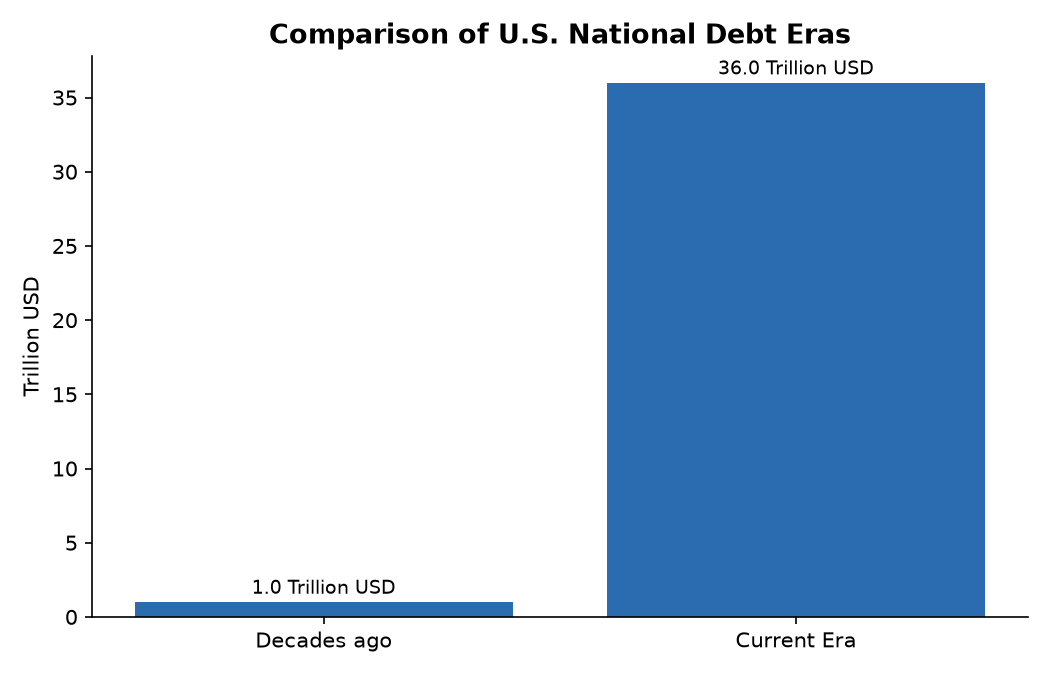
However, this correlation has broken down. Recent market volatility has shown that stocks and bonds can crash simultaneously, failing to provide the diversification investors once relied upon. The era of high-yield, low-risk government debt is a relic of the past; where investors once enjoyed double-digit yields on Treasuries, modern rates offer significantly less, while national debt levels have surged from under a trillion dollars to over $36 trillion.
The Rise of Private Markets
The investment landscape has expanded dramatically. In previous decades, sophisticated asset classes like private equity and real estate were the exclusive domain of institutional endowments and ultra-high-net-worth individuals. Today, the barrier to entry has collapsed.
Retail investors can now gain exposure to private markets through liquid ETFs, allowing for diversification that was once impossible without significant capital. This shift has changed the fundamental math of portfolio construction, offering new ways to capture value outside of the traditional public markets.
A Modern Alternative Allocation
As the effectiveness of bonds wanes, some professionals are rethinking their entire strategy. Instead of relying on traditional debt instruments, new models are emerging that prioritize liquidity and asymmetric upside. A contemporary alternative might look like this:
- Public Equities: Focusing on broad market indices like the S&P 500 to avoid the pitfalls of individual stock picking.
- Private Markets: Utilizing private equity vehicles for enhanced growth potential.
- Stability Assets: Using gold as a historical store of value and cash/money markets for liquidity.
- Digital Assets: Including a small, controlled allocation to Bitcoin as an asymmetric bet on the future of digital reserves.
Ultimately, the goal is to build a strategy that reflects the current economic reality rather than clinging to a model built for a world that no longer exists.