

The Complexity of Modern Contact Centers
The race to automate customer service is heating up, with a surge of new startups attempting to replace human agents with generative AI across calls, chats, and messaging. While the market is flooded with companies promising total automation through Large Language Models (LLMs), industry veterans are suggesting a more nuanced approach.
The core challenge for modern enterprises is that not every customer inquiry requires a sophisticated, resource-heavy AI. Many queries—such as checking an account balance or verifying a transaction—are routine and can be handled by much simpler, more cost-effective tools. Relying solely on heavy AI models for these tasks can lead to significant operational waste.
Strategic Tools vs. Brute Force
The current landscape is divided between companies that define themselves purely through generative AI and those that prioritize a multi-tool approach. The most successful deployments in the contact center space will likely be those that select the right ‘weapon’ for the specific task at hand. Using a massive AI model for a simple request is often compared to using a heavy weapon when a precision tool would suffice.
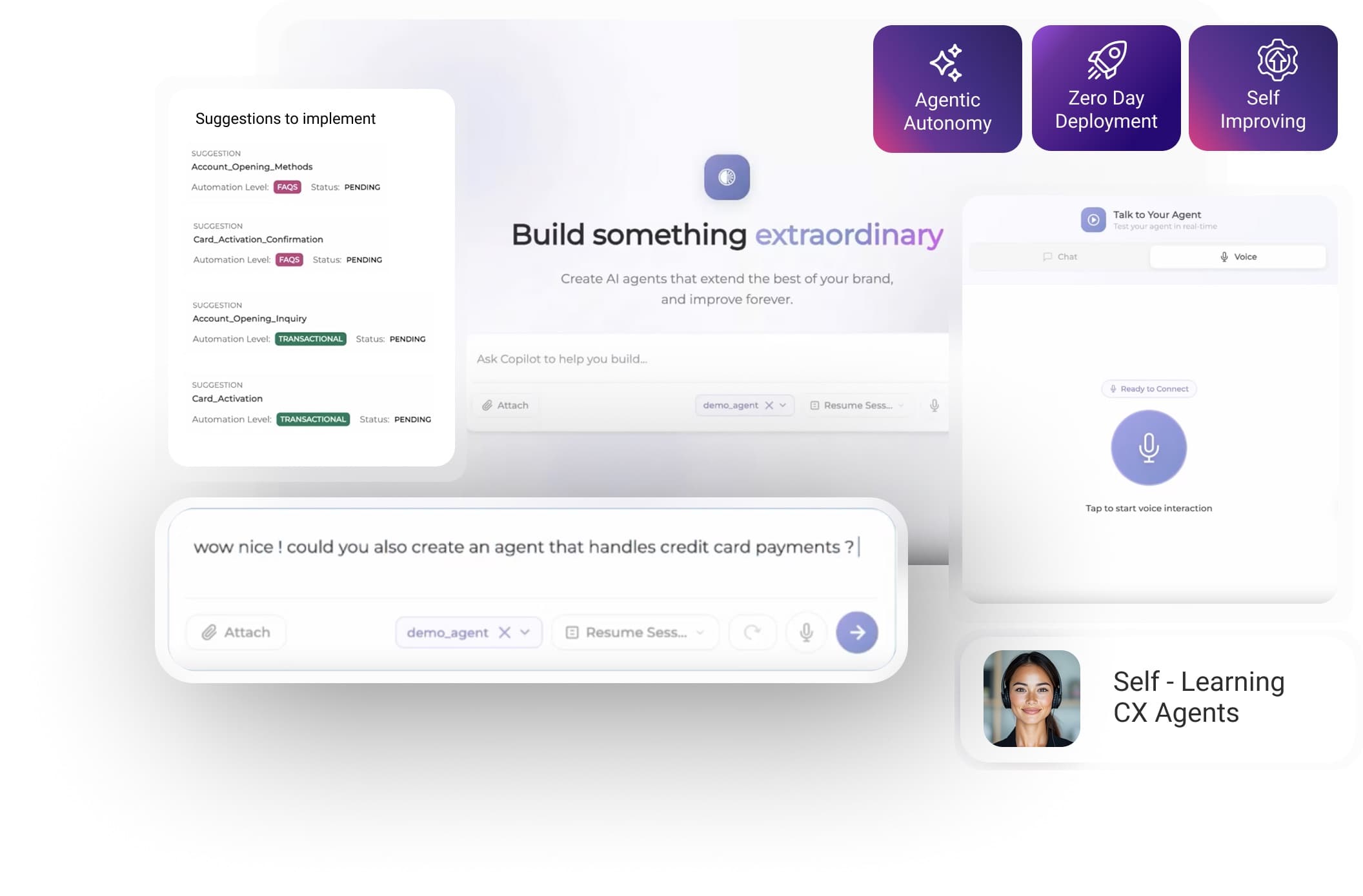
This strategic approach focuses on building self-learning agents capable of operating seamlessly across various contact points. By prioritizing high-value interactions for advanced AI and using streamlined tools for basic tasks, companies can achieve much better unit economics and a clearer Return on Investment (ROI).
Scaling for Global Impact
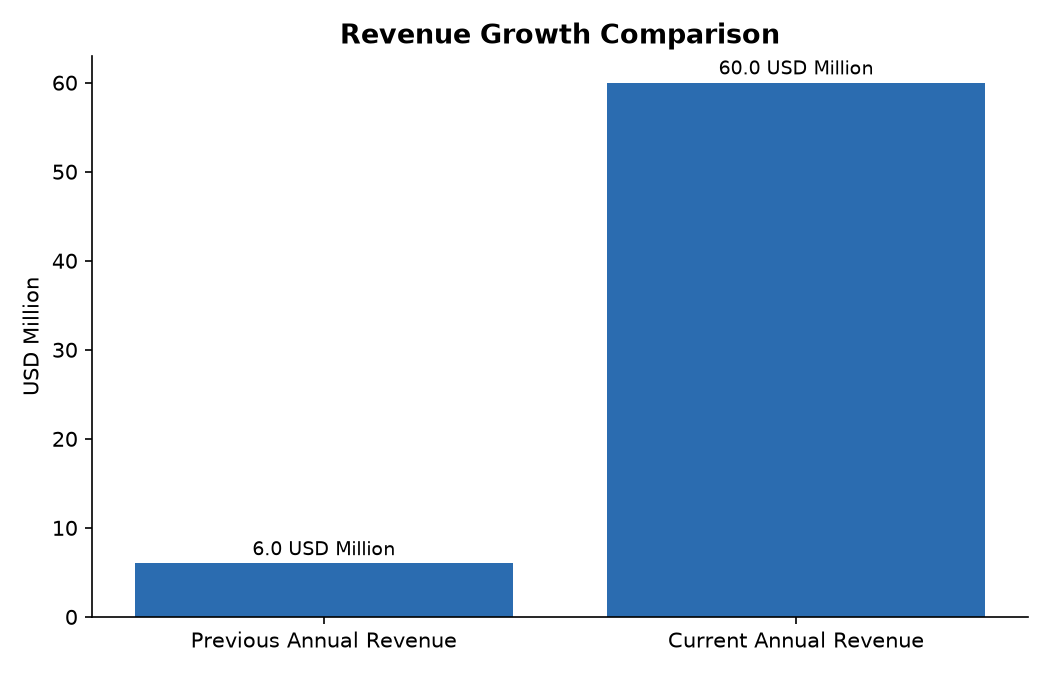
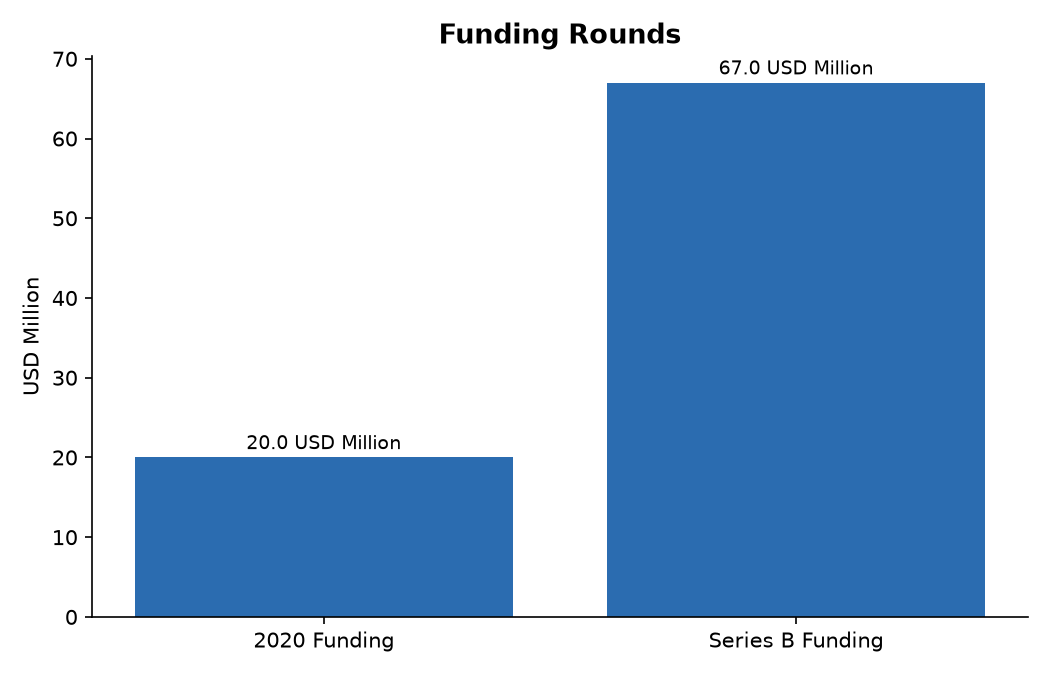
A notable Athens-based firm has recently secured $67 million in Series B funding to accelerate this vision. This capital injection follows a period of massive growth, during which the company saw its annual recurring revenue increase tenfold, reaching $60 million. This growth has been achieved through steady, sustainable scaling rather than massive, frequent cash infusions.
The company plans to use the new funds to expand its footprint in the United States, a critical market for its revenue growth. This expansion includes opening new offices and strengthening its leadership team with key hires in marketing, revenue operations, and sales leadership.
Real-World Applications and Reliability
The practical application of this technology is already visible in the fast-food industry. Voice-based ordering systems are being deployed across thousands of restaurant outlets to streamline drive-thru experiences. However, the transition to automated voice ordering is not without its growing pains, as system errors can lead to highly unusual and costly customer orders.
As the sector matures, the winners will likely be those who can offer reliable, error-free automation that integrates deeply with existing business processes. The goal is not just to be the most technologically advanced, but to build the stable foundations required for long-term, billion-dollar revenue growth.