


The Critical Distinction: Medical vs. Custodial Care
One of the most dangerous misconceptions in financial planning is the assumption that standard health insurance or Medicare will cover all aspects of aging. To plan effectively, families must distinguish between two very different types of support:
- Medical Care: This covers clinical interventions, such as hospital stays, surgeries, and physician consultations. Most standard health coverage is designed to manage these acute needs.
- Custodial Care: This refers to assistance with daily living activities, such as bathing, dressing, eating, or mobility. This is the type of support required for assisted living or home-based care.
Crucially, standard health insurance and Medicare are generally not designed to fund long-term custodial care. Relying on these programs for ongoing daily assistance can lead to significant out-of-pocket expenses that were never accounted for in a wealth management strategy.
The Hidden Costs of Care
When discussing long-term care, many focus solely on the monthly invoice for a facility. However, the true impact is multifaceted and extends beyond simple accounting:
- Logistical and Emotional Stress: Making high-stakes decisions during a health crisis can lead to family friction and rushed, suboptimal choices.
- Opportunity Costs: Family members may need to reduce work hours or exit the workforce entirely to provide care, impacting their own long-term financial security.
Strategic Asset Management and Liquidity
For affluent families, the challenge isn’t typically a lack of funds, but rather the accessibility and structure of those funds. If assets are tied up in illiquid holdings like real estate or complex business interests, meeting sudden care costs can be difficult without disrupting estate goals or legacy plans.
A proactive strategy involves reviewing all income streams—such as pensions, annuities, and investment distributions—against potential lifestyle and care expenses. This ensures that the choice to fund care doesn’t compromise the financial stability of a surviving spouse or the intended inheritance for heirs.
Navigating Medicare and Insurance Options
Medicare coverage decisions made early in life can have permanent implications. For example, switching between Medicare Advantage and Original Medicare (with a Medigap policy) may become difficult later due to medical underwriting or enrollment restrictions.
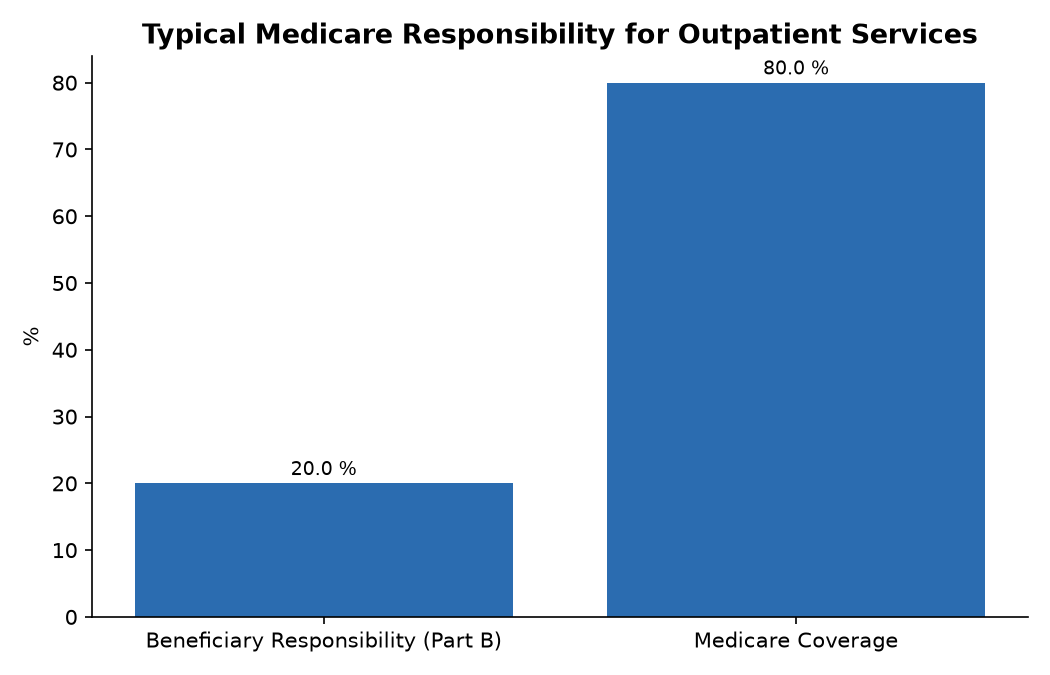
Families must weigh the benefits of different coverage models: Medigap can help cover the 20% coinsurance typically left by Medicare Part B, whereas Medicare Advantage offers different trade-offs regarding provider networks and out-of-pocket limits. Evaluating these options alongside long-term care insurance or hybrid solutions is vital to avoiding a financial crisis at the moment of diagnosis.
Building a Roadmap for the Future
The most effective way to protect dignity and independence is through early organization. This includes coordinating with legal and financial professionals to establish powers of attorney, healthcare proxies, and clear asset titling. By treating care planning as a core component of a holistic financial plan, families can transform a potential crisis into a manageable transition.