


Bitcoin Regains Ground After Volatile Stretch
Bitcoin pushed back toward the $78,000 threshold, marking a meaningful rebound from its recent pullback. The recovery suggests that buyers are stepping in at key support levels, even as macroeconomic uncertainty continues to weigh on risk assets broadly. The move underscores the persistent appetite for large-cap digital assets among both retail and institutional participants.
After weeks of sideways trading and intermittent sell-offs, the flagship cryptocurrency appears to be reclaiming lost ground. Market participants are watching whether this momentum can hold above the $78,000 zone, a level that has historically acted as both a psychological barrier and a technical pivot point.
The Robinhood Chain Ecosystem Extends Its Gains
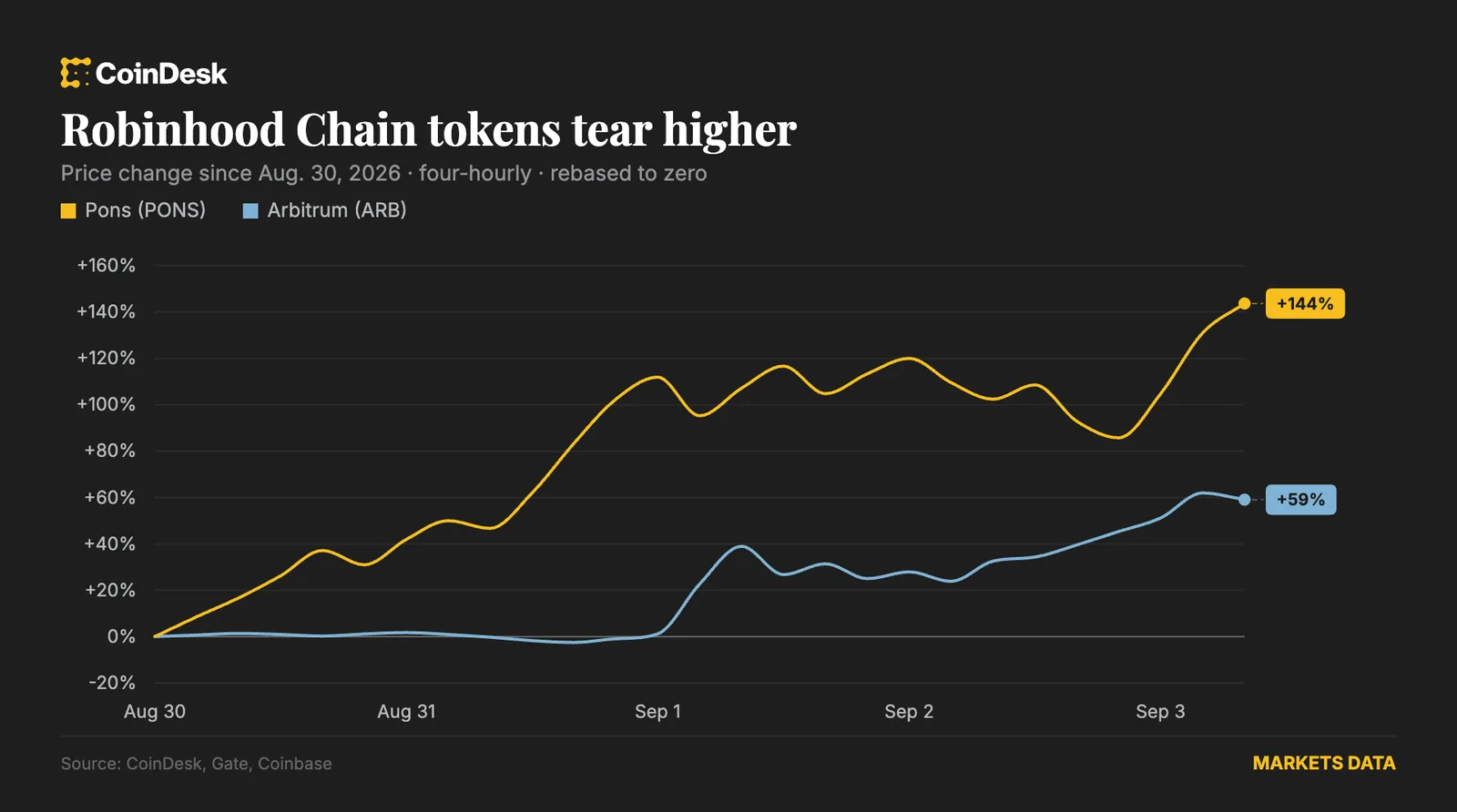
While Bitcoin leads the headline action, the Robinhood Chain ecosystem has been quietly building momentum. The platform’s expansion into decentralized infrastructure has attracted growing attention, and recent price action across its associated tokens reflects that interest.
Polygon and Arbitrum have been two of the strongest contributors to this rally. Both projects serve as Layer 2 scaling solutions, addressing the congestion and high transaction costs that have long plagued major blockchain networks. Their continued development and adoption are fueling confidence among traders who see utility-driven growth as a sustainable foundation for price appreciation.
Why Polygon and Arbitrum Matter in This Rally
Polygon has positioned itself as a versatile scaling framework, enabling developers to build and deploy decentralized applications with lower fees and faster finality. Its recent integrations and partnerships have expanded its footprint well beyond the Ethereum ecosystem, drawing in new capital and user activity.
Arbitrum, meanwhile, has capitalized on its optimistic rollup technology to capture a significant share of Layer 2 transaction volume. The network’s growing total value locked and increasing number of active protocols make it a central pillar of the Robinhood Chain narrative. Together, these two projects represent complementary approaches to the same fundamental challenge: making blockchain networks more accessible and efficient at scale.
What This Means for Investors
The convergence of Bitcoin’s price recovery and the Robinhood Chain rally points to a broader shift in market sentiment. Investors who had adopted a cautious stance during the recent downturn are now reassessing their exposure to digital assets. The fact that both a store-of-value asset like Bitcoin and utility-focused Layer 2 tokens are moving in tandem suggests that the current momentum is not isolated to a single narrative.
That said, seasoned market participants caution that rallies driven by multiple sectors can be fragile. Regulatory developments, shifts in monetary policy, and sudden changes in macroeconomic conditions could all test the durability of this rebound. For now, the alignment between Bitcoin’s recovery and the Robinhood Chain ecosystem’s strength offers a compelling story — but one that demands continued vigilance from anyone allocating capital in this space.
Looking Ahead
The path forward for Bitcoin and the Robinhood Chain ecosystem will likely depend on whether current momentum translates into sustained adoption and on-chain activity. If Layer 2 networks continue to attract developers and users at the pace seen in recent weeks, the foundation beneath this rally may prove more resilient than previous attempts to break key resistance levels. For the broader market, the coming sessions will be critical in determining whether this recovery marks the start of a new trend or simply a temporary reprieve.