


Macroeconomic Headwinds: The Fed Factor
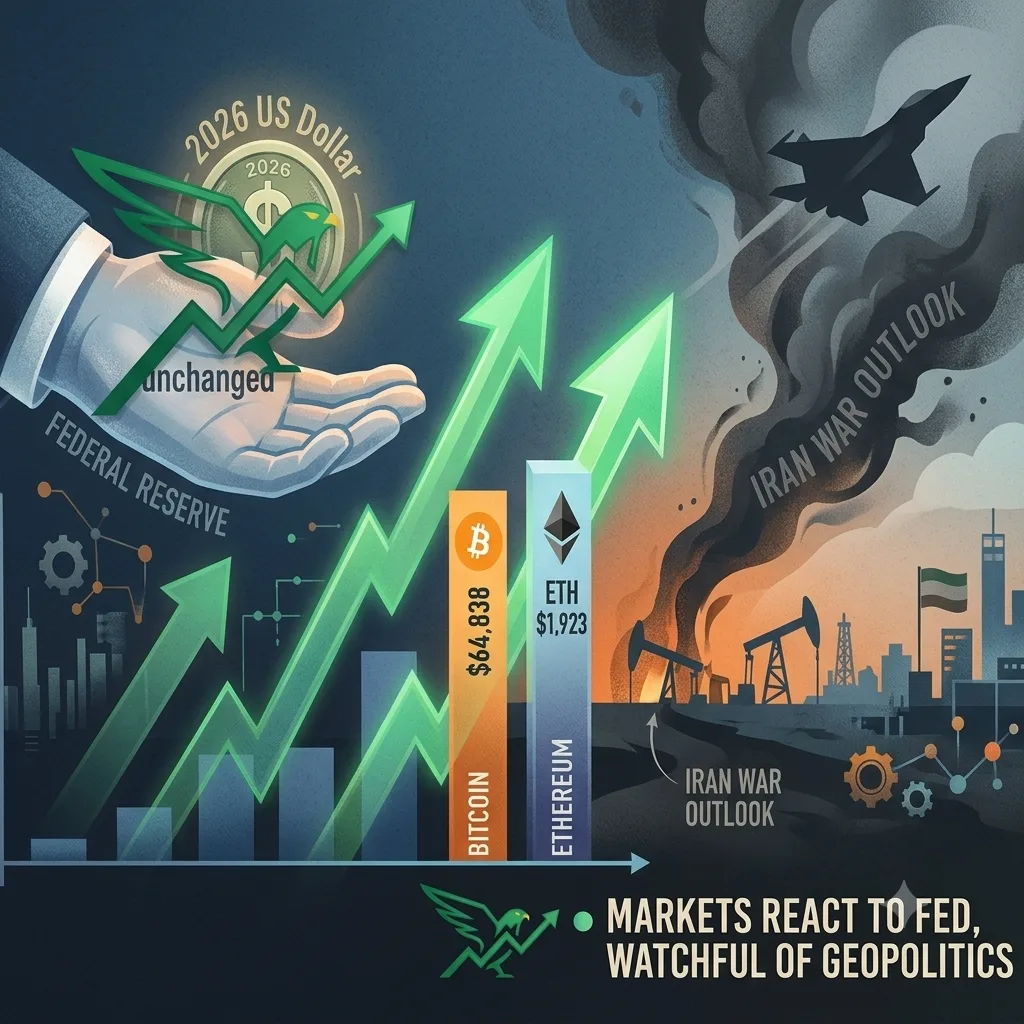
Bitcoin is currently navigating a period of heightened volatility, trading near the $63,000-$64,000 mark. The primary catalyst for this recent downward pressure is the market’s anticipation of the Federal Reserve’s policy meeting. Investors are increasingly sensitive to the central bank’s stance on interest rates, which directly impacts the appetite for high-risk assets like Bitcoin.
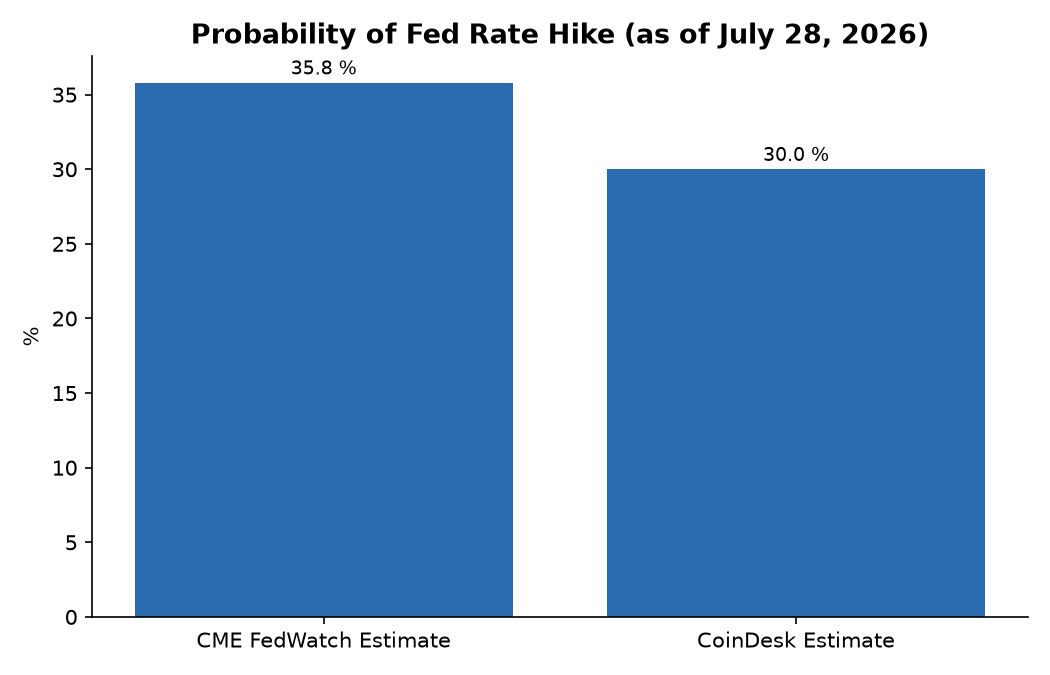
Current market projections show a growing divide. While some models suggest a high probability of rates remaining unchanged, others indicate a rising likelihood of a rate hike. This uncertainty is keeping traders on the sidelines, waiting for a clear signal from policymakers to determine if the current trend is a temporary dip or the start of a deeper correction toward the $60,000 support zone.
ETF Momentum Reverses
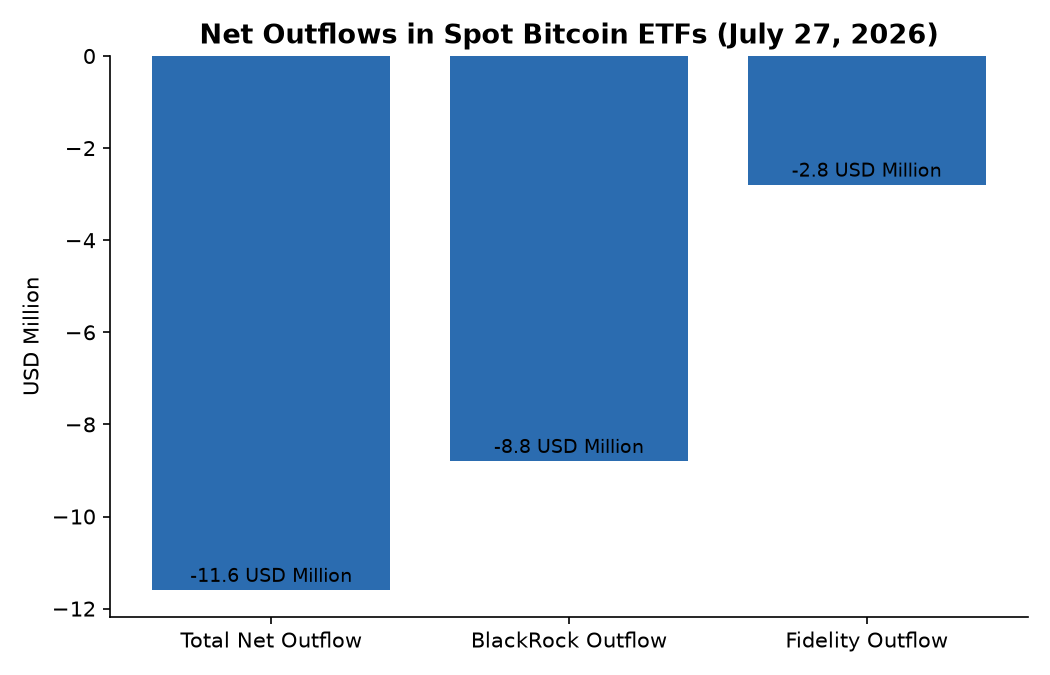
The steady influx of institutional capital via spot Bitcoin ETFs has hit a brief roadblock. After a significant seven-session rally that saw inflows approaching $1 billion, the momentum has shifted toward outflows. On July 27, 2026, the market saw a combined net outflow of $11.6 million, with major players like BlackRock and Fidelity leading the retreat.
This reversal highlights the sensitivity of institutional demand to macroeconomic shifts. While the recent outflows are modest compared to the massive withdrawals seen earlier in the month, they underscore a growing trend of defensive positioning among professional investors.
Corporate Adoption vs. Market Volatility
Despite the short-term price struggles, the underlying narrative of corporate accumulation remains intact. A notable example is Hyperscale Data, which recently disclosed a Bitcoin treasury reaching 1,106 BTC, valued at approximately $71.7 million. This move suggests that some corporations view Bitcoin as a vital long-term store of value, regardless of daily price fluctuations or the current ‘fear’ sentiment in the retail market.
Furthermore, regulatory developments continue to shape the landscape. Recent SEC filings regarding crypto-linked index products and new adviser statuses for digital asset firms indicate that the infrastructure for institutional participation is steadily maturing, even during periods of price instability.
Market Sentiment: The Fear Factor
The Fear & Greed Index currently sits at 28, firmly placing the market in ‘Fear’ territory. This decline in sentiment reflects the broader weekly price drop and suggests that traders are becoming increasingly defensive. While the derivatives market shows a slight long bias, the lack of massive liquidations suggests that the current decline is an orderly repositioning rather than a forced deleveraging event.
Reported by various market data sources and analysis.