


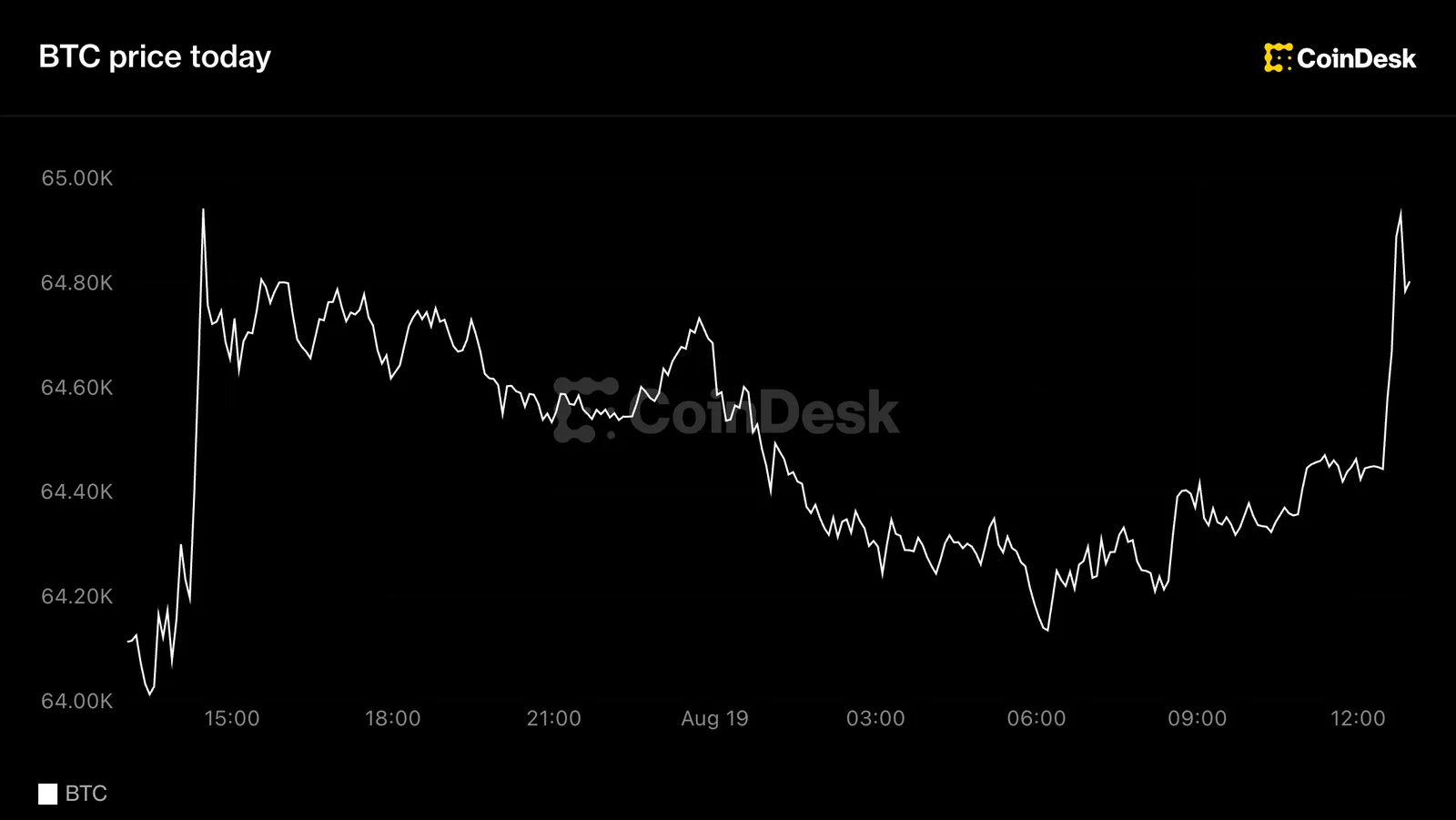
The Bitcoin Rally: Breaking Key Resistance
Bitcoin has officially reclaimed the $65,000 level, a psychological and technical milestone that has been a focal point for traders for several weeks. This sudden surge in value reflects renewed confidence in the digital asset market, as liquidity begins to flow back into high-risk assets.
The breakout comes at a critical moment for the entire crypto ecosystem. As Bitcoin leads the charge, altcoins are also seeing increased volatility, though the flagship cryptocurrency remains the primary driver of current market sentiment.
The Treasury Connection: Why Yields Matter
The surge in Bitcoin’s price is not happening in a vacuum. Recent developments in the U.S. Treasury market are playing a pivotal role in this market movement. Specifically, a recent downward trend in Treasury yields has created a more favorable environment for digital assets.
When government bond yields decline, it often suggests a shift in how institutional investors are allocating their capital. Lower yields can lead to a search for higher returns in alternative asset classes, such as cryptocurrencies, which are increasingly viewed as a hedge or a high-growth alternative to traditional fixed-income instruments.
Macroeconomic Drivers and Market Sentiment
Several factors are converging to fuel this current rally:
- Yield Fluctuations: As Treasury yields move lower, the opportunity cost of holding non-yielding assets like Bitcoin decreases.
- Institutional Adoption: The continuous integration of digital assets into traditional finance structures is providing a steady foundation for price stability.
- Market Liquidity: Shifts in monetary policy expectations are influencing how much capital flows into speculative markets.
As the market navigates these macroeconomic shifts, the interaction between traditional debt markets and the digital asset landscape will likely remain the most important factor to watch for investors in the coming months.