

The Changing Face of Crypto Volatility
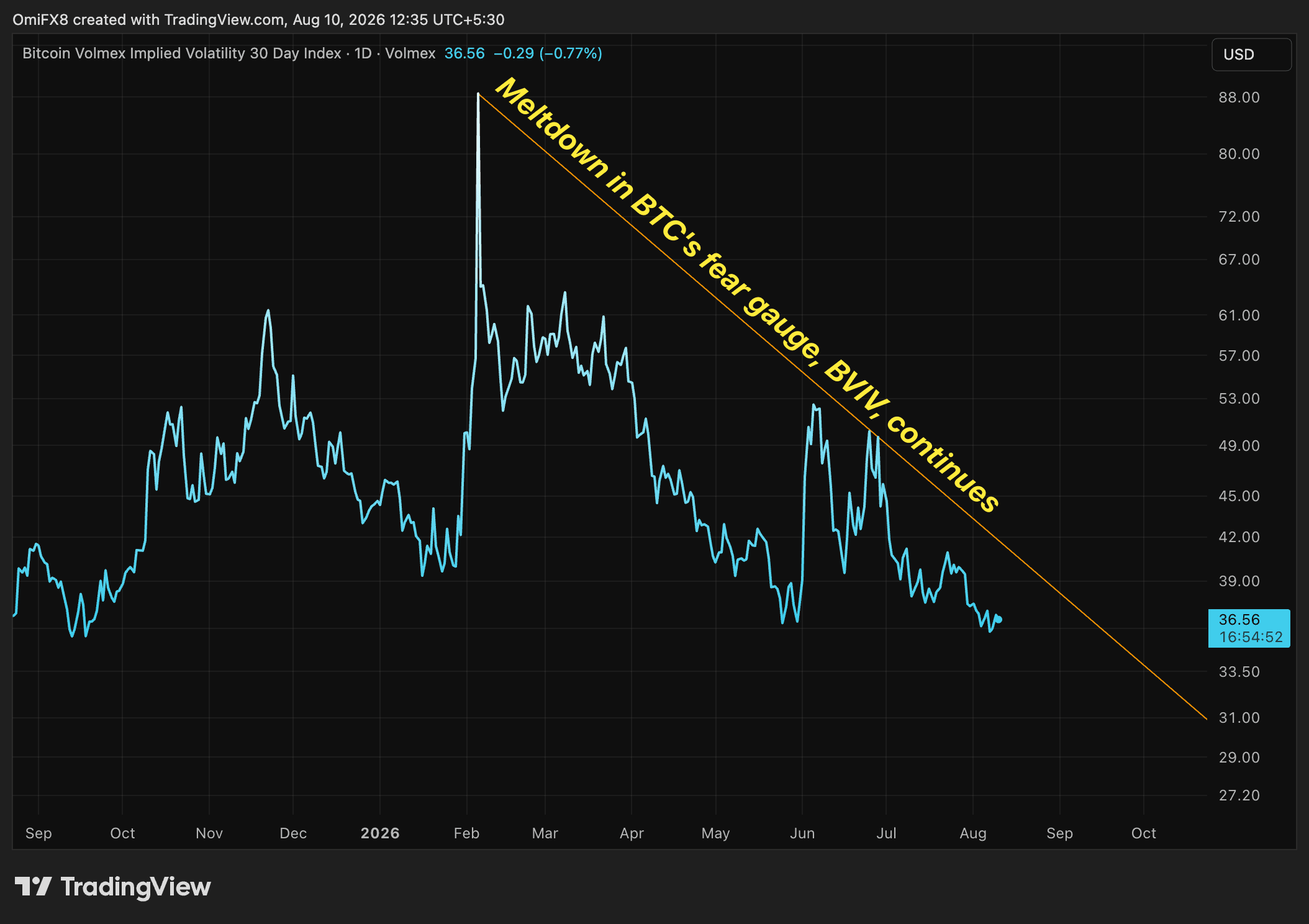
For years, Bitcoin has been synonymous with massive, unpredictable price swings. Investors became accustomed to double-digit percentage moves within a single day. However, recent market data suggests a shift in this dynamic. The era of constant, extreme volatility seems to be entering a period of relative calm, often described by analysts as a ‘meltdown’ of the previous chaotic trends.
This stabilization is largely attributed to increased institutional participation. As larger players enter the ecosystem through regulated vehicles and sophisticated trading desks, the market depth increases, which can act as a buffer against the wilder fluctuations seen in the early days of digital asset trading.
The Price of Safety: Why Hedging Still Costs a Premium
Despite the reduction in overall market turbulence, a significant challenge remains for both retail and institutional traders: the cost of downside protection. Even as volatility levels drop, the premium required to secure insurance against a sudden market crash remains elevated.
This phenomenon can be explained by several market mechanics:
- Skewness in Options Markets: Traders are often willing to pay a higher price for ‘put’ options (which protect against falling prices) than for ‘call’ options (which bet on rising prices). This imbalance keeps protection expensive.
- Tail Risk Concerns: Even in a relatively calm market, the fear of a ‘black swan’ event—a sudden, catastrophic price drop—remains high. This fear drives up the demand for insurance-like instruments.
- Liquidity Dynamics: While the market is deeper, the specific instruments used for hedging can still face liquidity constraints during periods of rapid price movement, forcing premiums upward.
What This Means for Investors
For the average investor, the current environment presents a paradox. On one hand, the market feels more predictable, potentially allowing for more strategic long-term positioning. On the other hand, the ‘cost of doing business’ via hedging is not decreasing in tandem with volatility.
Investors must decide whether to absorb the risk of potential downturns or pay the high premium for protection. In a market where volatility is lower but protection is expensive, the margin for error in active trading strategies becomes increasingly slim.