


Understanding the 500-Day Rule in Bitcoin Cycles
In the volatile world of digital assets, traders are constantly searching for signals that can cut through the noise. One of the most discussed metrics in recent years is the so-called ‘500-day rule.’ This concept suggests that Bitcoin’s price action follows a predictable pattern relative to its halving events and time-based cycles.
Historically, this rule has acted as a psychological and technical benchmark for many market participants. When the market aligns with these time-based metrics, it often triggers significant buying or selling pressure. However, as the Bitcoin market matures and institutional liquidity enters the fray, the reliability of such rules is being scrutinized more heavily than ever before.
The Current Market Tension
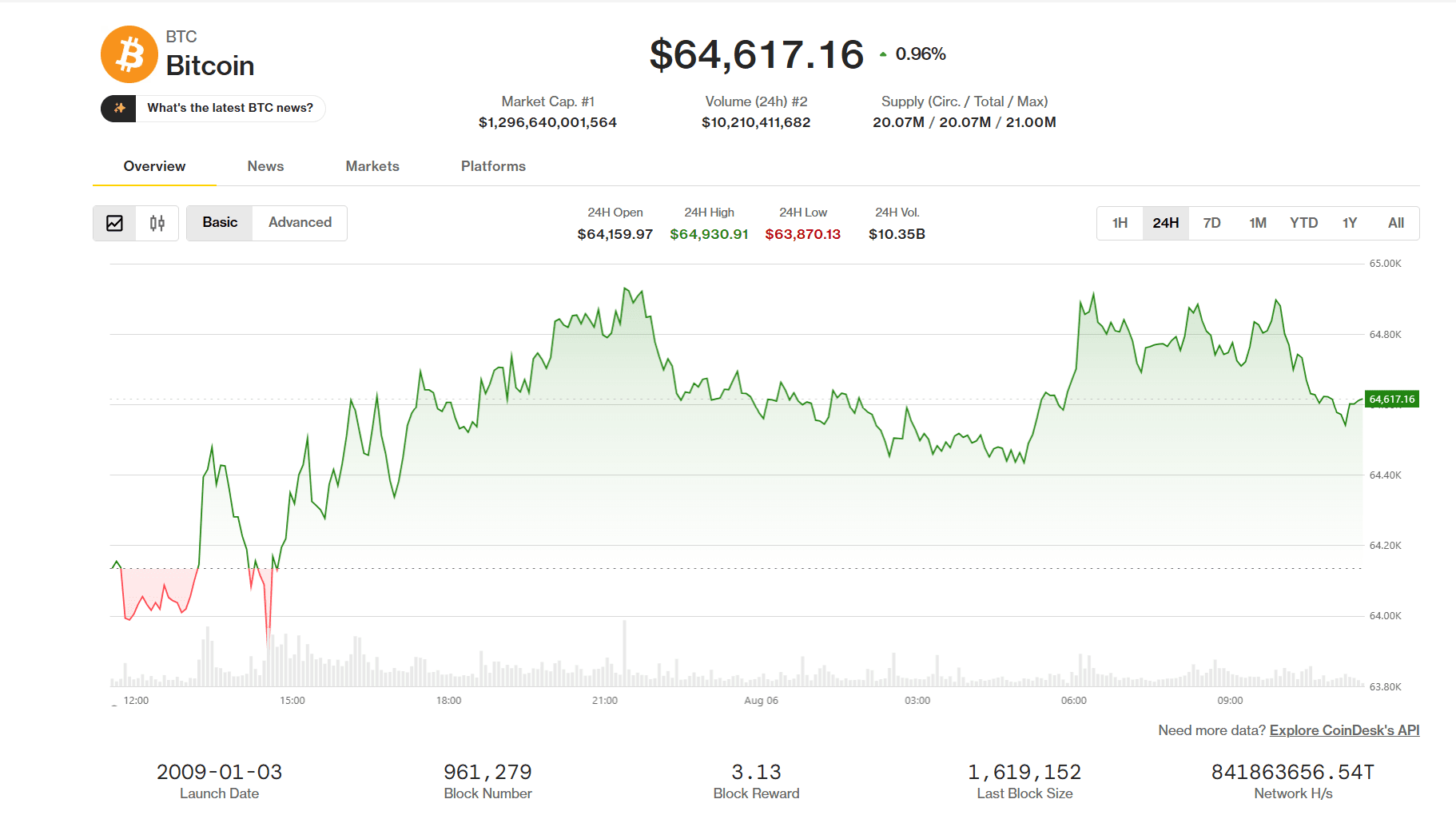
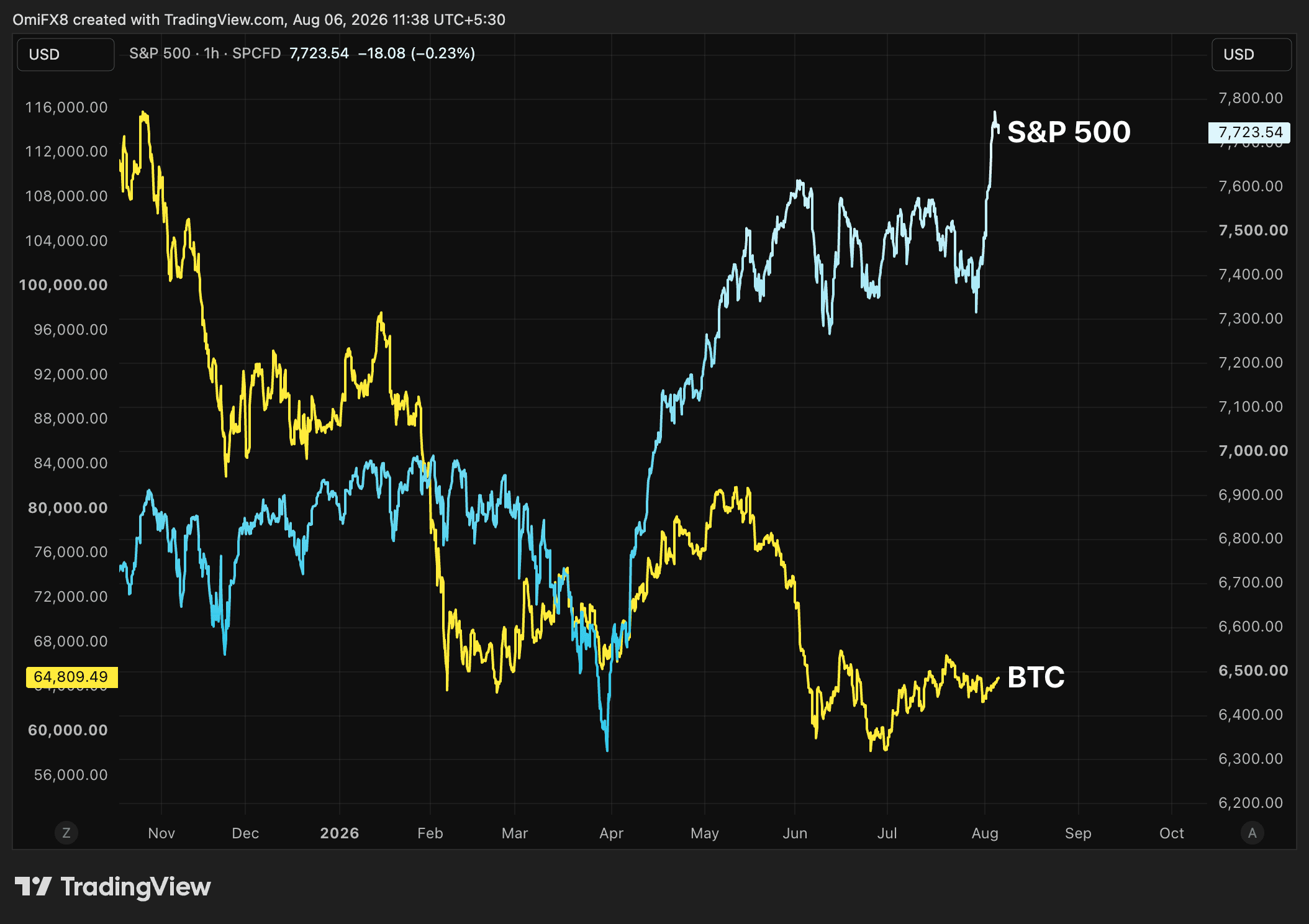
We are currently witnessing a period of intense market tension. For years, Bitcoin has moved in distinct, predictable cycles. But the recent landscape is different. The influx of spot ETFs and the increasing involvement of traditional finance institutions have introduced a new level of complexity to price discovery.
This shift means that historical patterns that worked during the retail-dominated era may not hold the same weight today. The ‘500-day rule’ is currently facing its most significant test because the underlying drivers of Bitcoin’s price—such as global liquidity, regulatory shifts, and institutional demand—are evolving faster than the historical data can account for.
Why the Pattern Might Break
There are several reasons why traditional cycle indicators might lose their predictive power:
- Institutional Dominance: Large-scale players operate on different timeframes and use different algorithmic strategies than retail traders.
- Macroeconomic Interplay: Bitcoin is increasingly being viewed as a macro asset, reacting to interest rate decisions and global inflation data.
- Market Maturity: As the market cap grows, the sheer amount of capital required to move the price changes the volatility profile of the asset.
What This Means for Investors
For the average investor, the challenge lies in distinguishing between a true trend reversal and a temporary deviation from a historical pattern. Relying solely on a single rule, like the 500-day metric, can be a dangerous strategy in a market that is rapidly evolving. Instead, a multi-faceted approach—combining technical indicators with an understanding of macroeconomic trends—remains the most robust way to navigate the current crypto landscape.