

A Measured Approach to Monetary Easing
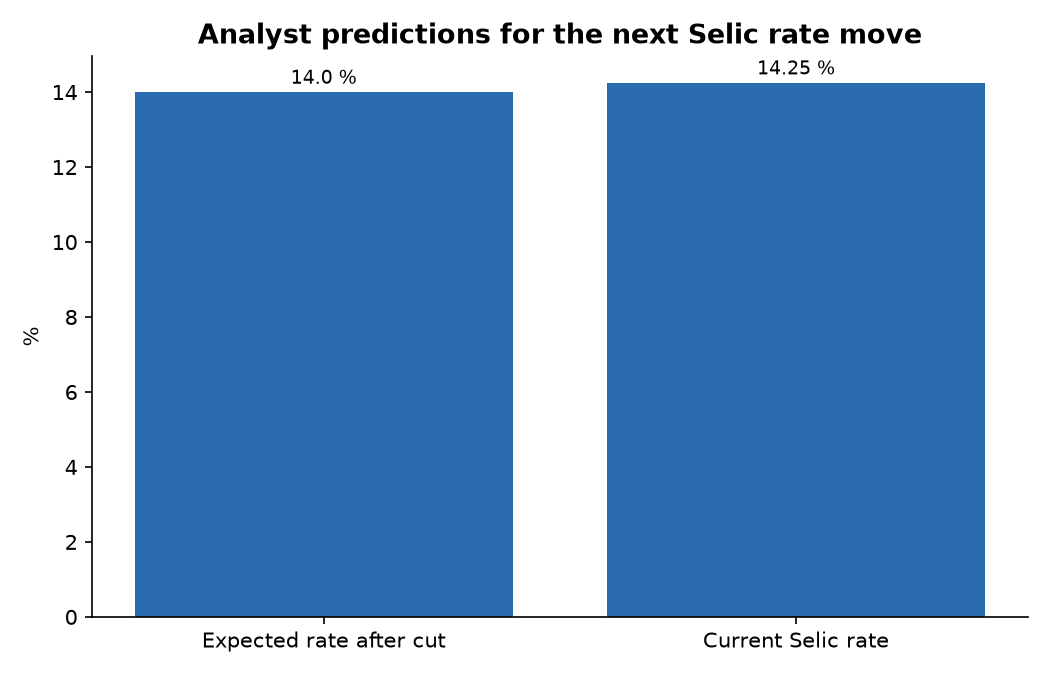
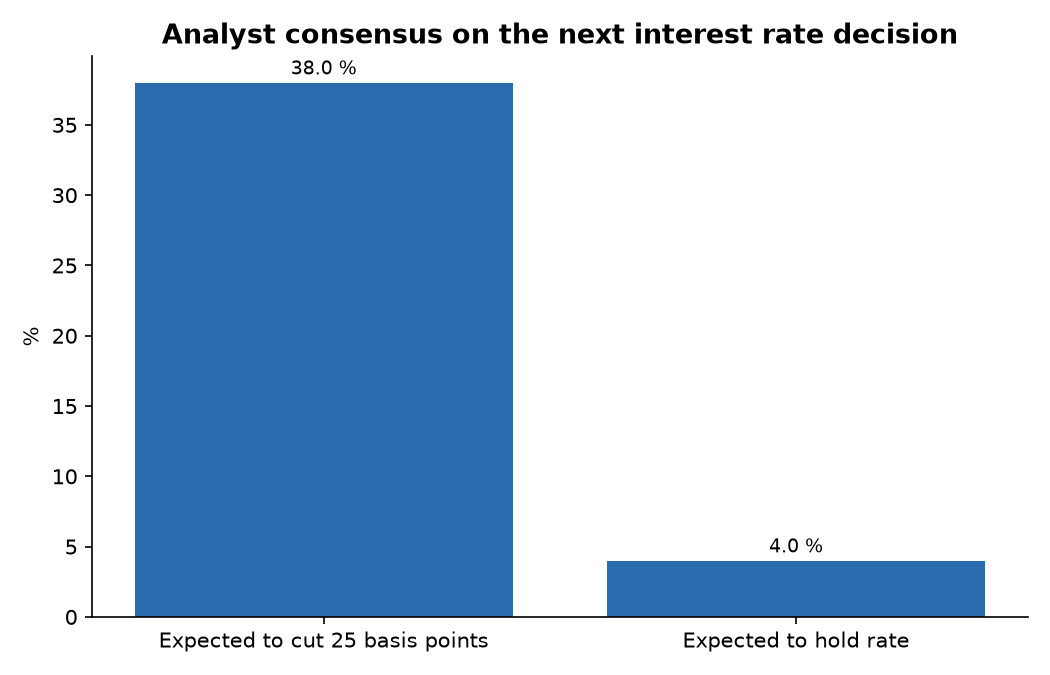
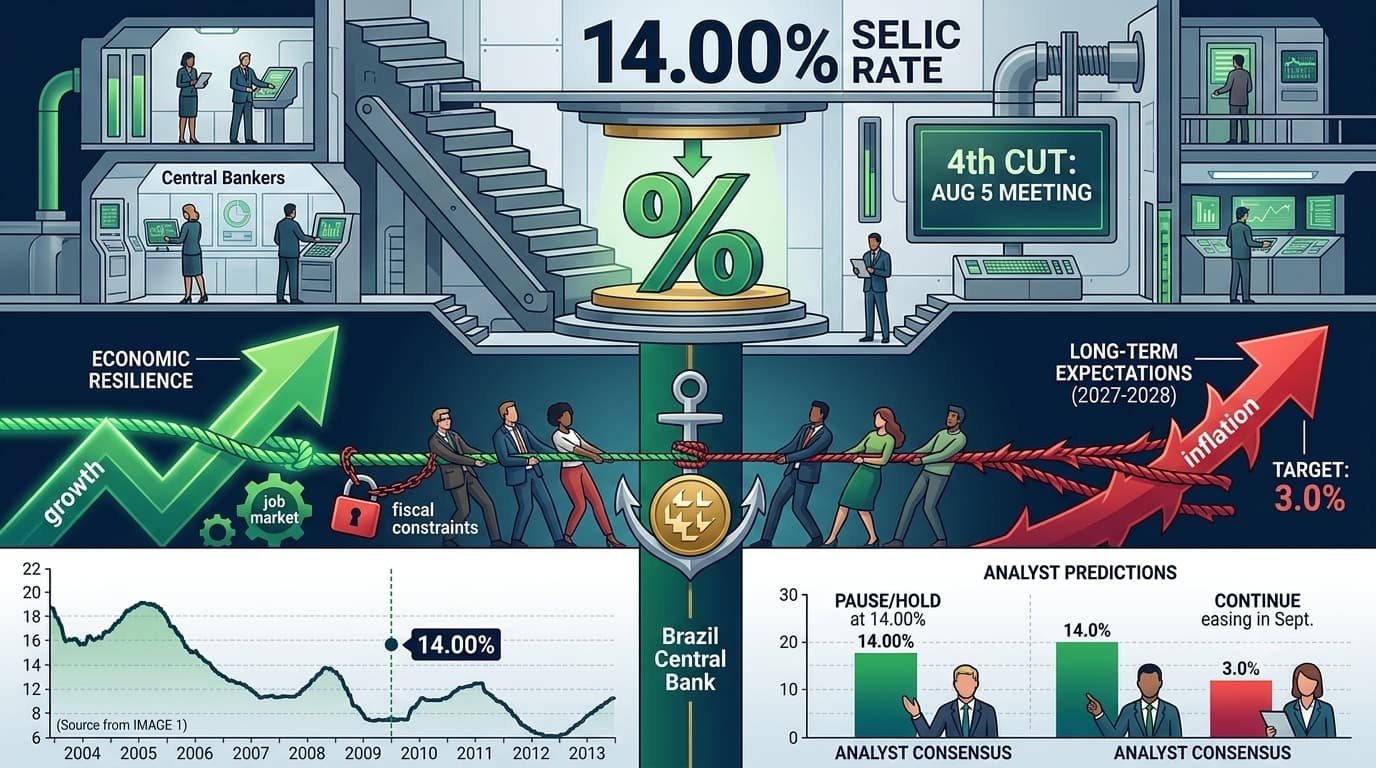
As Brazil’s monetary policy committee prepares for its upcoming meeting on August 5, market consensus points toward a continuation of the current easing cycle. Financial experts suggest that the central bank is likely to implement a quarter-point reduction, bringing the benchmark Selic rate down to 14.00%.
This decision would mark the fourth consecutive meeting where interest rates are lowered. This cautious, incremental strategy highlights the delicate balancing act required by policymakers: stimulating a modest economy while ensuring that inflation does not spiral out of control.
The Tug-of-War Between Growth and Inflation
The central bank’s path is complicated by several macroeconomic headwinds. While the economy shows signs of moderating growth, several factors are preventing a more aggressive reduction in rates:
- Persistent Inflationary Pressures: Inflation expectations for long-term horizons (2027-2028) remain unanchored and above the official 3.0% target.
- Fiscal Constraints: High borrowing costs limit the government’s fiscal flexibility, creating a challenging environment for both monetary and fiscal policy coordination.
- Economic Resilience: A robust labor market and resilient economic activity suggest that the impact of previous rate hikes is still being absorbed.
Future Outlook and Market Expectations
While a cut is widely expected this week, the roadmap for the remainder of the year remains uncertain. Some analysts anticipate that the bank will maintain the 14.00% rate for an extended period, potentially until early 2027, to ensure price stability is firmly established.
However, a significant portion of market observers believes the easing cycle could continue into September. The decision to move forward or pause will depend heavily on upcoming economic data and the ability of the central bank to manage expectations regarding long-term inflation trends.