

The Flaw in Digital Detox Apps
Most attempts to reduce screen time rely on software-based timers and notifications. While these tools are well-intentioned, they suffer from a fundamental flaw: they are too easy to ignore. When a notification pops up to remind you to stop scrolling, the path of least resistance is simply to tap ‘ignore’ and continue the loop.
To solve this, a new device called the Autonomous Key introduces a physical dimension to digital discipline. By moving the barrier from a digital button to a tangible object, the friction required to access distracting content becomes much higher.
How Physical Friction Changes Behavior
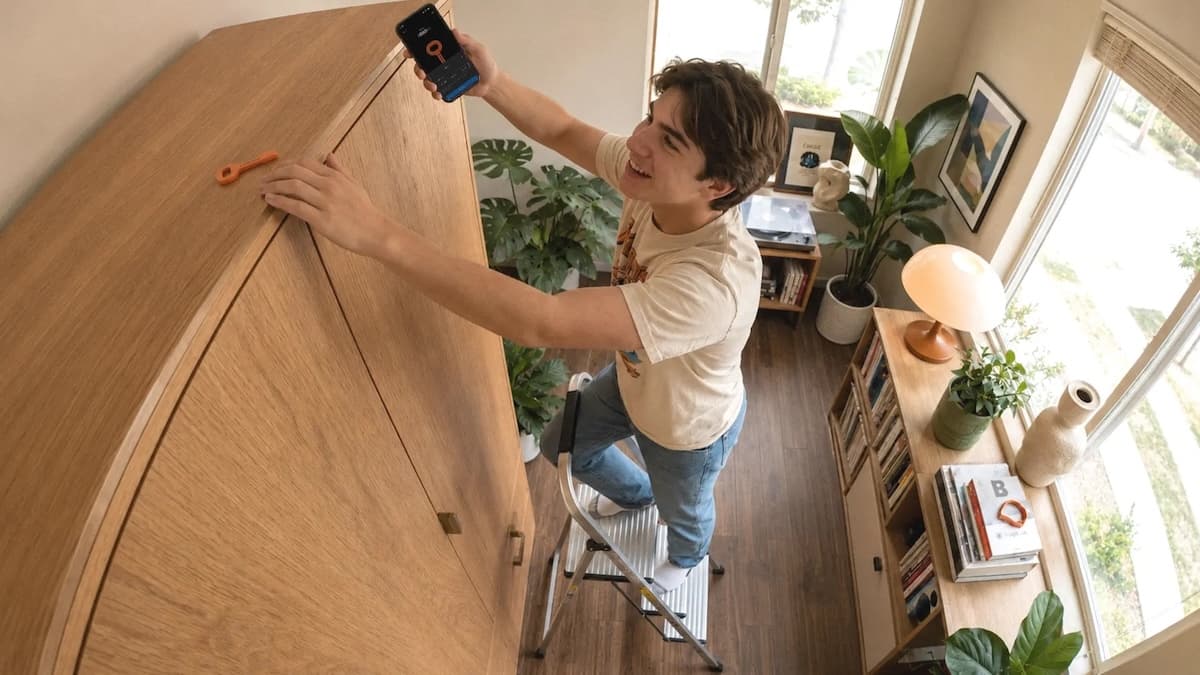
The concept is straightforward but effective. Using NFC technology, the device pairs with a smartphone app to lock away specific, addictive applications. To regain access, the user must physically scan the key with their phone. This small act of effort turns a mindless, impulsive habit into a conscious, deliberate decision.
The system allows for controlled sessions. Once unlocked, apps remain accessible for a set duration—up to 60 minutes—before the device automatically locks them again. For maximum effectiveness, users can leave the key in a different room, forcing them to physically move to break their digital trance.
Smart Insights and AI Integration
Beyond the hardware, the companion app leverages artificial intelligence to provide a deeper understanding of usage patterns. It tracks:
- Frequency of app unlocks
- Total time spent on restricted apps
- Peak usage times throughout the day
In a unique twist, the AI provides feedback with a distinctive, sassy personality, offering humorous critiques of users who fail to maintain their digital boundaries.
A Budget-Friendly Alternative
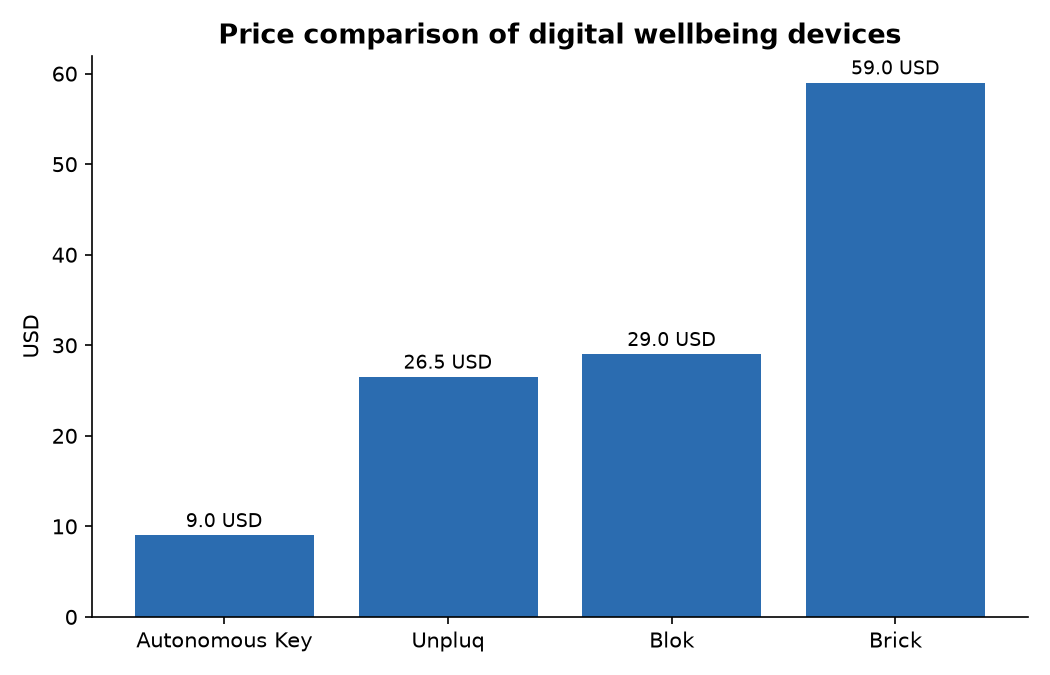
The market for digital wellbeing tools has seen various premium offerings, often with high price points. This new NFC solution enters the market as a highly disruptive, low-cost option, making digital discipline accessible to a wider audience without the burden of monthly subscriptions.
| Device Name | Price (USD) | |
|---|---|---|
| Autonomous Key | 9 | |
| Unpluq | 26.50 | |
| Blok | 29 | |
| Brick | 59 |
Considerations and Limitations
While the concept is revolutionary, there are practical nuances to consider. During early testing, the NFC scanning process could occasionally be finicky, requiring multiple attempts to register. This makes it less suitable for critical communication tools like email or messaging that require immediate access.
Security and recovery are also vital. Currently, if the key is lost while apps are locked, users must uninstall and reinstall the app to regain access. However, developers are already working on a more seamless backup unlock method to improve the user experience in future updates.
Conclusion
The Autonomous Key represents a shift in how we approach digital wellness—moving away from software prompts and toward physical accountability. For a nominal fee, it offers a way to reclaim attention from the algorithms designed to capture it.