


The Massive Wipeout of Bearish Positions
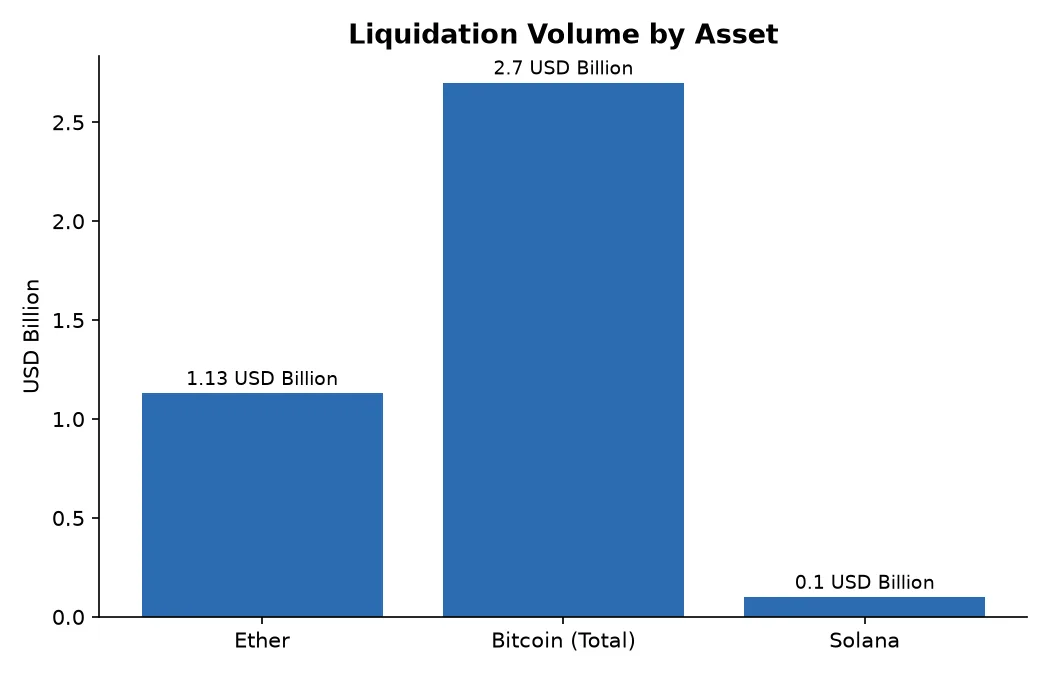
The cryptocurrency market witnessed a dramatic reversal this week as Bitcoin‘s rapid ascent caught short sellers off guard. As the leading digital asset climbed toward and eventually surpassed the $71,000 threshold, a massive wave of liquidations swept through the markets, totaling nearly $3 billion.
This event was overwhelmingly one-sided. Recent market data indicates that short positions accounted for approximately 92% of the total liquidations, leaving only $257 million in losses for those betting on a price increase. This staggering ratio highlights how heavily traders were positioned against the current upward momentum.
Understanding the Short Squeeze Mechanics
A « short squeeze » occurs when rising prices force traders who have bet against an asset to close their positions. In leveraged trading, if the price moves too far against a trader, the exchange forcefully closes their position to prevent further losses—a process known as liquidation. This forced buying to close short positions adds even more upward pressure on the price, creating a feedback loop.
The intensity of this recent move was unprecedented in its speed. In a single hour, over $1 billion in Bitcoin short positions were wiped out. The volatility was not limited to Bitcoin alone; the broader ecosystem felt the impact, with Ether liquidations reaching $1.13 billion and Solana seeing roughly $104.67 million in forced closures.
Historical Context and Market Volatility
While the total liquidation volume of $3 billion is massive, it follows a pattern of extreme volatility seen in previous market cycles. For instance, during a major market crash in late 2025, total liquidations hit a staggering $19 billion in a single day, with short liquidations making up a significant portion of that total.
However, what makes this current event unique is the lack of « long » carnage. Unlike previous crashes where both bulls and bears were wiped out, this movement was a concentrated strike against those betting on a downturn. This suggests that the market sentiment was heavily skewed toward the downside just before the breakout.
What to Watch Next: Sustainability of the Rally
As Bitcoin stabilizes above the $71,000 level, investors should remain cautious. While the short squeeze provided a powerful engine for the price jump, much of this move was driven by forced buying rather than organic, fresh demand. Historically, markets that rise due to massive liquidations often experience a period of cooling off or slight retracement once the forced buying pressure subsides.
The key technical level to monitor is whether Bitcoin can maintain its footing above $71,000. If it holds, it could signal a new phase of bullish momentum; if not, the market may see a correction as traders digest the recent volatility.