


The Divergence Between Price and Speculation
A strange phenomenon is unfolding in the cryptocurrency markets. While most major assets have seen varying degrees of recovery, Dogecoin (DOGE) has struggled significantly, losing nearly 70% of its value over the past year. However, looking strictly at trading volume and speculative interest, the market looks remarkably different from its recent price action.
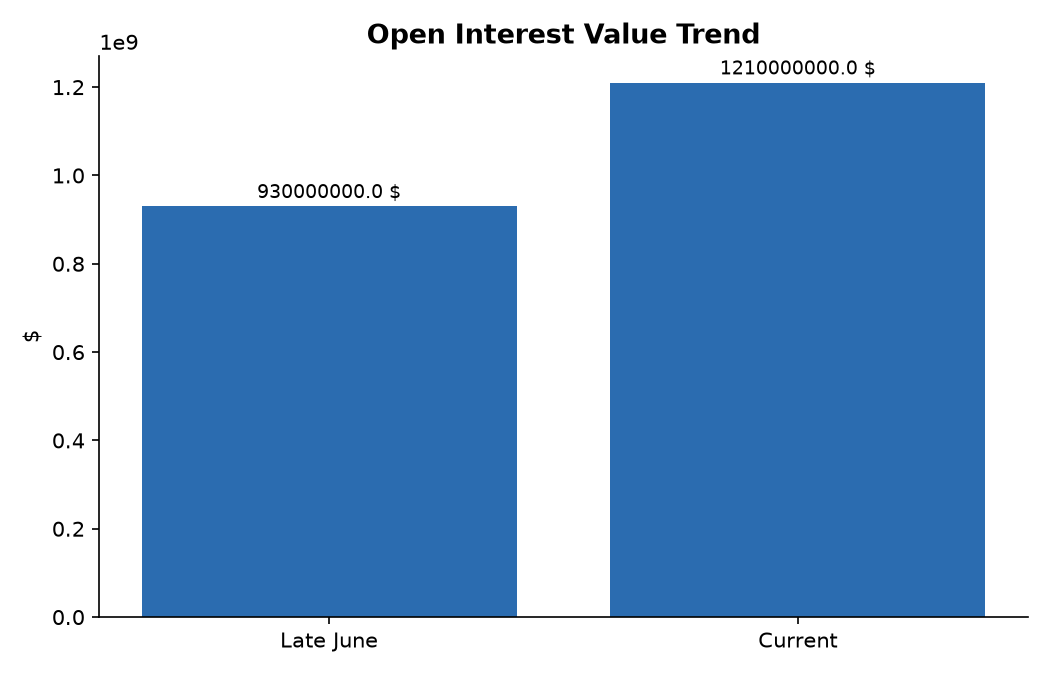
Despite trading near the 7-cent mark—a fraction of its previous value—the total value of outstanding futures contracts, known as open interest, has climbed significantly. Recent data shows this value has risen from approximately $930 million in late June to roughly $1.21 billion recently.
The Hidden Scale of the Market
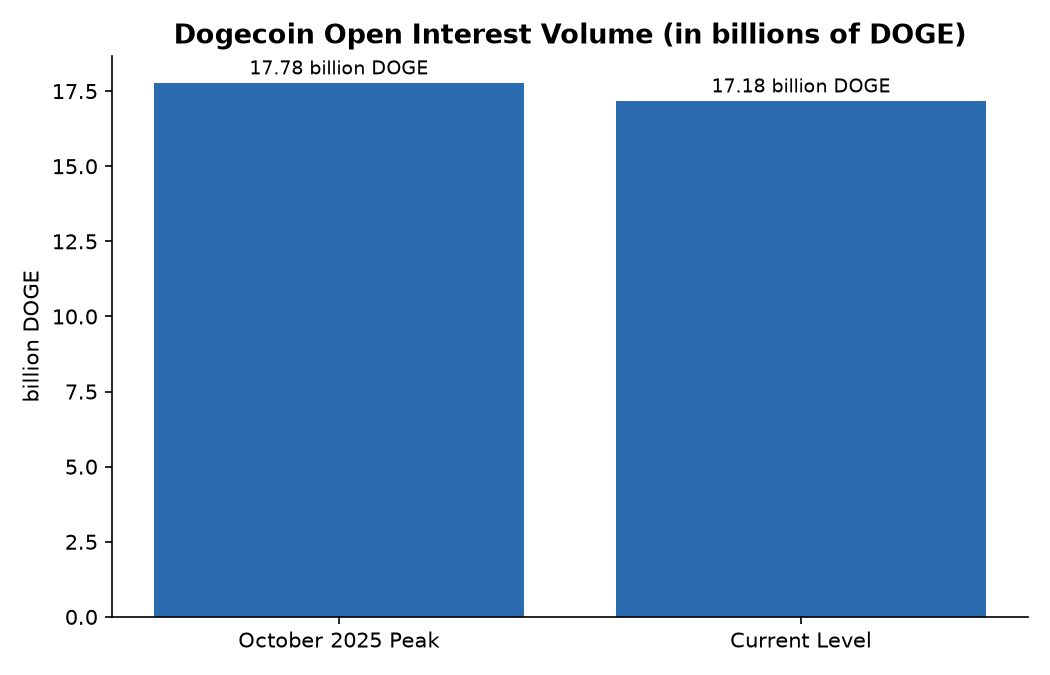
To truly understand the scale of this speculative buildup, one must look at the number of coins involved rather than just the dollar value. Even though the price of each coin has dropped to less than a third of its former value, the total amount of DOGE held in open interest has climbed back to 17.18 billion coins. This brings the volume almost level with the peak seen in late 2025, when the token was trading at much higher valuations.
This surge in open interest indicates that new leverage is entering the market. Traders are using borrowed funds to take much larger positions than their initial capital would allow, betting on the future direction of the meme-coin.
Bullish Sentiment vs. Downward Pressure
While rising open interest doesn’t explicitly state whether traders are betting on a rise or a fall, the current sentiment appears decidedly optimistic. On major trading platforms, the ratio of long positions (bets on price increases) to short positions (bets on price decreases) is heavily skewed toward the bulls:
- On one prominent exchange, long positions outnumber short positions by more than three to one.
- On another major platform, the bullish sentiment is even more pronounced, with a ratio exceeding five to one.
This creates a potentially volatile situation. If the price continues its downward slide, these highly leveraged long positions could face liquidation. When a trader’s collateral is insufficient to cover their bet, exchanges automatically close the position by selling the asset into the market. A sudden wave of these forced liquidations can trigger a « cascading effect, » adding intense selling pressure to an already declining market.