


The Pitfall of ‘Copy-Paste’ Tax Payments
A common mistake among entrepreneurs and small business owners is simply duplicating the previous quarter’s estimated payment. While this might seem efficient, it assumes your business performance has remained static since the spring. In reality, a surge in sales, unexpected capital gains, or significant asset purchases can drastically shift your tax liability.
By relying on outdated figures from earlier in the year, you risk two major issues:
- Underpayment: Leading to potential penalties from tax authorities.
- Overpayment: Leaving your capital tied up in tax accounts when it could be working for your business.
Leveraging the ‘Safe Harbor’ Rule
To avoid penalties, you don’t necessarily need to predict your exact income for the year. Most taxpayers aim for the ‘afe harbor’—a set threshold that protects you from underpayment penalties even if your actual income ends up being much higher.
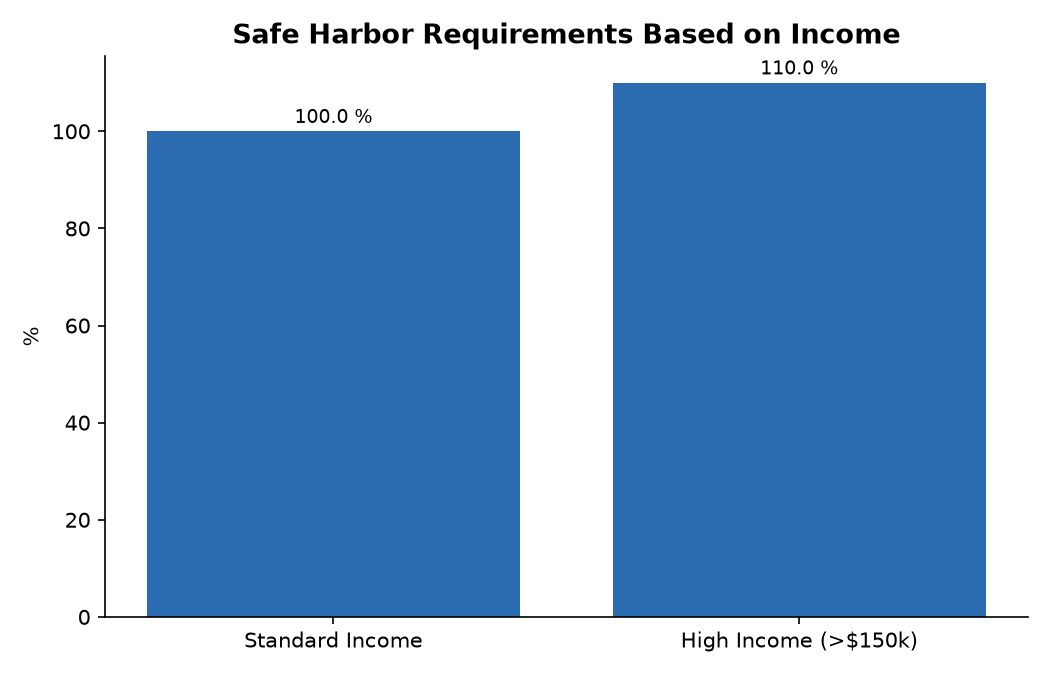
Generally, you can stay protected by paying a specific percentage of your previous year’s total tax. For most, this is 100% of the prior year’s tax. However, if your adjusted gross income exceeded a certain threshold, that requirement increases to 110%.
Tax Protection Thresholds
| Income Level | Required Prior-Year Payment % |
|---|---|
| Standard | 100% |
| High Income (>$150,000) | 110% |
Strategic Adjustments Before the Deadline
The September deadline is not just a payment date; it is a critical planning checkpoint. Reviewing your actual income through August allows you to make informed decisions before the year concludes. If you find a shortfall, you have several levers to pull:
- Adjusting W-2 Withholding: For those with salaried income, increasing withholding can act as a catch-up mechanism. Unlike estimated payments, which apply only to the quarter they are made, withholding is treated as being spread evenly across the entire year.
- Annualized Income Method: If your business is seasonal, you may be able to use the annualized income installment method. This allows you to match your tax payments to when the income was actually earned, preventing you from being penalized for high earnings that occur late in the year.
Preparing for Year-End Decisions
A thorough review in early September provides the visibility needed to optimize your year-end strategy. Knowing where your income is likely to land allows you to time major business purchases, adjust executive compensation, or accelerate retirement plan contributions to maximize deductions. Don’t wait until mid-September; start the conversation with your financial advisor now to ensure your strategy is proactive rather than reactive.