


A Shift in Network Dynamics
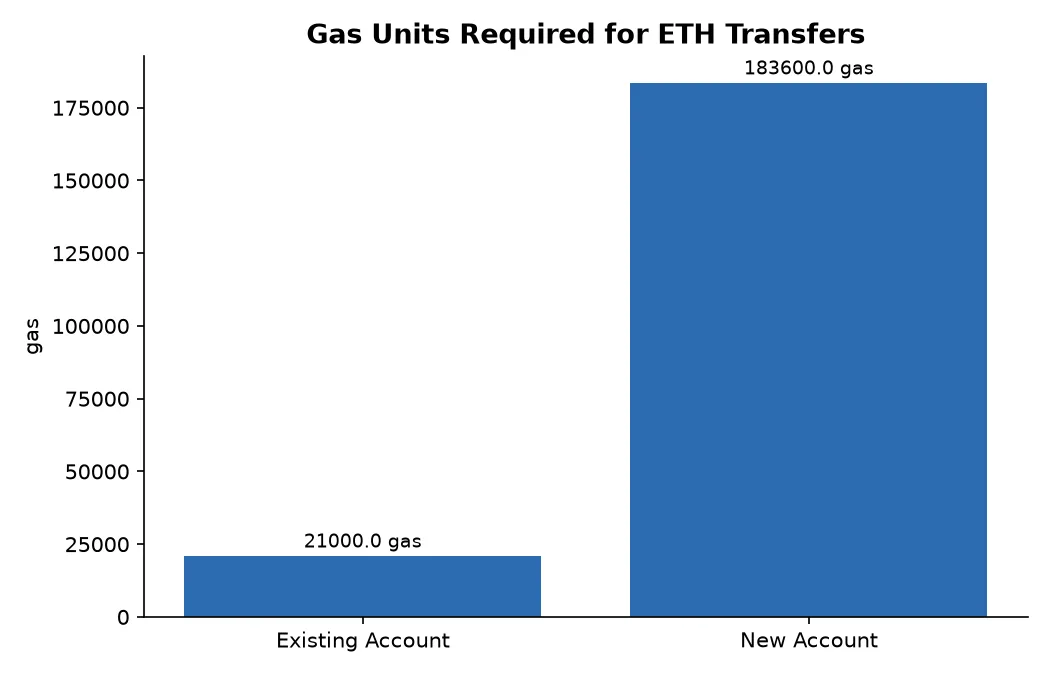
For years, a fundamental rule of thumb has guided the Ethereum ecosystem: a standard transfer of Ether (ETH) was expected to cost exactly 21,000 gas units. This predictable cost allowed wallet developers, blockchain explorers, and fee calculators to function with a high degree of certainty. However, an upcoming major network upgrade is set to dismantle this assumption, introducing a more nuanced pricing model based on the actual computational work required.
Why the Change is Necessary
The evolution of the network stems from a need for more accurate resource allocation. Currently, the network treats all transfers equally, regardless of whether the recipient is a long-standing user or a brand-new entity. The technical reality, however, is that creating a new account requires significantly more effort from the network’s computers. These machines must not only process the transaction but also permanently store a new record in the blockchain’s state.
To address this, the upcoming protocol update introduces a new category known as ‘tate gas.’ This ensures that the network is fairly compensated for the long-term storage and computational overhead required to bring new addresses onto the blockchain.
Impact on the Ecosystem
The implications of this change are primarily technical rather than consumer-facing. For the average user sending ETH, the experience will remain largely unchanged, provided the tools they use are up to date. The real burden falls on software developers and service providers. If wallet providers or transaction trackers continue to rely on the outdated 21,000 gas ceiling, they risk rejecting valid transactions or providing inaccurate fee quotes.
- Wallet Developers: Must update software to account for variable gas costs for new addresses.
- Blockchain Services: Must adjust transaction sorting and fee estimation algorithms.
- Fee Calculators: Need to incorporate the new ‘tate gas’ metric to provide accurate user guidance.
Testing and Deployment Phases
To ensure a smooth transition, the technical community is following a rigorous testing roadmap. The new logic will first be implemented on a private practice network, allowing developers to test for potential bugs in a controlled environment without any real financial risk. Following this successful trial, the update will move to public testnets before finally being deployed to the main Ethereum network.
This phased approach is designed to prevent the very issues—such as failed payments or incorrect fee estimations—that the upgrade aims to solve, ensuring the transition to the new gas model is seamless for the global crypto economy.