


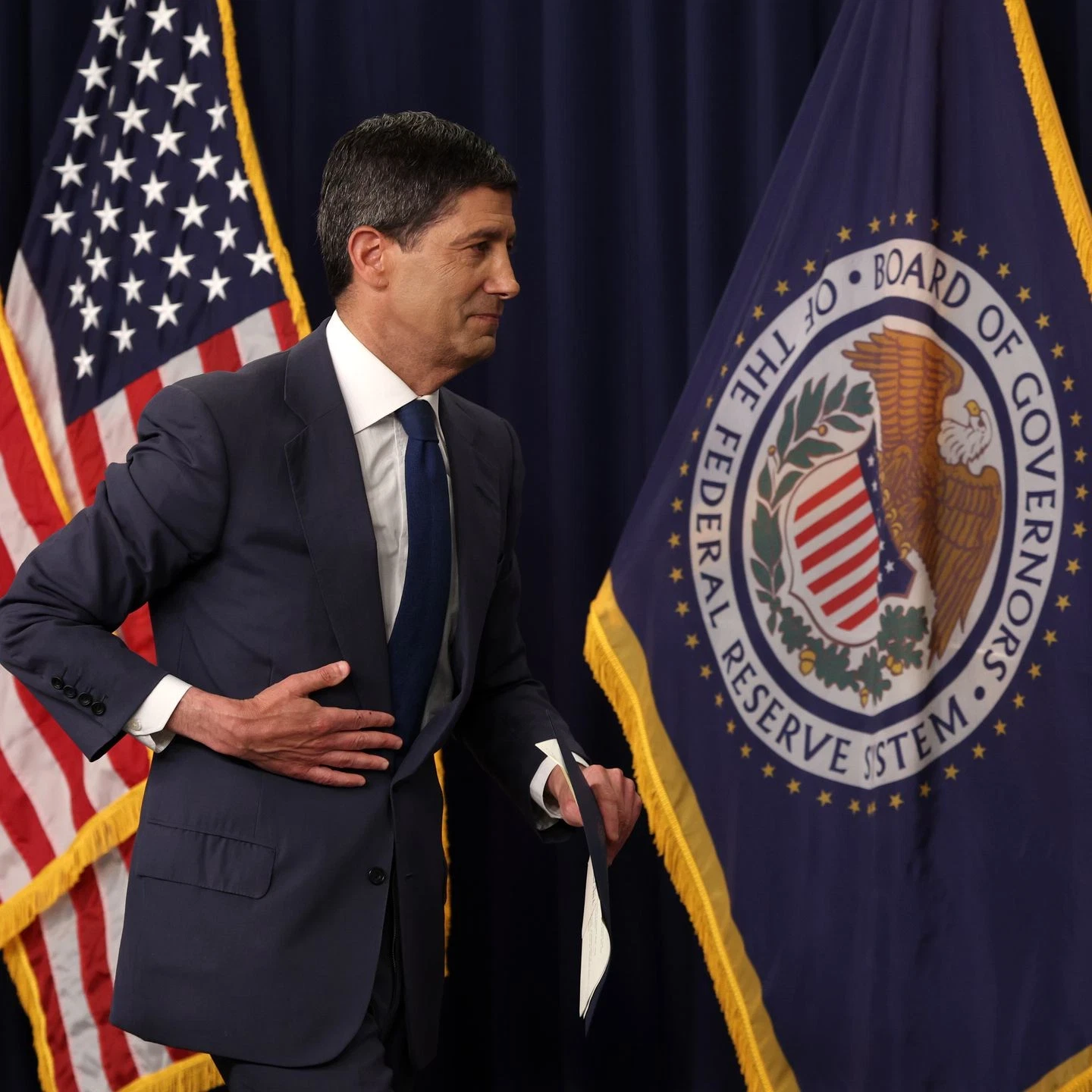
A Divided Committee: The ‘Family Fight’ at the Fed
The latest Federal Open Market Committee (FOMC) meeting has concluded with a result that underscores the growing complexity of the current economic landscape. While the central bank opted to hold interest rates steady, the decision was far from unanimous. Federal Reserve Chairman Kevin Warsh described the intense deliberations as a ‘good family fight,’ highlighting the deep-seated disagreements regarding the future of U.S. monetary policy.
The vote split 9-3, with three officials breaking ranks to advocate for a 25-basis-point interest rate hike. This dissent signals a growing concern among some central bankers that the current policy stance may be too dovish to effectively curb stubborn inflationary pressures.
Market Reaction: Wall Street Reacts to Uncertainty
The ambiguity surrounding the Fed’s next move has left investors on edge. Following the announcement, the markets reacted with significant volatility:
- Equity Markets: The Dow Jones Industrial Average experienced a massive decline, plummeting by 1,153 points as investor confidence wavered.
- Bond Markets: Treasury yields saw a sharp upward movement, with the 30-year Treasury yield climbing to its highest level since 2007.
This surge in long-term yields reflects a growing fear that the Federal Reserve might be falling behind the curve, failing to act aggressively enough to stabilize prices and prevent inflation from becoming entrenched.
What This Means for the Economy
The Federal Reserve’s decision to pause is a delicate balancing act. On one hand, officials want to avoid over-tightening and causing an unnecessary recession. On the other hand, the rising Treasury yields and market volatility suggest that the ‘wait and see’ approach is being met with skepticism by the financial sector.
As inflation remains a stubborn obstacle, the upcoming meetings will be critical. The divergence in voting patterns suggests that the path toward normalizing interest rates will be anything but smooth, with policymakers potentially split between fighting inflation and supporting economic growth.
This article is based on reporting from CNN Business.


