

The Tension Between Tech Rallies and Inflation Anxiety
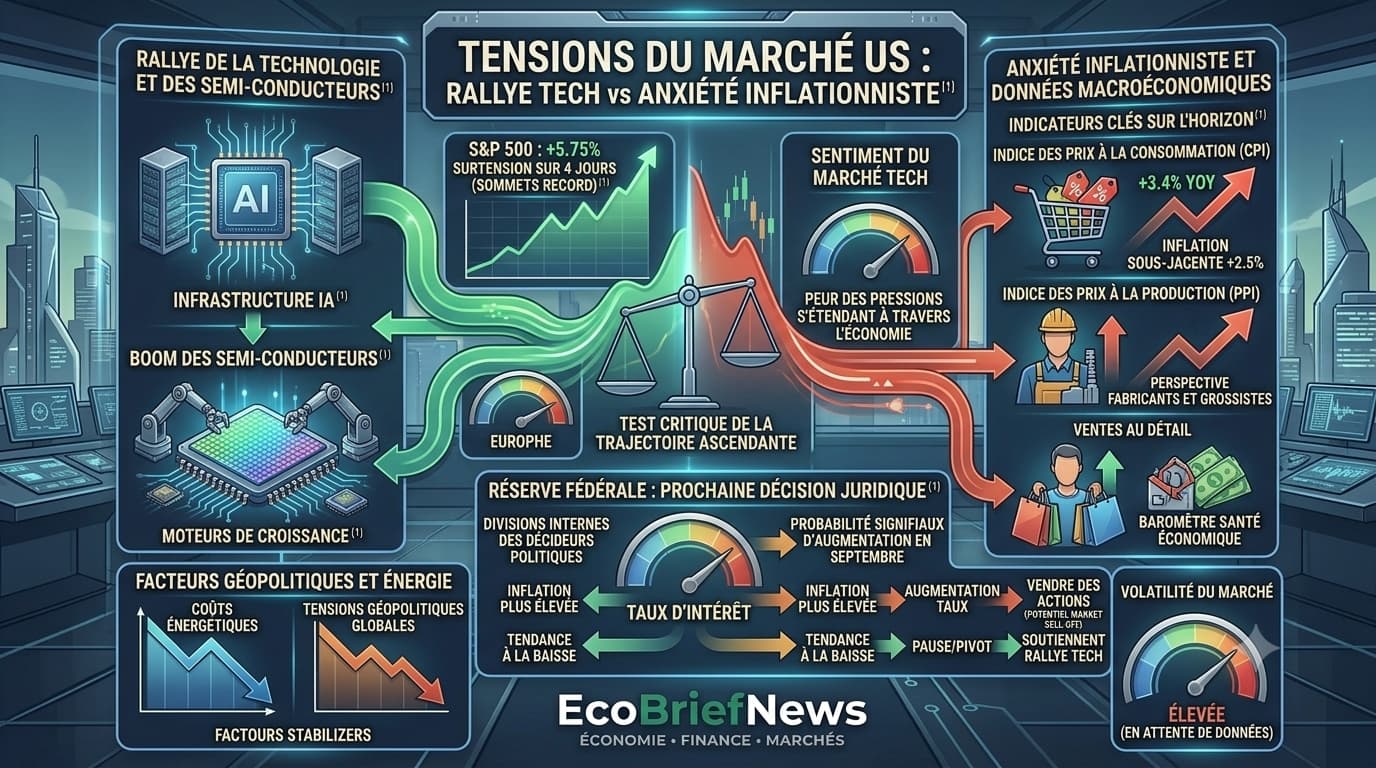
The U.S. stock market has recently experienced a significant resurgence, reaching record peaks fueled largely by a massive rally in the technology and semiconductor sectors. This momentum has seen benchmark indices like the S&P 500 post substantial gains, with recent four-day surges reaching as high as 5.75%. However, this upward trajectory is facing a critical test as investors turn their attention toward fresh macroeconomic data.
The primary source of market anxiety remains inflation. Despite recent cooling in energy prices and a stabilization in global tensions, the fear that price pressures might persist remains high. This uncertainty is creating a volatile environment where even small deviations in economic reports can trigger significant market movements.
Key Economic Indicators on the Horizon
Next week, several high-stakes reports will provide a clearer picture of the US economic landscape:
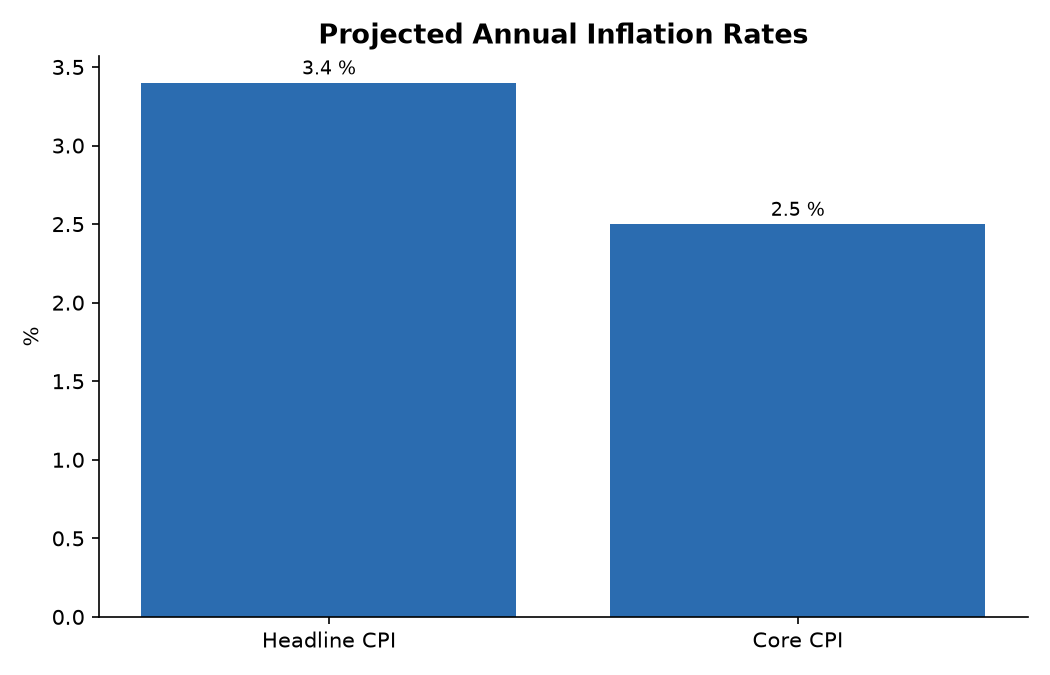
- Consumer Price Index (CPI): This highly anticipated report will measure the change in prices paid by consumers. Economists are currently eyeing a year-over-year increase of approximately 3.4%, while core inflation—which excludes volatile food and energy costs—is expected to rise by 2.5%.
- Producer Price Index (PPI): Following the CPI, this data will offer insights into inflation from the perspective of manufacturers and wholesalers.
- Retail Sales: Scheduled for later in the week, this metric will serve as a vital barometer for consumer spending and overall economic health.
The Federal Reserve’s Next Move
The data released next week will directly influence the Federal Reserve’s interest rate trajectory. While the central bank recently held rates steady, internal divisions among policymakers suggest that the possibility of a rate hike remains on the table. Currently, market participants are pricing in a significant probability of an interest rate increase at the next meeting in September.
If inflation data comes in higher than anticipated, it could force the Fed’s hand, potentially leading to a market sell-off. Conversely, a continued downward trend in inflation might provide the necessary breathing room for the Fed to pause or pivot, potentially sustaining the current equity rally.
The Semiconductor and AI Factor
Beyond macro data, the tech sector remains a primary driver of market volatility. While the semiconductor industry has benefited immensely from the global push toward AI infrastructure, the sector has seen extreme swings recently. Investors are watching closely to see if the recent surge in AI-related spending can provide a stable foundation for long-term growth or if the sector is due for further corrections.