

The Rise of Institutional Ownership in Ethereum
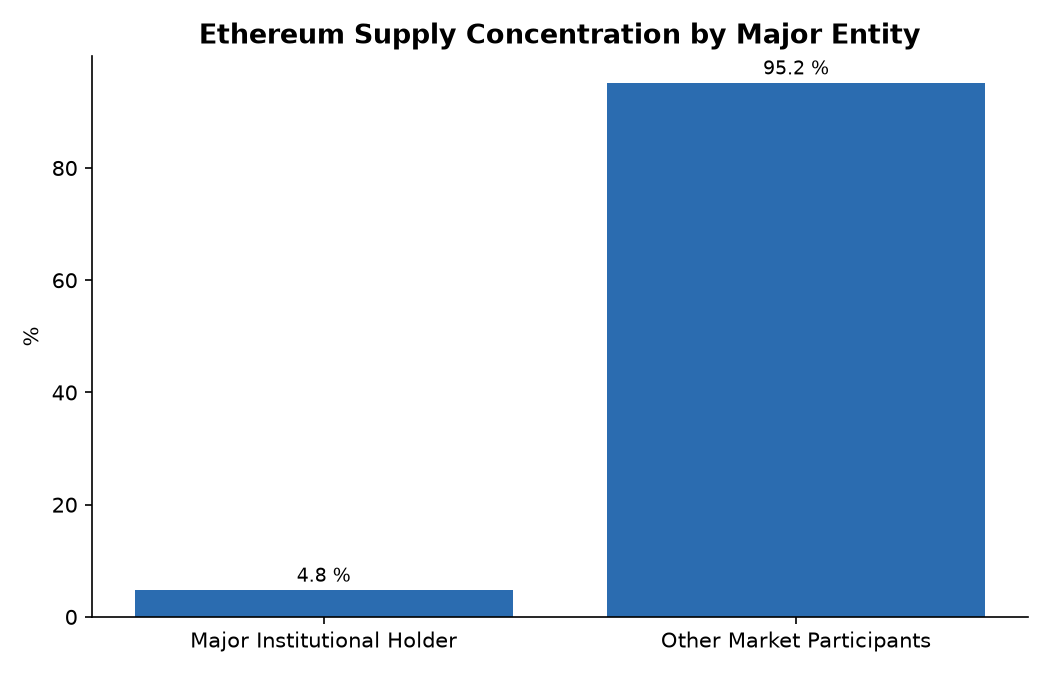
As the digital asset market matures, the way major players interact with blockchain networks is evolving. We are seeing a shift from purely retail-driven trading toward a more structured, institutional approach to asset accumulation. This transition is particularly evident in the Ethereum ecosystem, where large-scale entities are securing significant portions of the circulating supply.
When a single institutional entity holds a substantial percentage of a network’s total supply, it introduces new layers of liquidity and market stability, but also raises questions about centralization and governance. For investors, this trend signals a growing confidence in the long-term viability of smart contract platforms.
Why Large-Scale Accumulation Matters
The strategic acquisition of Ethereum by prominent market participants serves several key functions:
- Market Confidence: Large buys often act as a psychological signal to the broader market, suggesting that industry leaders see intrinsic value in the network’s utility.
- Liquidity Provision: Increased institutional involvement often leads to deeper liquidity pools, potentially reducing slippage for large trades.
- Network Maturity: As institutional capital flows into decentralized protocols, the ecosystem moves closer to mainstream financial integration.
Shifting Supply Dynamics
The concentration of supply among a few large holders can impact how the asset reacts to market volatility. As more tokens are moved from active trading into long-term institutional vaults, the available ‘liquid supply’ on exchanges may decrease. This reduction in exchange-based supply, combined with consistent demand, is a primary driver behind many of the market cycles observed in recent years.
For the average participant, understanding these large-scale movements is essential for navigating the complexities of the modern crypto economy. While retail investors focus on short-term price action, the real structural shifts are often driven by these massive, strategic reallocations of capital.