


Rising Confidence Amid Geopolitical Shifts
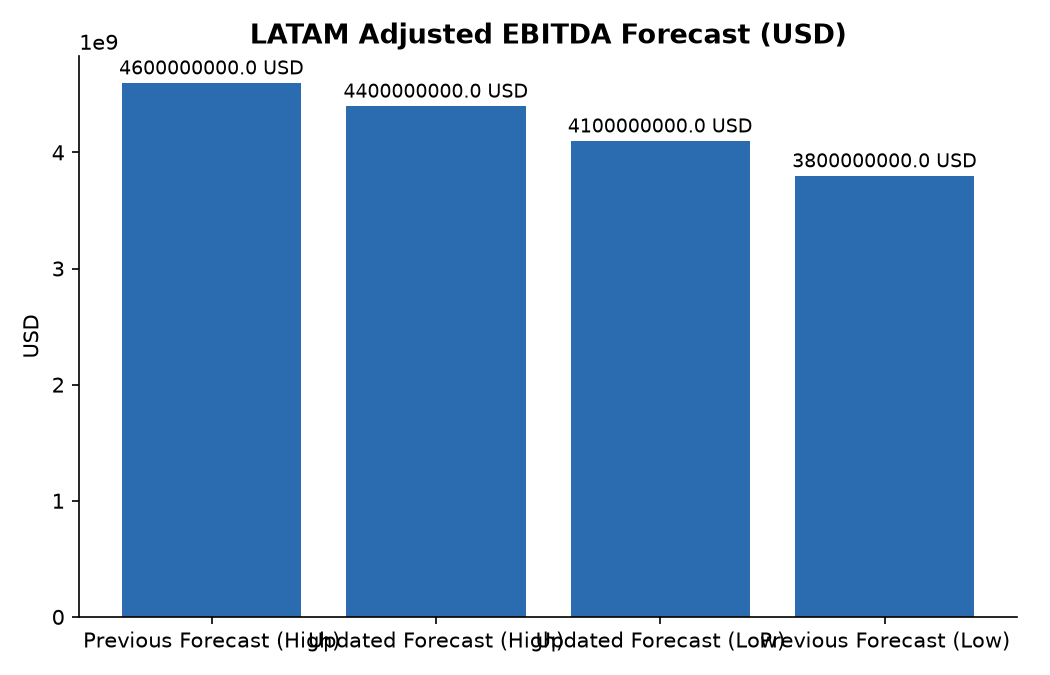
In a significant move for the aviation sector in Latin America, the region’s leading airline has revised its financial projections upward for 2026. This decision comes as the company navigates a complex landscape of fluctuating energy costs driven by international conflicts. The carrier’s updated guidance suggests a much stronger financial position than previously anticipated, largely due to a stabilization in the oil market.
Fuel Price Stabilization and Earnings Outlook
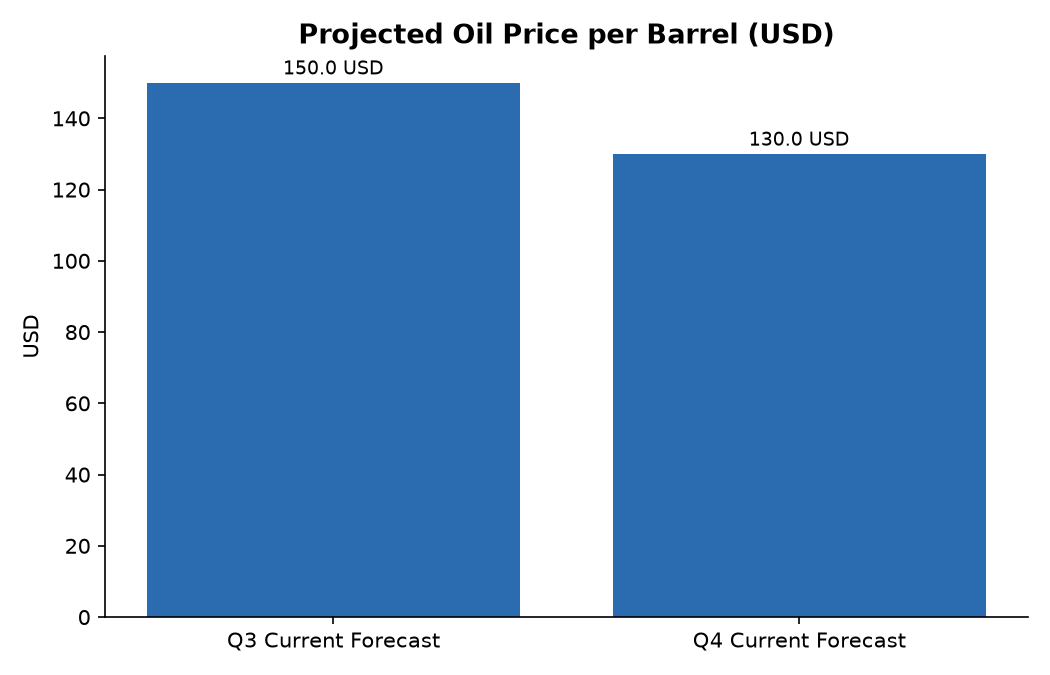
A major factor in this optimistic revision is the cooling of jet fuel prices. Recent geopolitical tensions in the Middle East had previously caused a spike in oil costs, creating a massive financial burden for the airline. However, recent trends indicate a downward shift in energy costs compared to the peak seen during the height of the conflict.
The airline’s leadership noted that while prices remain higher than historical norms, the current trajectory is far more manageable than the extreme scenarios faced earlier this year. This relief is allowing the company to adjust its earnings-before-interest, taxes, depreciation, and amortization (EBITDA) projections to a new range between $4.1 billion and $4.4 billion.
Operational Growth and Fleet Expansion
Beyond financial metrics, the airline is aggressively pursuing capacity growth. Key strategic developments include:
- Capacity Increase: An expected growth in capacity of between 9% and 10% for the current year.
- Fleet Modernization: The introduction of new E195-E2 jets in the Brazilian market, with up to 14 aircraft slated for deployment between late 2026 and early 2027.
- Route Expansion: The new aircraft will target high-demand corporate routes, particularly in agribusiness and oil-producing sectors.
The carrier’s revenue has seen a significant surge, driven primarily by a steady increase in passenger traffic and a growing contribution from cargo operations. While quarterly net profits have faced pressure from doubling fuel expenses in certain periods, the overall growth in revenue demonstrates a robust demand for air travel across the region.
Navigating Future Uncertainty
Despite the positive outlook, the aviation industry faces ongoing challenges. Geopolitical uncertainty remains a primary concern for airline executives, as sudden shifts in global stability can immediately impact fuel expenditures. However, the airline’s ability to maintain growth and expand its fleet amidst these challenges suggests a highly resilient operational model.