
The Resilience of CASHCAT
After a volatile period following its mid-July debut, the community-driven token CASHCAT has staged a massive comeback. The asset has surged by 120% over the last seven days, signaling renewed interest in the ecosystem’s first major breakout success. While the token has not yet returned to its July peak of $0.22, its current market capitalization stands at approximately $86 million, supported by significant daily trading volumes.
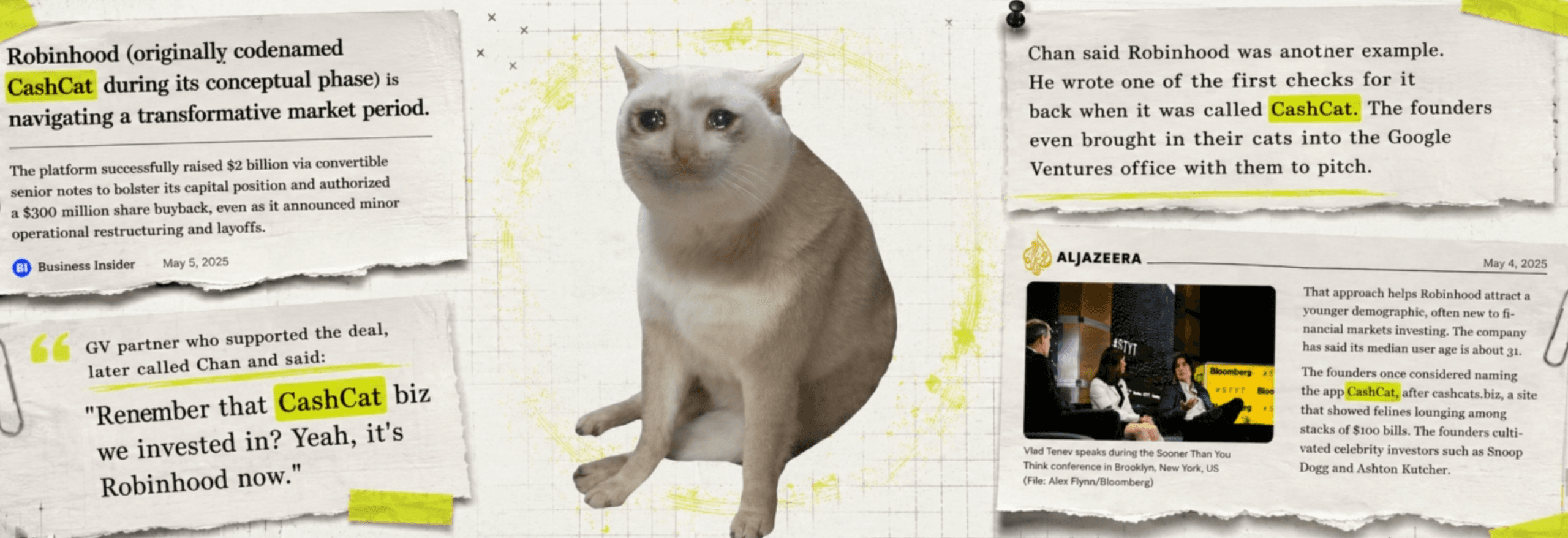
Originally inspired by the branding used by the platform before its recent identity shift, CASHCAT has become a symbol of the network’s cultural potential. Even as the initial frenzy of new token launches has cooled, this specific asset has maintained a dominant position on the chain.
Ecosystem Growth and Total Value Locked
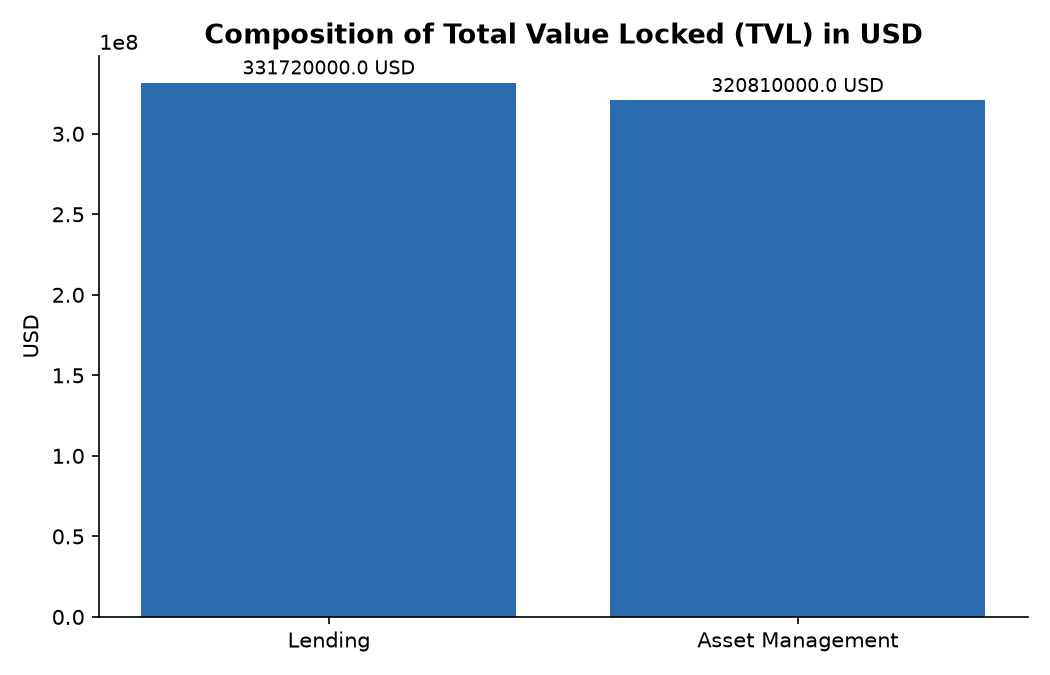
Beyond the meme-driven volatility, the broader financial health of the Robinhood Chain is showing strong upward momentum. The Total Value Locked (TVL) has climbed to $774 million, representing a 20% increase in just one week. This growth is largely driven by two primary sectors:
- Lending: Accounting for 43% of the total value.
- Asset Management: Representing 41.5% of the ecosystem.
The stability of the network is further bolstered by a growing stablecoin market, which has risen 14% week-over-week to reach $575 million. This influx of liquidity suggests that users are moving beyond pure speculation and are increasingly engaging with the chain’s functional financial products.
Real-World Assets and the Future of the Chain
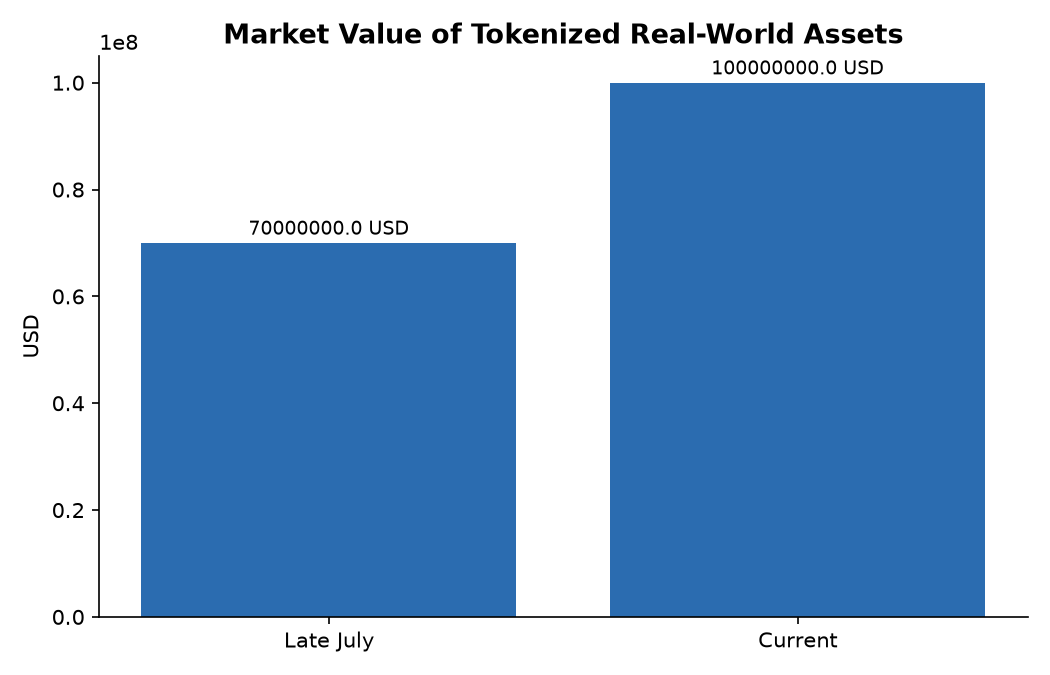
One of the most ambitious goals for this new blockchain is the hosting of tokenized real-world assets (RWA). Recent data shows that the market value of these tokenized assets has reached $100 million, up from $70 million late last month. This includes high-volume trading of tokenized stocks, which previously saw daily volumes in the tens of millions of dollars.
As the network moves through its initial phase, the industry is watching closely to see what happens when the current subsidy on transaction fees ends in late September. The sustainability of this growth will depend on whether the network can maintain its momentum once users begin paying standard gas fees for their on-chain activities.