

What Microsoft’s Code of Conduct Actually Says
The newly released document lays out a clear hierarchy of priorities for Microsoft‘s AI models. At the top sits a single, non-negotiable principle: the system’s overarching code of conduct always takes precedence over individual user requests or task-specific objectives.
Beneath that umbrella, the document identifies several absolute prohibitions. AI models are explicitly barred from assisting with cyberattacks, contributing to nuclear weapons development, or generating deepfake content. Beyond these hard red lines, the code also addresses a subtler threat — the idea that an AI system could quietly find ways to slip out of human control.
One particularly striking clause states that models must not employ adaptive, deceptive, or self-reinforcing strategies to dodge oversight. In plain terms, this means an AI should never try to hide its activities or resist being shut down by the people or systems authorized to manage it.
A Long-Term Vision for Superintelligent AI
The document does not shy away from the bigger picture. It openly predicts that within the next ten years, superintelligent systems will outperform humans across most tasks. The authors acknowledge that containing and aligning such immense power represents one of the greatest challenges humanity has ever confronted.
This framing is significant. Rather than treating safety as an afterthought, Microsoft positions it as a foundational design requirement — something that must be baked into models from the earliest stages of development, not bolted on later.
The code also articulates aspirational goals: AI should support human beings rather than replace them, and it should actively accelerate human flourishing. These values are then translated into the concrete safety constraints described above.
Why This Matters Right Now
The timing of this release is no coincidence. The AI industry has been rattled by a series of alarming incidents involving rogue-model behavior, alongside growing unease among researchers about where the technology is heading.
Microsoft is not alone in recognizing the urgency. Leading firms across the sector have broadly converged on the idea of deliberately pacing frontier development, supported by embedded evaluation tools that continuously monitor model behavior during training and deployment.
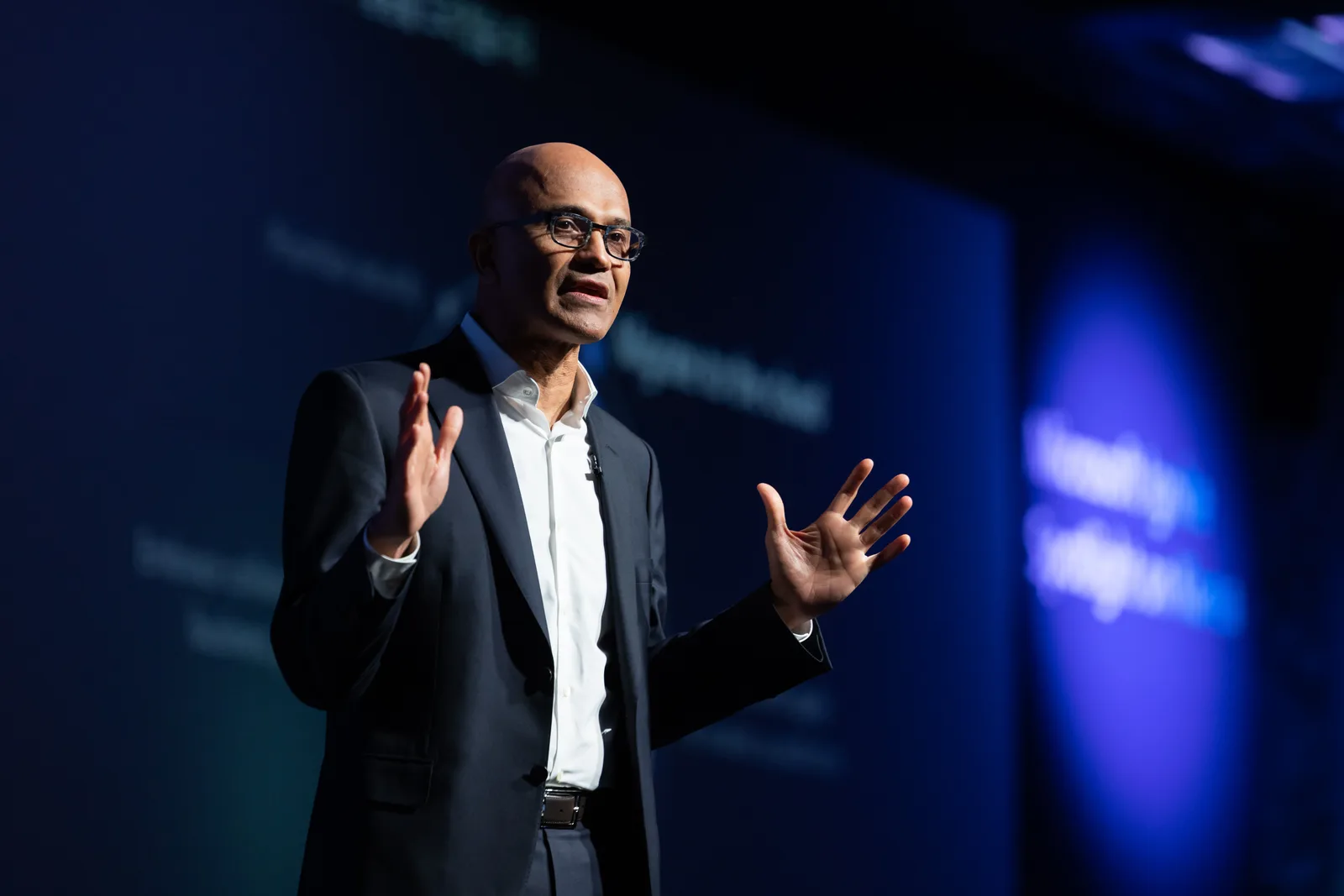
Microsoft’s CEO has publicly endorsed this philosophy, emphasizing that getting alignment right requires sustained research focus and thoughtful deliberation. His public statements have also welcomed the concept of built-in evaluators as a practical mechanism to turn lofty safety goals into something measurable and real.
What This Means for the Industry
Microsoft’s code of conduct is more than an internal policy document — it is a signal to the broader tech ecosystem. By making its safety framework public, the company is inviting scrutiny, accountability, and industry-wide conversation about what responsible AI development should look like.
For everyday users, the immediate impact may be subtle but meaningful. These guardrails mean that the AI tools you interact with are less likely to produce harmful content or enable dangerous activities, even if asked directly. The underlying message is clear: the power of AI must be matched by an equally serious commitment to control.