


A Shift Toward Aggressive Confrontation
The recent military operations by U.S. Central Command mark a significant departure from previous patterns of restraint. Following a series of ballistic missile attacks by the Islamic Revolutionary Guard Corps targeting American forces in the Gulf, the United States has moved from defensive interception to active retaliation. This shift suggests that Tehran may be moving away from diplomatic channels in favor of a more aggressive stance toward U.S. military presence in the region.
Security experts warn that this renewed hostility could target critical civilian infrastructure. Key assets, including desalination plants, power grids, and energy facilities in the Gulf, remain at high risk, potentially leading to much broader humanitarian and economic consequences.
Energy Markets React to Geopolitical Shock
The sudden resumption of hostilities has sent shockwaves through global commodity markets. Investors, reacting to President Trump’s warnings of heavy strikes, drove oil prices significantly higher in Wednesday’s trading session. The uncertainty surrounding the Strait of Hormuz—a vital artery for global oil transit—has added a layer of risk that the market is struggling to price in.
The impact on crude benchmarks was immediate:
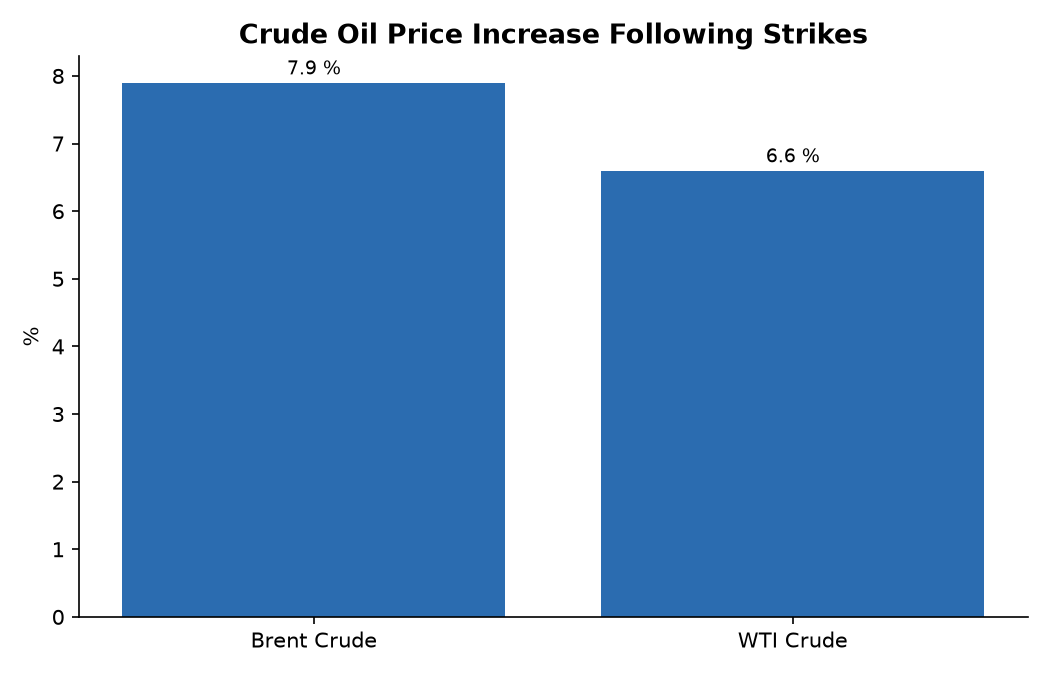
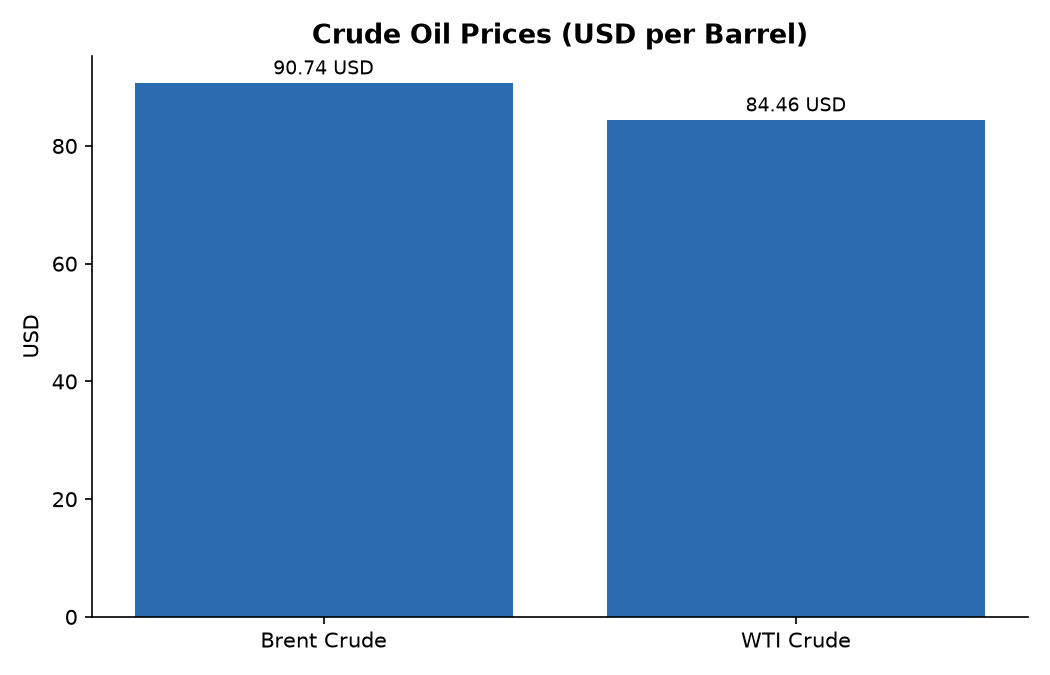
- Brent Crude: Surged by 7.9% to reach $90.74 per barrel.
- WTI Crude: Advanced by 6.6% to settle at $84.46 per barrel.
This volatility comes at a sensitive time for supply dynamics, as the market weighs the potential for prolonged disruptions against upcoming OPEC+ production adjustments.
Regional Complexity and Supply Chain Risks
The conflict is no longer localized to direct U.S.-Iran exchanges. Recent joint operations involving U.S. and Saudi Arabian forces have targeted Iran-aligned militias in Iraq. Meanwhile, Houthi attacks in Yemen have already impacted Saudi infrastructure, such as the Jazan refinery, which reportedly ceased operations following recent strikes.
The maritime implications are equally severe. Tanker traffic through the Strait of Hormuz has effectively come to a halt. Diplomatic efforts to regulate shipping lanes have stalled after Iran rejected Omani proposals, demanding unilateral oversight of inbound traffic. As long as these maritime routes remain contested, the global energy supply chain faces unprecedented vulnerability.
The Economic Outlook: Sanctions and Supply
Beyond the battlefield, the economic dimensions of the conflict are expanding. The U.S. administration has signaled a desire to expand economic pressure by potentially applying tariffs on Iranian goods, moving beyond traditional sanctions. While U.S.-Iran trade remains minimal—valued at approximately $60.0 million in 2025—the geopolitical ripple effects are felt globally.
Despite the current volatility, some analysts suggest that once the immediate disruptions subside, a well-supplied market may emerge through 2027, aided by OPEC+ plans to gradually unwind voluntary production cuts.
Reported by various news outlets based on recent geopolitical developments.


