


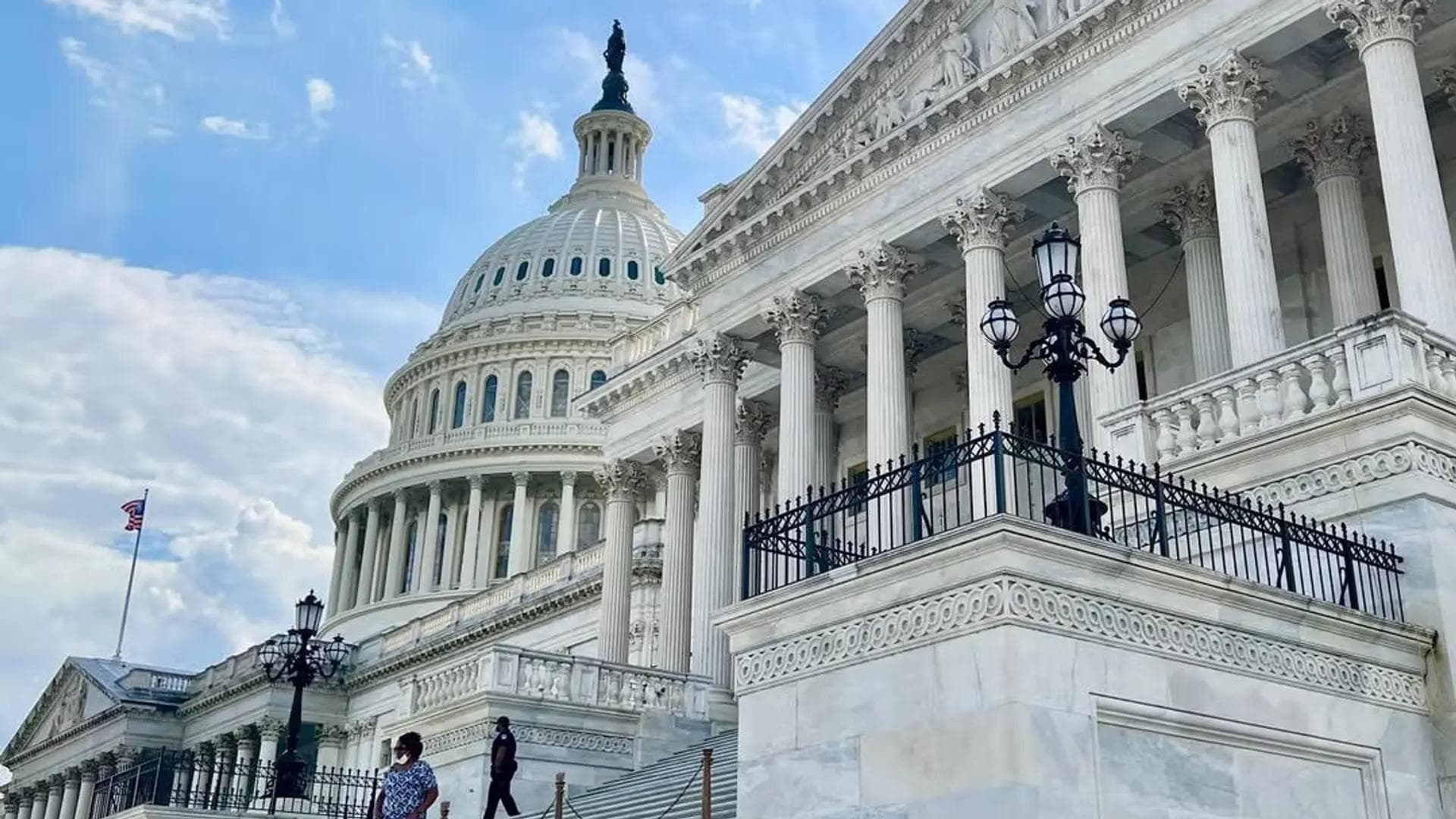
The Tension Between Speed and Stability
In the fast-moving world of digital assets, momentum is everything. For many investors, the arrival of new financial products and clearer legal frameworks represents the ultimate validation of the industry. However, the current landscape is defined by a complex dance between innovation and oversight. While many participants push for rapid integration into mainstream finance, regulatory bodies often opt for a more cautious, deliberate approach.
A Window for Market Maturation
Rather than viewing delays as a failure of progress, many industry experts are beginning to interpret them as a strategic necessity. The period of waiting offers several critical advantages for the ecosystem:
- Infrastructure Development: Exchanges and custodians have more time to refine their security protocols and compliance engines.
- Market Volatility Mitigation: Slower integration allows for a more gradual influx of institutional capital, potentially reducing the extreme price swings often seen during sudden market shifts.
- Legal Clarity: Prolonged discussions allow for the creation of more robust frameworks that protect consumers without stifling the core technological advancements.
The Institutional Perspective
For large-scale investors, the ‘wait and see’ approach is standard practice. They require high levels of certainty regarding asset custody, reporting standards, and tax implications before committing significant capital. Consequently, the current delay in widespread product launches might actually be paving the way for a more sustainable and professionalized era of crypto adoption. Instead of a chaotic rush, the industry may be heading toward a structured integration that mirrors the evolution of traditional equities and commodities.
Looking Ahead
The true test for the digital asset sector will not be how fast it can grow, but how well it can withstand the scrutiny of established financial regulators. If the current period of delay is used to strengthen internal controls and transparency, the eventual transition into the mainstream could be more permanent and resilient than previously anticipated.