


The Looming Generational Shift
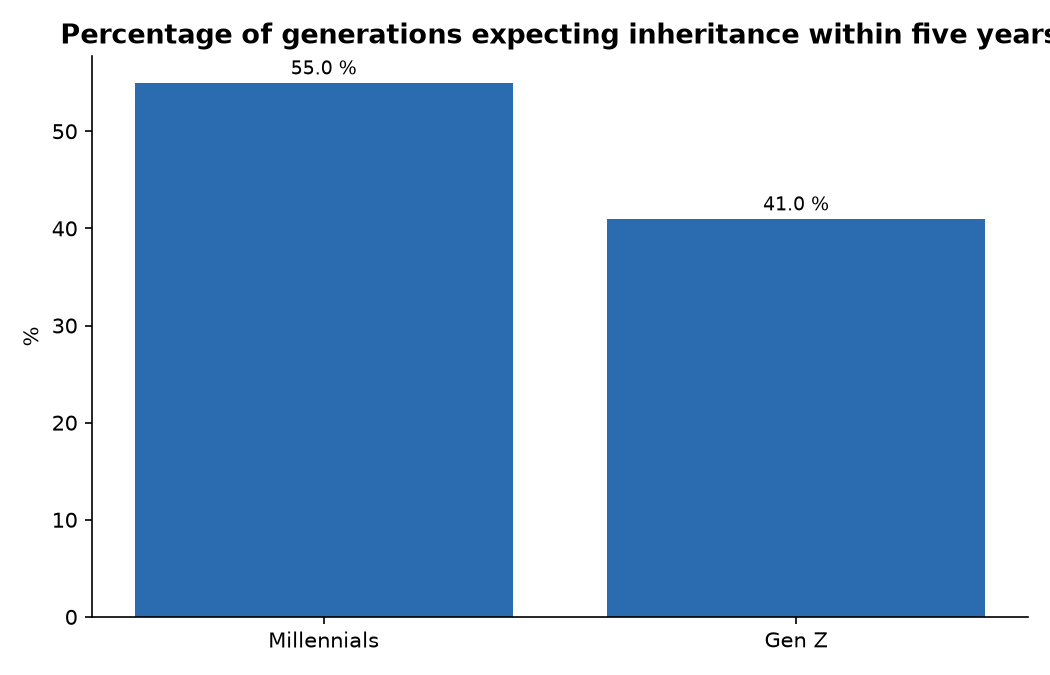
A significant economic phenomenon is unfolding, often described as the Great Wealth Transfer. This era will see a massive movement of assets from older generations to Millennials and Gen Z, fundamentally reshaping the financial landscape of the United States. With baby boomers currently holding more than half of the nation’s total wealth—approximately $85 trillion—the stakes for the upcoming transition could not be higher.
However, there is a disconnect between expectation and readiness. While a majority of younger generations expect to receive an inheritance in the near future, a large portion of the population feels entirely unprepared to manage such a significant financial windfall. Without a clear strategy, this transition can lead to tax inefficiencies, family disputes, and the erosion of long-term wealth.
Building a Foundation of Financial Literacy
Effective preparation is not a single event but a long-term educational process. To prevent the sudden influx of wealth from becoming a burden, families should focus on three core pillars:
- Early Education: Teaching the fundamentals of budgeting and saving through real-world practice helps children develop a healthy relationship with money before they encounter large sums.
- Open Communication: Normalizing discussions about family finances reduces confusion and helps align the next generation with the family’s long-term objectives.
- Defining the ‘Why’: Creating a family mission statement can clarify the purpose of the wealth, ensuring it serves as a tool for opportunity rather than a source of complacency.
Strategies for Gradual Responsibility
One of the greatest challenges for parents is finding the balance between providing freedom and maintaining their children’s drive. To manage this, many families utilize a phased approach to responsibility.
The ‘Practice Capital’ Concept
Rather than waiting for a single, overwhelming moment of inheritance, parents can use annual gifts as a form of ‘practice capital.’ This allows heirs to make real financial decisions with real-world consequences in a controlled environment. Observing how a child manages smaller amounts can provide vital insights into their financial philosophy and preparedness.
Scaling Involvement
As heirs reach major life milestones, such as entering university, they can begin to take on more active roles. This might include participating in meetings with financial advisors or gaining shared control as a co-trustee. This gradual increase in complexity ensures that the transition feels like a natural progression rather than a sudden shock.
The Role of Professional Guidance
As family wealth grows and becomes more complex, the involvement of a professional advisor becomes essential. These experts serve as neutral third parties who can translate technical financial details into actionable guidance. They help families navigate complex tax landscapes, manage diverse perspectives among heirs, and ensure that the legal structures in place—such as trusts—are robust and aligned with the family’s core values.
Ultimately, the goal of proactive planning is to transform a complex financial event into a lasting legacy that empowers future generations to thrive.