
In a striking development that has sent ripples across the digital‑asset community, the founder of a once‑promising NFT startup has been formally charged with misusing funds raised during a $10 million capital‑raising effort. The allegations claim that a significant portion of the money meant for platform development and marketing was diverted for unrelated personal expenses.
From Vision to Legal Troubles
The startup, which had positioned itself as a bridge between traditional art collectors and the emerging NFT space, attracted a wave of investors by promising a suite of tools for minting, curating, and trading digital art securely. The fundraising round, completed in early 2023, was touted as a milestone that would enable the company to hire a full‑time development team, expand its marketing reach, and secure partnerships with major galleries.
However, internal investigations revealed discrepancies in the company’s financial statements. Auditors noted that a sizable chunk of the capital had been channeled into accounts that could not be verified as belonging to legitimate business expenses. The founder’s personal bank statements, in turn, indicated large withdrawals that correlated with the timing of the alleged misappropriation.
Legal Proceedings and Charges
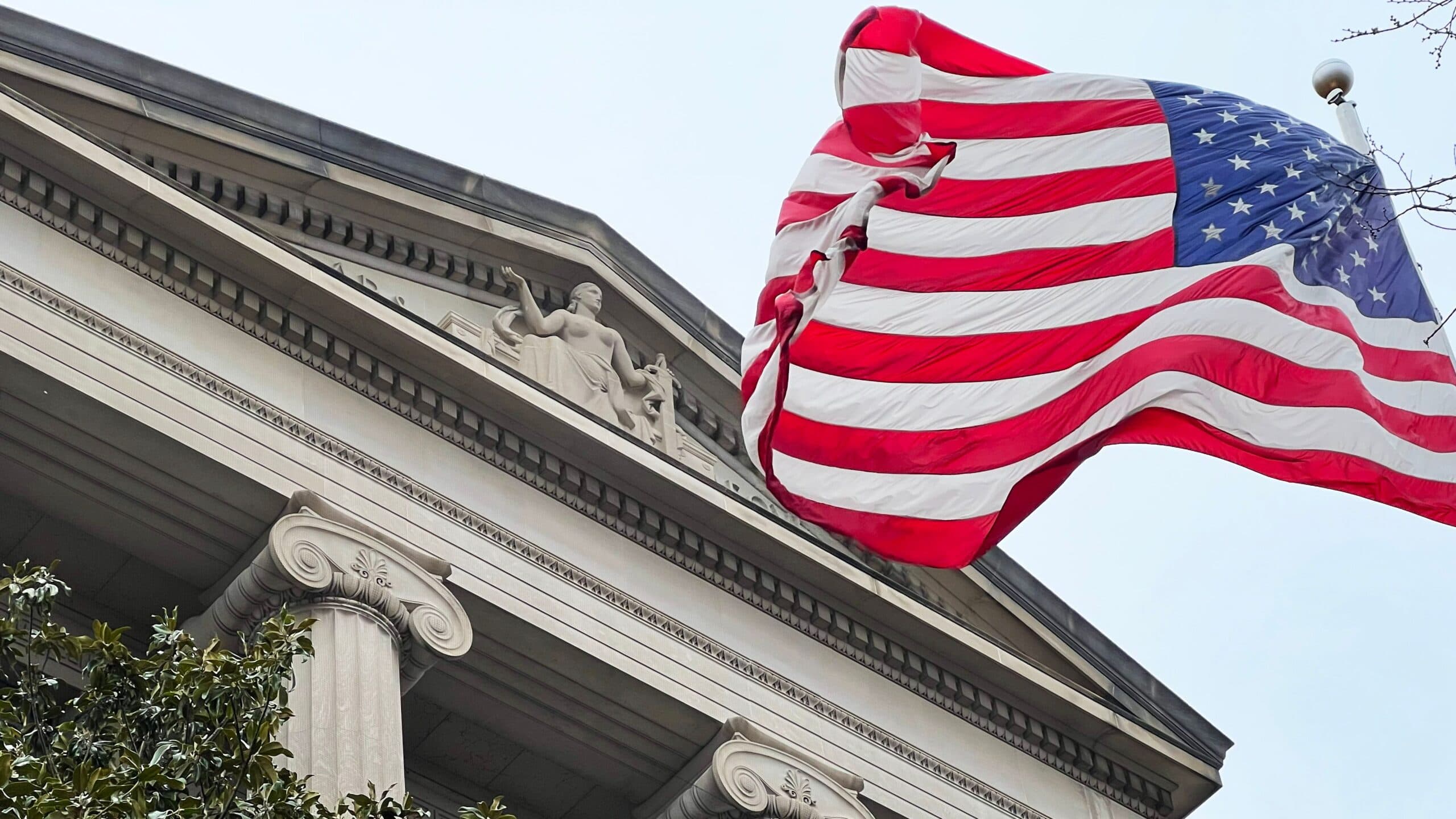
Law enforcement agencies filed a formal complaint accusing the founder of fraud, misappropriation of funds, and breach of fiduciary duty. While the startup’s board remains incongruent on the matter, the court documents highlight that the company’s limited liability company (LLC) agreement required the founder to act in the best interest of the entity and its investors. The charges are expected to lead to a pre‑trial hearing, and if proven, could result in restitution orders and potential imprisonment.
Implications for the NFT Market
Incidents like this undermine confidence in the NFT space, which already faces scrutiny over environmental impact, copyright disputes, and speculative bubbles. Investors often rely on the narrative of innovation and artistic freedom, but incidents of financial misconduct can erode that trust. Market analysts warn that a wave of regulatory scrutiny could follow, especially as the SEC and other bodies consider tightening oversight of digital‑asset fundraising.
Investor Due Diligence
For those navigating the NFT arena, this case underscores the critical importance contributed to due diligence. Key questions to ask include:
- What governance structures are in place to prevent unilateral decisions on fund allocation?
- Are there independent auditors or third‑party financial reviews?
- How transparent is the company with investor reporting?
- What legal safeguards exist to protect investors in the event of mismanagement?
Potential Regulatory Repercussions
Regulators may leverage this high‑profile case to push for clearer regulations around digital‑asset fundraising. Possible outcomes include:
- Mandated disclosure of financial statements for all NFT startups seeking capital.
- Stricter licensing requirements for founders and executives.
- Enhanced investor protection mechanisms, such as escrow accounts for raised funds.
Looking Ahead
While the legal process unfolds, the company’s future hangs in balance. Investors face a tough decision: wait for a court verdict, seek a settlement, or sell their stakes to mitigate potential losses. The broader NFT ecosystem, meanwhile, must grapple with how to rebuild trust while maintaining the creative freedom that drew investors in the first place.
Ultimately, this case serves as a cautionary tale: the intersection of art, technology, and capital requires vigilant oversight to ensure that innovation does not come at the expense of ethical financial stewardship.