


A New Form for Artificial Intelligence
For years, the primary interaction with advanced language models has been through screens and keyboards. However, a new direction is emerging as OpenAI seeks to create a ‘physical manifestation’ of its technology. The goal is to transition from a chatbot on a phone to a dedicated, ambient presence within the household.
Recent industry insights suggest the device will move away from the traditional cylindrical or puck-shaped designs seen in current smart home ecosystems. Instead, the hardware is expected to feature a unique donut-shaped silhouette, allowing for versatile placement on surfaces ranging from kitchen counters to bedside tables.
Premium Design and Engineering
This is not intended to be a budget-friendly gadget. The project aims for a luxury aesthetic, utilizing high-quality metals and a sophisticated finish. Interestingly, the design is expected to include moving parts, a departure from the static nature of most current smart speakers.
The development is reportedly a collaborative effort with a renowned design studio led by a former Apple hardware visionary. This partnership underscores the ambition to create a device that is as much a piece of high-end decor as it is a functional tool.
Market Challenges and Strategic Risks
Entering the smart speaker market is a high-stakes gamble. Historically, the sector has been characterized by razor-thin margins and intense competition from established tech giants. OpenAI faces a steep climb to achieve profitability in a space where many predecessors struggled to find a sustainable business model.
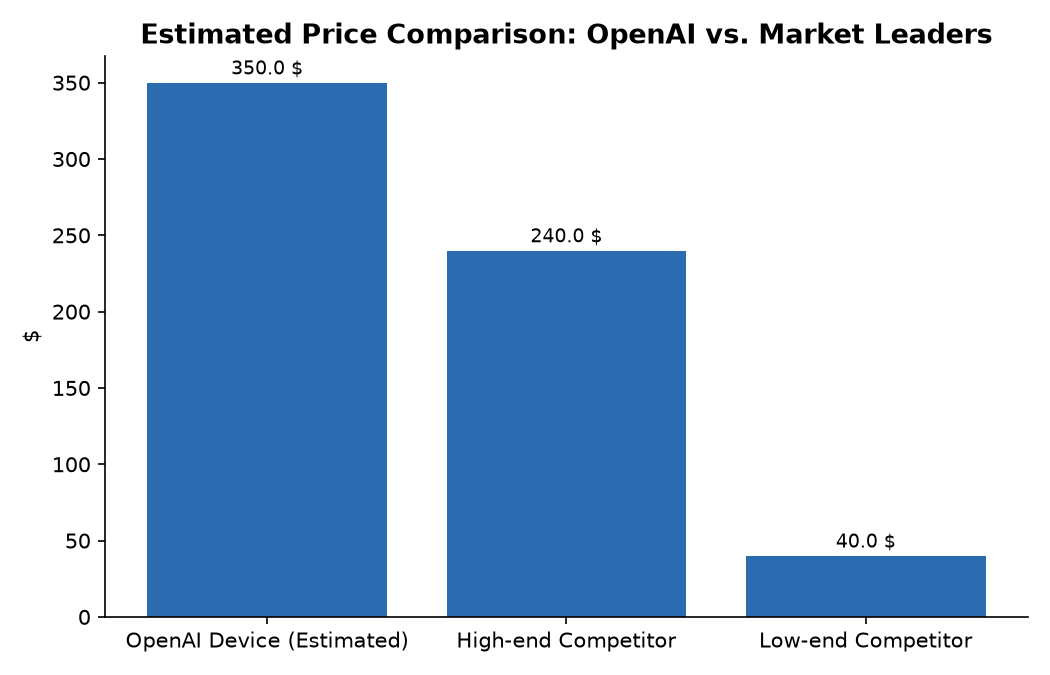
The anticipated price point further distinguishes this device from the competition. While current market leaders offer entry-level options at much lower price points, this new AI companion could retail between $300 and $400, positioning it as a premium luxury item rather than a mass-market utility.
Timeline and Legal Context
While excitement is building, consumers may have to wait a significant amount of time. Current projections suggest a potential release as far out as 2027. This extended timeline allows for the refinement of the complex hardware-software integration required to make a truly seamless AI experience.
The path forward is not without legal friction. The company is currently navigating complex litigation regarding intellectual property and trade secrets, a hurdle that could influence the speed and direction of their hardware roadmap.