


Breaking the Barrier Between Lending and Yield Generation
For a long time, decentralized finance (DeFi) users have had to choose between two primary ways to earn yield: lending their assets to borrowers or providing liquidity to decentralized exchanges. Historically, these two activities operated in silos. However, a significant evolution is underway on the Solana network as Jupiter launches its updated lending protocol, Lend v2.
This new iteration introduces a mechanism where a single deposit can serve multiple purposes. By allowing borrowed positions and deposits to act as trading liquidity, the protocol enables users to capture both interest from loans and a portion of swap fees from trading activity. This dual-earning potential is designed to increase capital efficiency across the entire ecosystem.
The Mechanics of Smart Collateral and Smart Debt
The new update introduces two optional features designed to optimize how assets work within the protocol:
- Smart Collateral: This allows users to automatically pair assets like USDC, USDT, SOL, or JupSOL into correlated liquidity pools. This setup enables the assets to earn interest from loans while simultaneously gathering trading fees and staking rewards.
- Smart Debt: This feature applies similar logic to borrowed assets. By integrating debt positions into liquidity pools, the fees generated by those pools can help offset the overall cost of the loan for the borrower.
By focusing on correlated pairs—such as stablecoins against each other or SOL against its staked versions—the protocol aims to mitigate the risks associated with high volatility. This strategic design ensures that the liquidity pools remain relatively stable, reducing the likelihood of sudden, catastrophic imbalances.
Driving Ecosystem Growth Through Efficiency
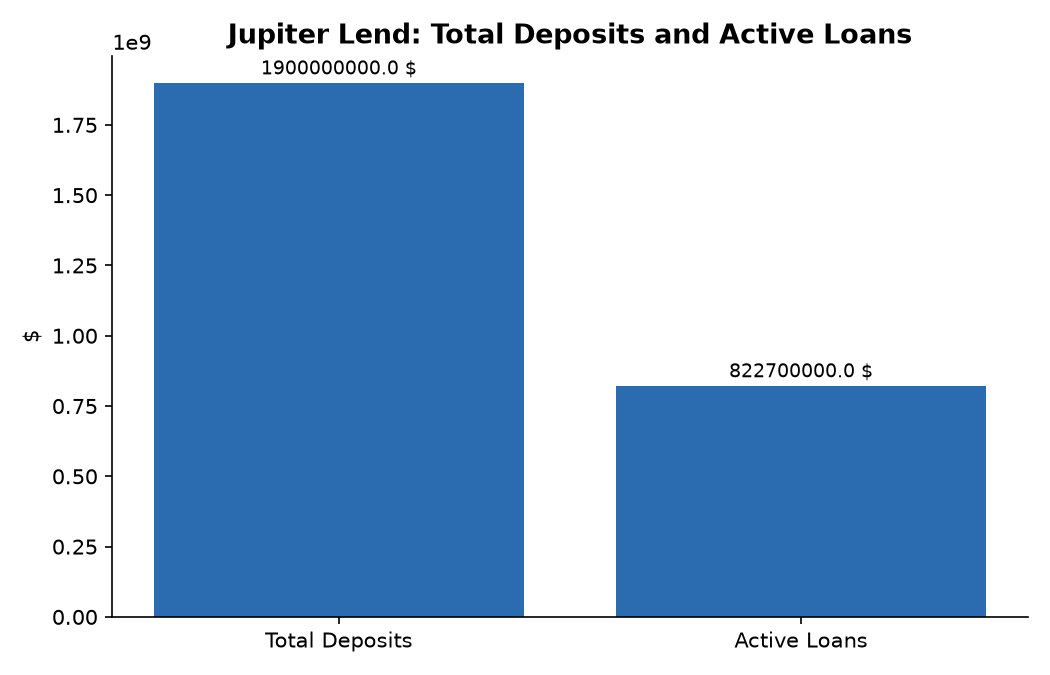
The integration of these features is not just about increasing individual returns; it is about scaling the total market. By offering higher deposit rates and more competitive borrowing costs, the protocol aims to attract more capital and increase the volume of active loans.
While the complexity of these new vaults introduces new risk profiles—specifically for liquidity providers who may bear the brunt of a sudden asset depeg—the goal is to bridge the gap between lending and liquidity provisioning. As trading volume flows through these integrated pools, the efficiency of the entire Solana lending market is expected to rise, potentially revitalizing a loan book that has seen stagnant growth in recent months.