


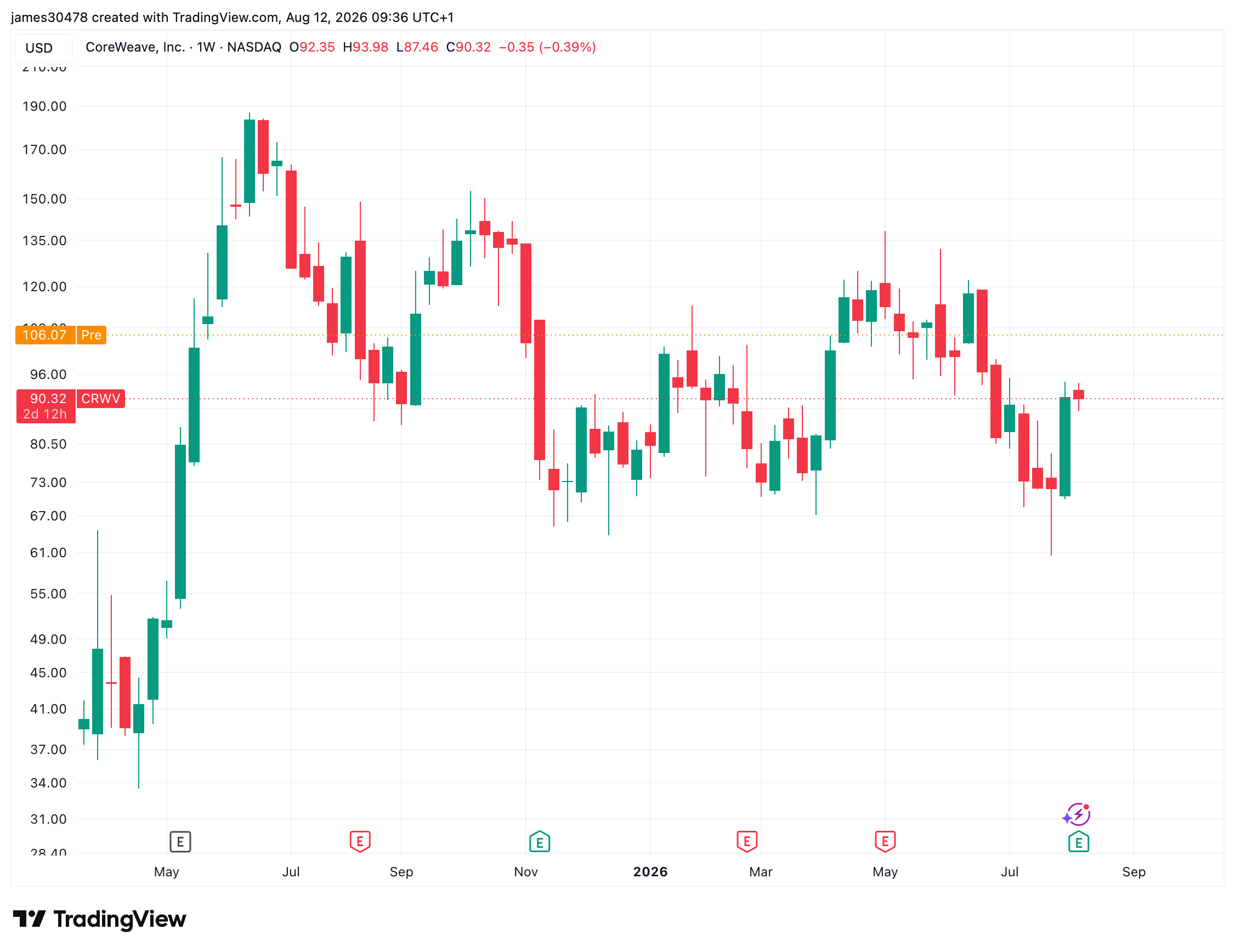
The Great Infrastructure Pivot
A significant transformation is occurring within the high-performance computing sector. For years, specialized hardware providers focused their efforts on the volatile world of cryptocurrency mining. However, a new economic engine has emerged: the global appetite for artificial intelligence.
Recent financial performance highlights this massive transition. Leading infrastructure specialists are reporting significant surges in revenue, driven not by the mining of digital assets, but by the immense computational requirements of large language models and generative AI applications. This shift represents more than just a change in client base; it is a fundamental restructuring of the data center business model.
From Digital Gold to Artificial Intelligence
The demand for specialized GPUs (Graphics Processing Units) has skyrocketed, creating a bottleneck for companies trying to scale their AI capabilities. This scarcity has turned infrastructure providers into some of the most critical players in the modern tech ecosystem. While crypto-related demand remains a factor, it has been eclipsed by the sheer scale of enterprise investment in AI training and inference.
This transition offers several strategic advantages for infrastructure firms:
- Revenue Stability: Unlike the highly volatile crypto market, AI enterprise contracts tend to offer more predictable, long-term revenue streams.
- Scalability: The massive capital expenditures required for AI clusters are attracting significant investment from venture capitalists and major tech players.
- Market Diversification: By pivoting to AI, companies are insulating themselves against the extreme price fluctuations of the digital asset markets.
The Economic Impact of the AI Boom
As companies race to build the foundations of the next era of computing, the financial implications are profound. The ability to provide massive, scalable compute power has become a primary competitive advantage. We are witnessing a period where the physical infrastructure—the servers, the cooling systems, and the high-speed networking—is becoming as valuable as the software running on top of it.
As the AI revolution continues to accelerate, the companies that successfully bridge the gap between traditional data center services and specialized AI compute are poised to lead the next wave of technological growth.