


A Shift in Corporate Narrative
Only a few years ago, the narrative in Detroit was dominated by a singular, ambitious goal: the total electrification of the American automotive landscape. General Motors and Ford were aggressively marketing their transition to electric vehicles (EVs), committing billions in capital to transform their fleets. However, recent analysis suggests that the tone has fundamentally changed.
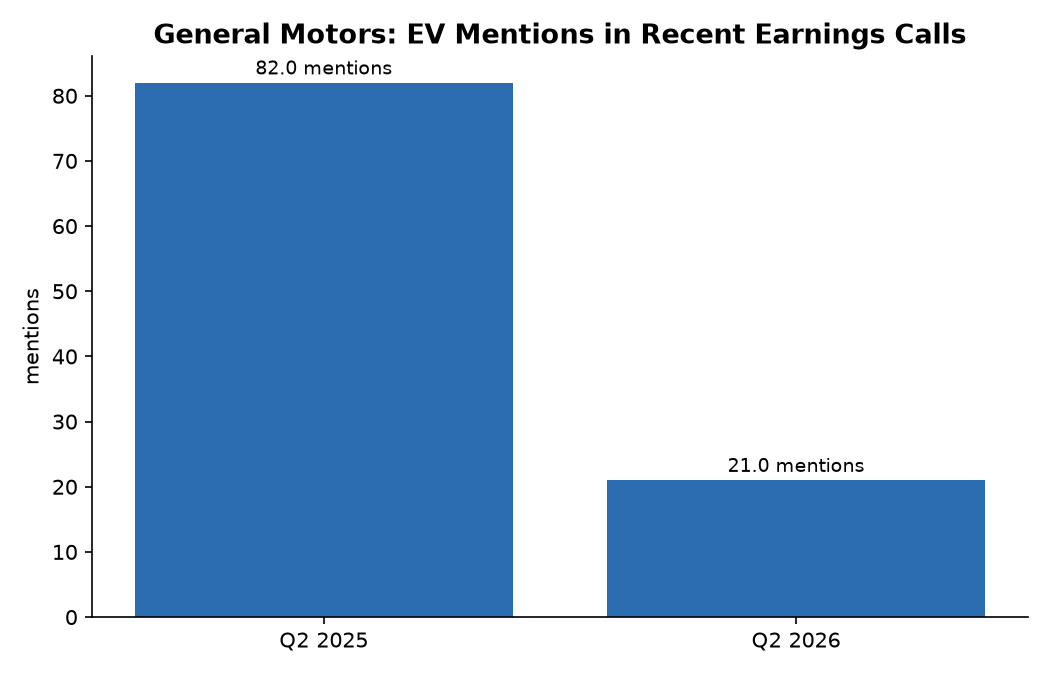
According to data analyzed by Hudson Labs, the frequency of EV-related discussions during quarterly earnings calls for both GM and Ford has dropped significantly compared to the pre-pandemic and early-transition eras. This isn’t just a matter of semantics; it reflects a strategic pivot in response to market realities and changing political landscapes.
Strategic Realignment vs. Abandonment
The reduction in verbal commitment does not necessarily mean these companies are exiting the EV race, but they are certainly re-evaluating their pace. Both manufacturers have faced a complex set of headwinds, including:
- Market Volatility: Fluctuating consumer demand and shifting profitability margins.
- Supply Chain Issues: The lingering effects of the semiconductor shortage that disrupted early production.
- Regulatory Shifts: Changes in federal tax credits and environmental mandates following the U.S. presidential transition.
For General Motors, the company has emphasized that ‘quality counts more than quantity.’ While they remain committed to the long-term goal of electrification, their current focus has expanded to include software, autonomous technology, and complex capital allocation strategies. The goal has moved from rapid expansion to ensuring that the transition to EVs is a profitable one.
Ford’s Path to Affordability
Ford is following a similar trajectory of cautious optimism. While the company is developing a new ‘Universal Electric Vehicle’ platform aimed at the midsize pickup segment, their recent investor communications have focused more heavily on high-margin internal combustion engine (ICE) vehicles, such as the F-Series trucks, and navigating new trade policies.
The data suggests that for both Detroit giants, the ‘all-in’ era of the early 2020s has been replaced by a more pragmatic, measured approach. The industry is moving from the ‘hype’ phase of electric mobility into a complex phase of scaling manufacturing, managing regulatory compliance, and ensuring economic sustainability.
This analysis is based on research conducted by TechCrunch and Hudson Labs.


