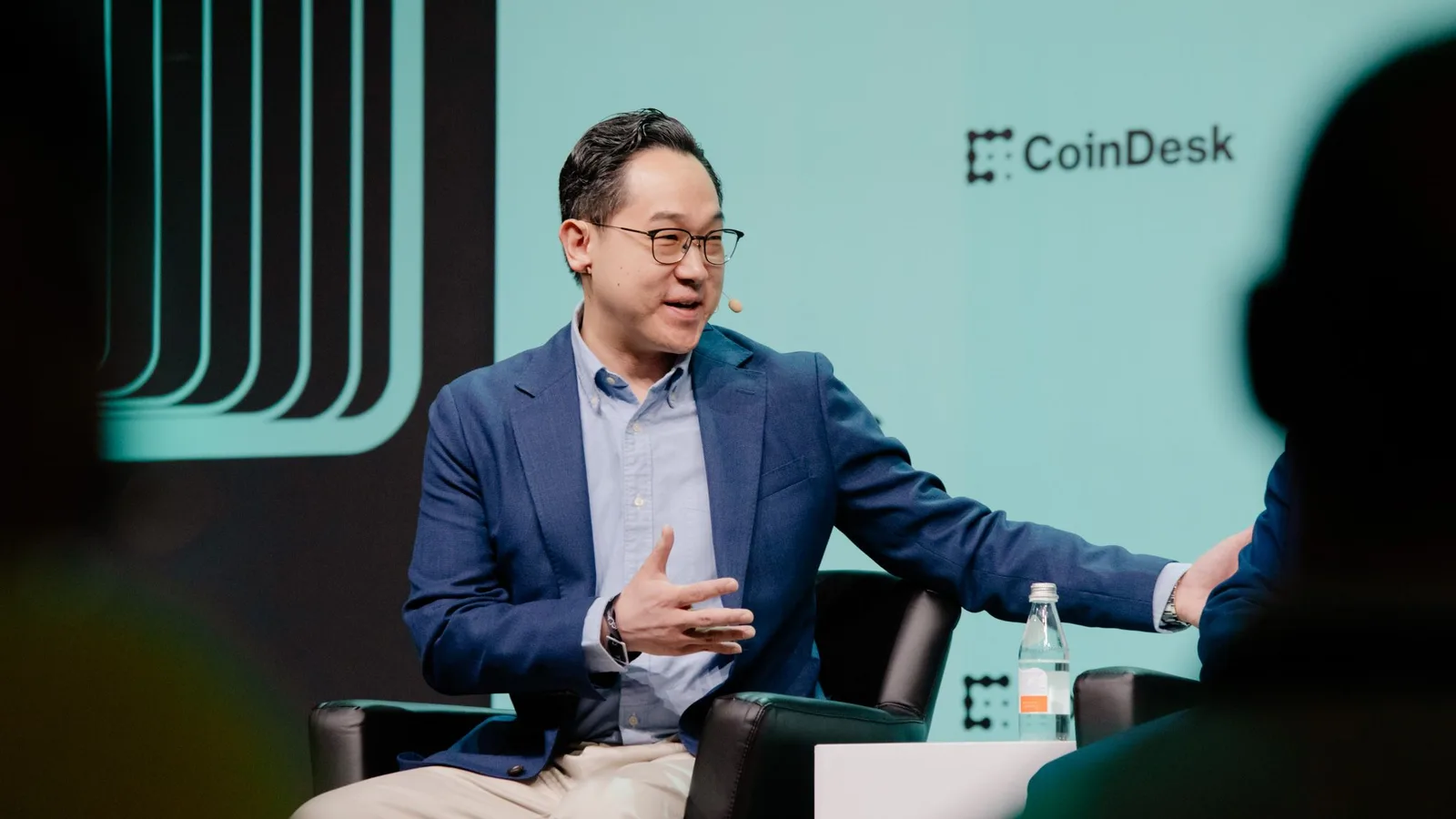



The Merging of Two Financial Worlds
For years, the financial world was divided into two distinct camps: the traditional finance (TradFi) sector, governed by decades-old regulatory frameworks, and the burgeoning world of crypto and digital assets. However, a significant shift is underway as leading cryptocurrency exchanges begin to integrate traditional asset classes into their platforms.
Recent moves by major players in the digital asset space to offer US-listed stocks to European users mark a pivotal moment in market evolution. This expansion suggests that the next phase of digital asset adoption involves providing a one-stop shop for all types of high-growth investments, whether they reside on a blockchain or a traditional exchange.
Why European Markets are the New Frontier
The decision to bring US stocks to European audiences is a strategic move aimed at capturing a diverse user base. European investors often seek exposure to high-performing American tech and growth stocks, but navigating the complexities of international brokerage accounts can be a hurdle. By integrating these assets directly into existing crypto interfaces, exchanges are removing significant barriers to entry.
This move serves several strategic purposes:
- Increased User Retention: By offering more products, exchanges prevent users from moving capital to traditional brokerage firms.
- Diversification of Revenue: Moving beyond trading fees for crypto, platforms can tap into the massive volumes of the equity markets.
- Mainstream Legitimacy: Offering regulated, well-known assets helps bridge the trust gap for institutional and retail investors alike.
The Regulatory and Competitive Landscape
This convergence is not without its challenges. Integrating traditional equities requires navigating a complex web of cross-border regulations, ensuring compliance with both local financial authorities and international securities laws. As these platforms evolve into hybrid financial hubs, they must balance the permissionless nature of crypto with the strict oversight required for equity trading.
As the divide between digital and traditional finance continues to shrink, the industry is moving toward a unified ecosystem. For the end-user, this means more flexibility and a seamless way to manage a global, diversified portfolio from a single digital wallet or dashboard.