


The Explosion of ‘Token Spending »
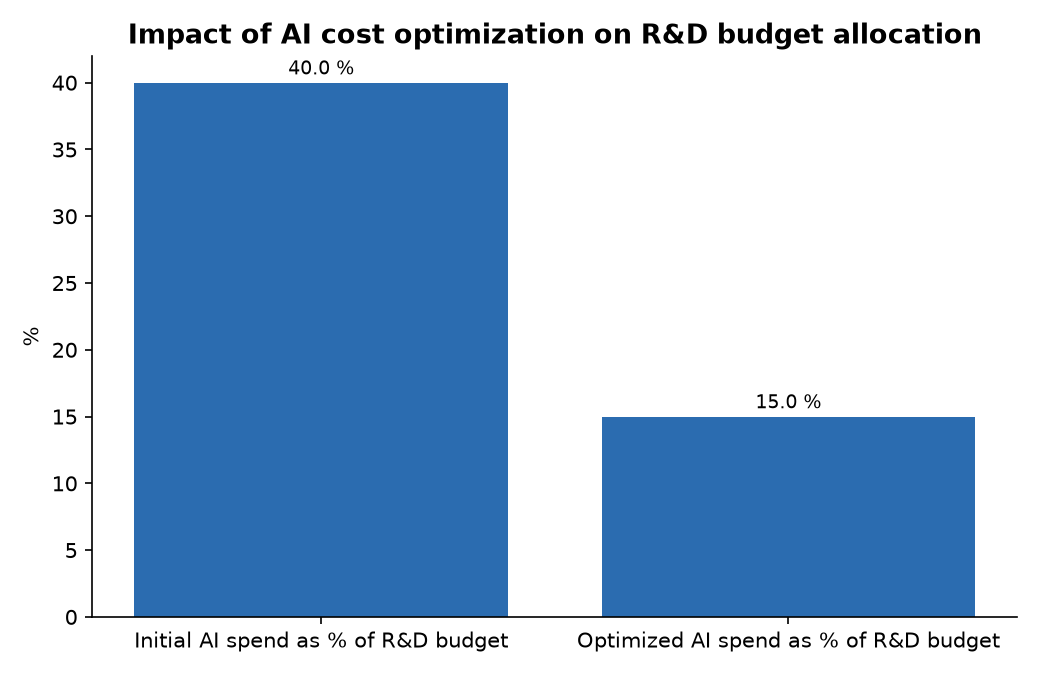
In the rush to integrate cutting-edge artificial intelligence, many technology firms have encountered a startling reality: the cost of AI tokens can quickly spiral out of control. Recent internal data from a major software provider revealed that AI expenses were on track to consume nearly 40% of the entire research and development budget. This surge was driven by a phenomenon where employees defaulted to the most expensive, high-end models for every minor task, regardless of whether the complexity justified the cost.
From Uncontrolled Burn to Strategic Management
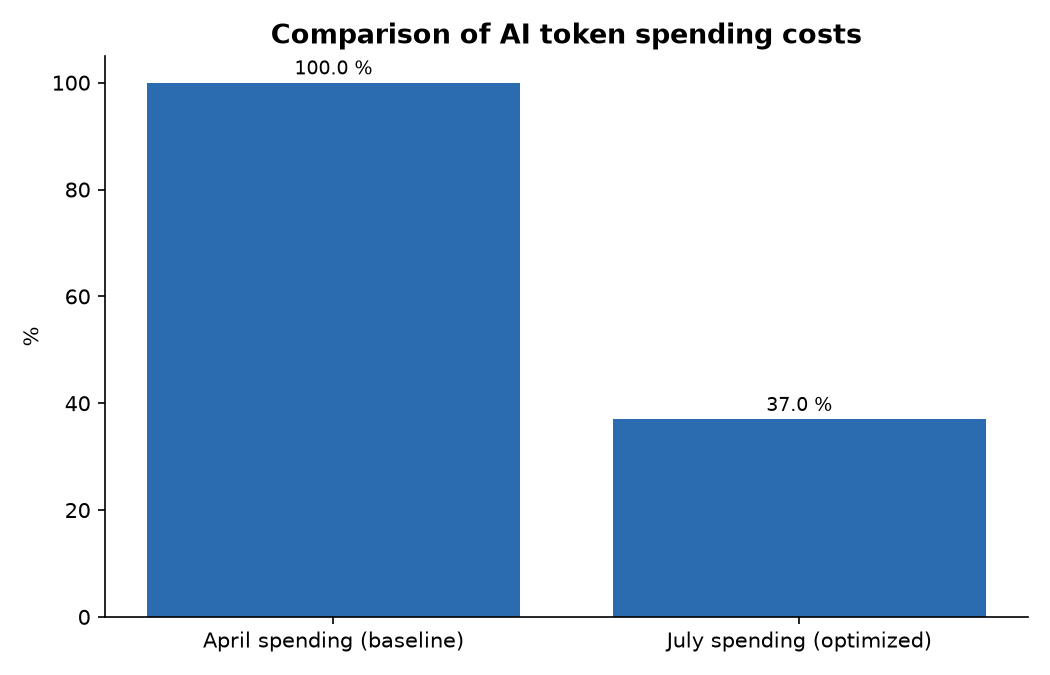
The lack of visibility into how different teams utilize various AI models created a significant financial challenge. Without proper oversight, spending was growing at a staggering rate month-over-month. To combat this, companies are now developing specialized consoles to monitor AI consumption. These tools serve two critical purposes:
- Cost Containment: Identifying which departments or individual users are driving the highest expenses.
- Productivity Verification: Determining whether high AI spend actually results in higher output, or if it simply produces low-quality ‘AI slop’ that requires manual correction.
The Rise of the AI Gateway
One of the most effective strategies to manage these costs is the implementation of an AI gateway. Instead of allowing employees to use the most expensive models by default, these gateways intelligently route prompts to the most cost-effective model capable of handling the specific task. For example, while frontier models are essential for complex coding, simpler tasks like grammar checks or basic data reconciliation can be handled by significantly cheaper alternatives without sacrificing quality.
This strategic routing has shown dramatic results. In one case study, a company managed to reduce its token spend from 40% of its R&D budget to just 15% of that budget, even while maintaining extremely high levels of actual AI usage. This proves that the goal is not to limit AI adoption, but to optimize it through smarter resource allocation.
Linking AI Usage to Real-World Metrics
The next frontier in AI management is the ability to link token consumption to specific business outcomes. While engineering teams have clear metrics—such as lines of code or pull requests—other departments require different benchmarks. For customer onboarding teams, success might be measured by the speed of data reconciliation or the volume of new clients onboarded.
As companies refine these measurement frameworks, the era of ‘unlimited AI access’ may evolve into a more disciplined, performance-based model. The ability to prove that AI spend directly translates into measurable productivity will be the deciding factor in whether these tools are rolled out to the entire workforce or restricted to specialized roles.