

The Battle Between Privacy and Automated Detection
As cities become increasingly saturated with smart cameras, the ability of artificial intelligence to automatically identify faces, license plates, and specific objects has reached unprecedented levels. This transition from simple video recording to active algorithmic detection has raised significant privacy concerns, particularly regarding the ability of individuals to move through public spaces without being digitally tracked.
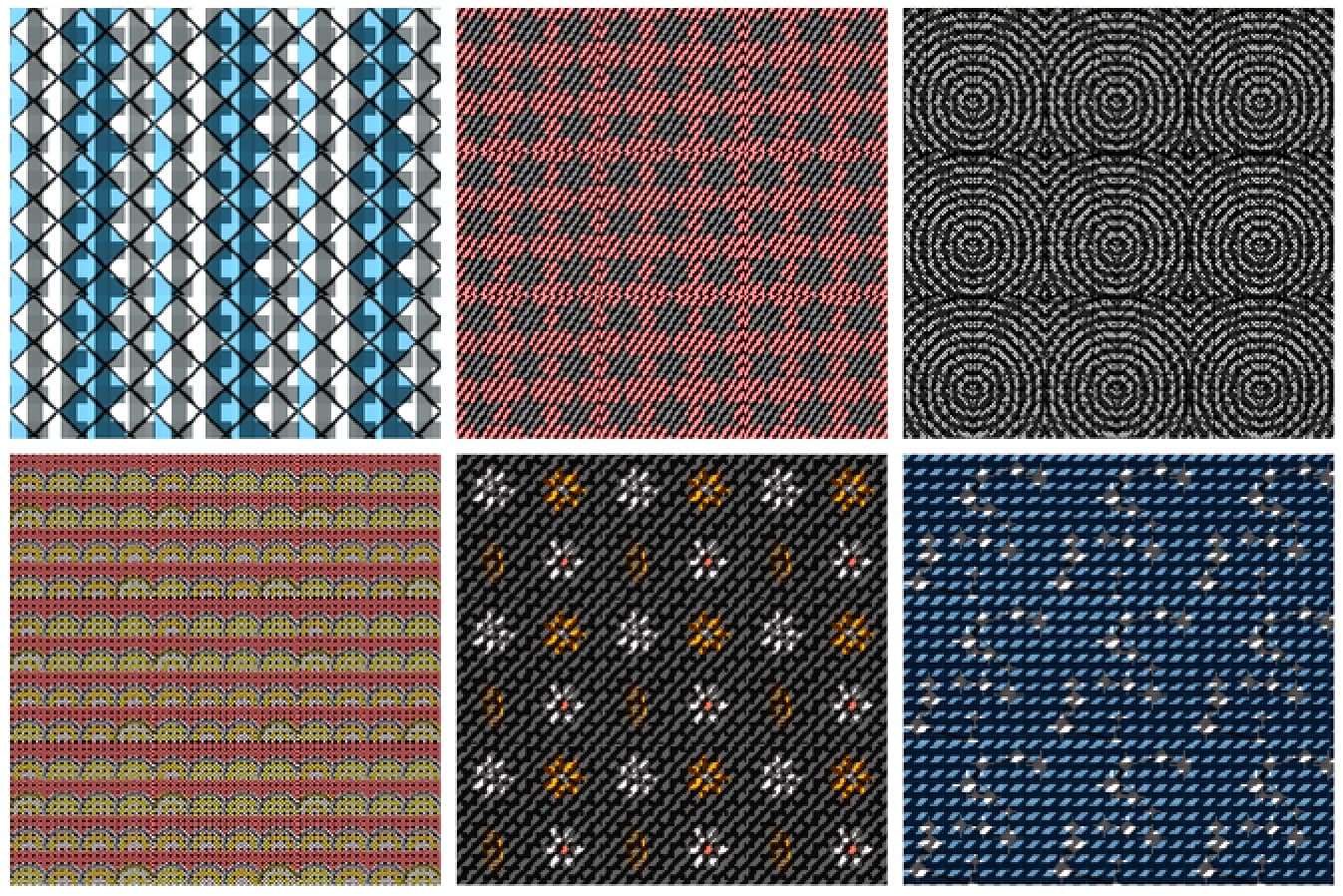
However, a new project is emerging to counter this trend. By utilizing ‘adversarial’ patterns—complex, computer-generated designs—it is now possible to disrupt the way surveillance algorithms perceive the world. These patterns do not stop a camera from recording video, but they do prevent the software from recognizing what is actually in the frame.
How Adversarial AI Works
The core of this technology lies in a sophisticated reinforcement learning model. Instead of using static designs, the system undergoes millions of iterations, testing different patterns against various open-source detection algorithms. Through this process, the AI effectively ‘learns how to paint’ the most effective camouflage.
The mechanism is simple yet profound: when a pattern successfully prevents an algorithm from triggering an alert, the model refines its approach. This iterative cycle has resulted in a system capable of generating highly effective patterns on demand. These designs can be applied to various surfaces, including clothing and vehicle wraps, effectively turning a visible object back into an unrecognizable shape for an automated system.
Key Capabilities of the Technology:
- Algorithmic Disruption: Scrambles the ability of AI to identify specific entities like faces or license plates.
- Real-World Application: Proven effective in live demonstrations on vehicles in public settings.
- Continuous Improvement: The model constantly evolves, creating new patterns that are mathematically optimized to evade detection.
The Ethics of Digital Anonymity
The development of these patterns highlights a growing tension between public safety technology and individual civil liberties. For many, the ability to ‘opt-out’ of pervasive tracking is a matter of fundamental rights, especially when surveillance is used to monitor lawful gatherings or public expressions.
While some developers aim to release these patterns via fashionable apparel—such as hoodies and T-shirts—the technology remains a moving target. As detection algorithms become more advanced, the adversarial patterns must evolve even faster to maintain their effectiveness. The ongoing race between surveillance manufacturers and privacy advocates is only just beginning.