

A Landmark Deal Between Traditional Finance and Digital Assets
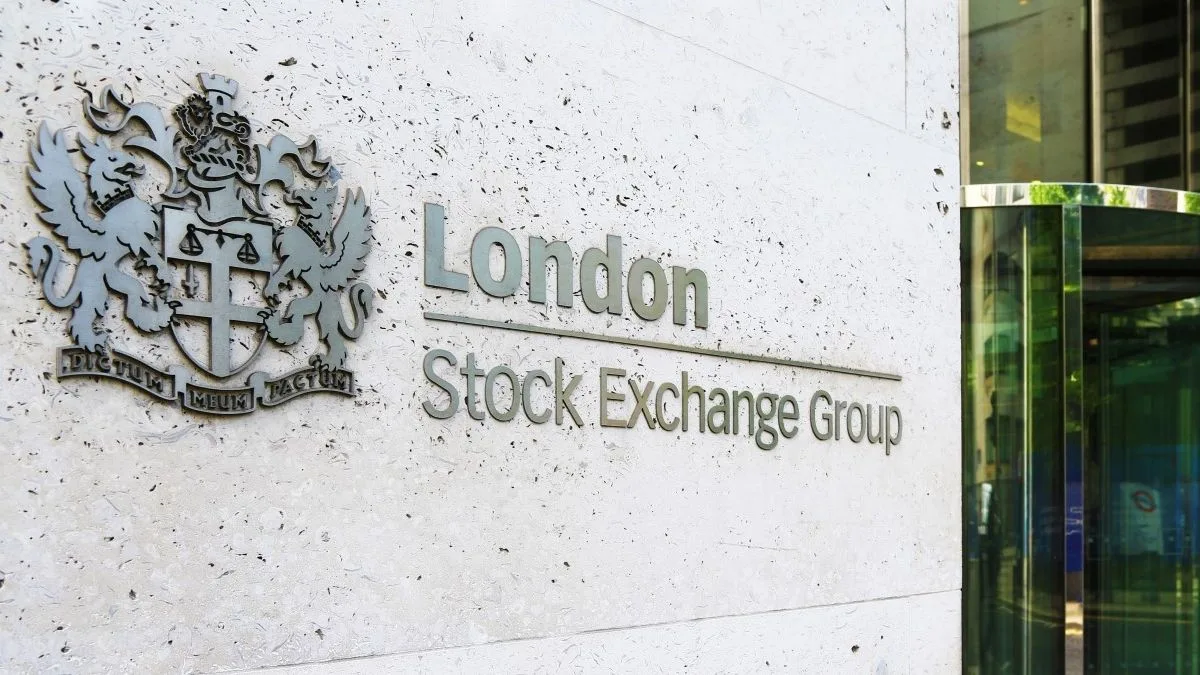
The partnership between the London Stock Exchange and Payward represents one of the most consequential moves yet by a legacy exchange to embrace distributed ledger technology. Rather than treating blockchain as a peripheral experiment, the LSE is embedding it into the core infrastructure of equity markets, targeting the biggest and most liquid UK-listed stocks for onchain issuance and trading.
This initiative signals a broader inflection point. For decades, stock exchanges have relied on centralized clearing and settlement systems that can take days to finalize trades. Blockchain-based infrastructure promises near-instant settlement, reduced counterparty risk, and lower operational costs — advantages that are increasingly difficult for traditional players to ignore.
What ‘Onchain’ Equities Actually Mean for Investors
When equities are brought onchain, their ownership records and transfer mechanics live on a blockchain rather than in traditional central securities depositories. This opens the door to fractional ownership, 24/7 trading windows, and programmable compliance — features that are standard in crypto markets but virtually nonexistent in conventional stock exchanges.
For everyday investors, the practical implications could be significant. Faster settlement times, access to markets that previously required intermediaries, and the potential for new financial products built on top of tokenized equities are all on the table. However, regulatory frameworks in the UK and EU will need to evolve to accommodate these new structures before mass adoption becomes realistic.
Why Payward Was Chosen as the Partner
Payward operates one of the most recognized cryptocurrency exchanges in the world and has spent years building infrastructure that bridges traditional finance and digital assets. Its experience with custody, compliance, and blockchain integration makes it a natural counterparty for an exchange of the LSE’s stature. The collaboration is widely viewed as a validation of the idea that legacy market infrastructure and decentralized technology are not mutually exclusive — they are complementary.
The Bigger Picture: A Global Trend Taking Shape
The LSE-Payward partnership does not exist in isolation. Exchanges and financial institutions around the world are exploring tokenization as a way to modernize markets. From European bond issuances on blockchain to US-based pilots for Treasury tokenization, the momentum behind onchain financial instruments is building rapidly. The question is no longer whether traditional markets will adopt blockchain technology, but how quickly and at what scale.
The LSE’s decision to work with Payward on its largest equities suggests that the transition has moved beyond experimentation and into execution. If successful, this initiative could become a template for other major exchanges considering similar integrations — potentially rewriting the rules of global equity markets in the process.