


The High Cost of Financial Silence
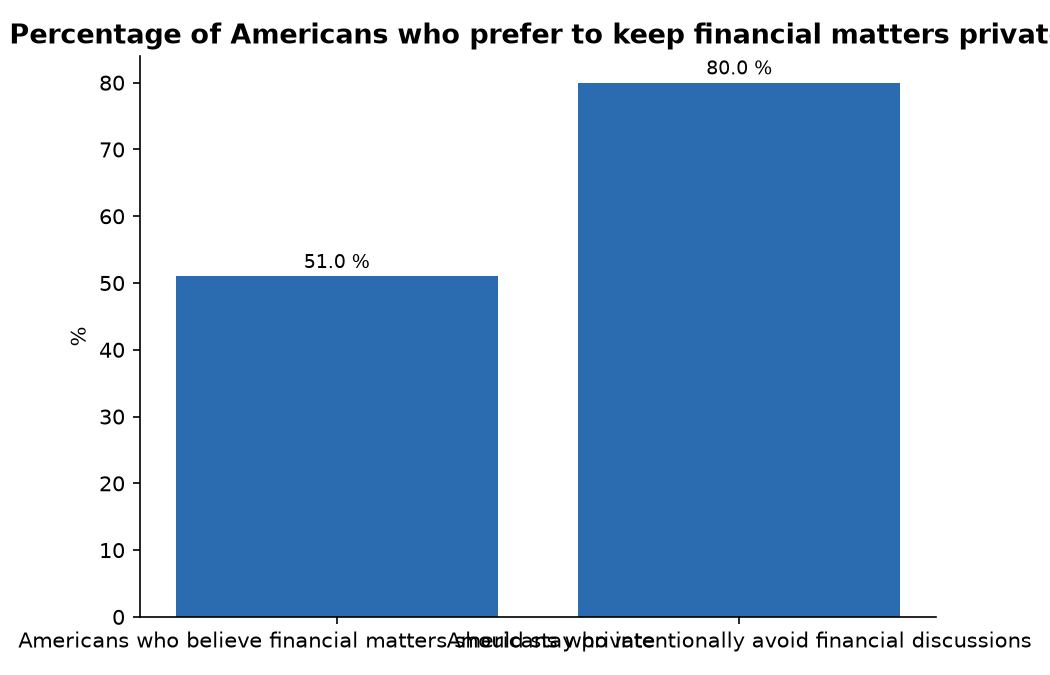
For many, discussing money feels like an intrusion into private territory. This discomfort often leads to a dangerous habit: avoidance. When individuals bypass difficult conversations about debt, retirement, or investment strategies, they aren’t just avoiding awkwardness—they are delaying critical decision-making.
Financial issues have a unique way of compounding. Just as interest accumulates on a debt, the opportunity cost of missed investments and delayed planning grows over time. What begins as a small, uncomfortable topic can quickly snowball into a significant financial burden that is much harder to manage later in life.
Independence vs. Isolation
There is a common misconception that being financially independent means being entirely self-reliant. People often fear that asking for guidance or discussing their bank statements with others is a sign of weakness or lack of capability. However, there is a vital distinction between independence and isolation.
- Financial Independence is about taking ownership of your future and making informed choices.
- Financial Isolation is the act of managing complex matters alone due to fear or embarrassment, often leading to mistakes.
In reality, seeking expert advice or discussing goals with a partner doesn’t diminish your control; it enhances it by providing accountability and diverse perspectives that a single individual might overlook.
Building Your Financial Support System
Transitioning from financial avoidance to proactive wealth building requires a structured approach. You don’t need to master every nuance of the market overnight, but you do need a reliable team to help navigate the complexities of life.
1. Identify Trusted Mentors
Look for individuals in your circle—friends, family members, or mentors—who have demonstrated responsible financial habits. These people can offer valuable perspectives and help normalize the conversation around money.
2. Engage Professional Expertise
As financial landscapes become more intricate—especially regarding tax implications, estate planning, or complex investment vehicles—having a qualified professional in your corner is essential. A professional acts as a navigator, helping you avoid pitfalls that could derail your long-term goals.
3. Establish Regular Check-ins
Financial health is not a ‘et it and forget it’ endeavor. Whether it is a periodic review with a spouse or a quarterly meeting with a financial advisor, consistent communication ensures that your actions remain aligned with your evolving life goals.
Conclusion
The choice to ignore your finances compounds just as powerfully as the choice to act on them. While inaction creates obstacles and anxiety, proactive engagement—supported by a team of trusted advisors and loved ones—builds the confidence necessary to achieve lasting prosperity.