

A Shift in Leadership and Strategy
The landscape of Berkshire Hathaway is undergoing a significant transformation. While Warren Buffett remains the guiding light as chairman, the day-to-day management of the massive stock portfolio has transitioned to CEO Greg Abel. This leadership change has already manifested in a distinct shift in how the conglomerate deploys its vast capital reserves.
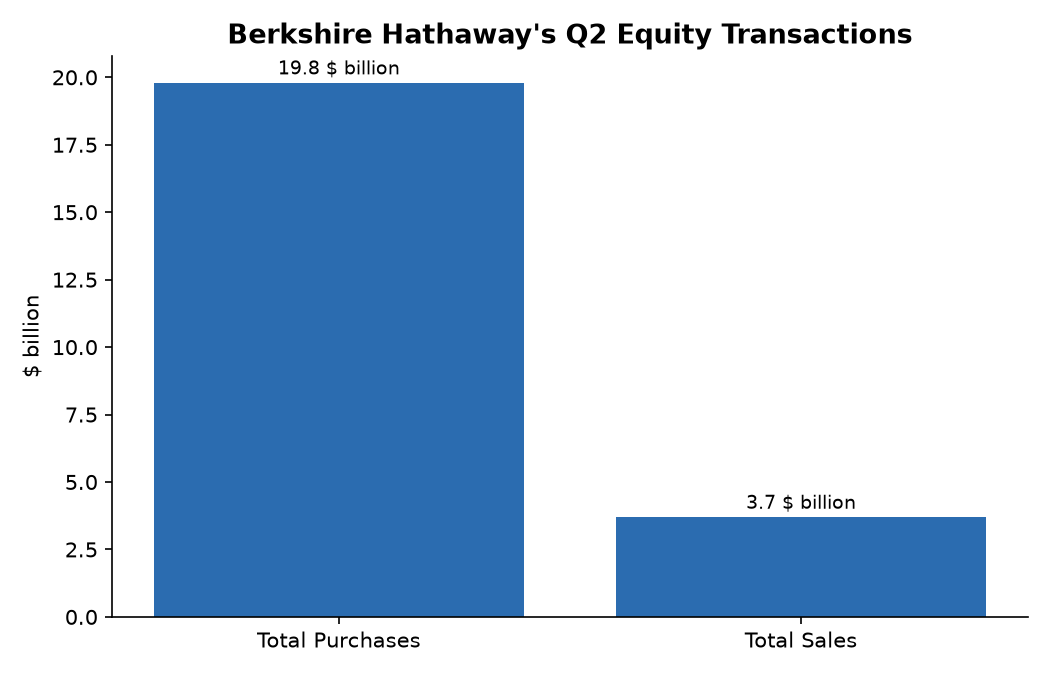
In a notable departure from recent trends, the company has moved from easing up on equity purchases to becoming a net buyer. During the second quarter, the conglomerate engaged in massive stock purchases totaling $19.8 billion, far outweighing its $3.7 billion in sales. This aggressive stance is accompanied by a robust share repurchase program, with $4.5 billion spent on buybacks in a single quarter—the highest level seen since 2021.
Concentrated Bets and Strategic Pivots
Despite the change in management, Berkshire maintains its signature philosophy of high concentration. The company’s top ten U.S. equity holdings represent a staggering 88% of its total portfolio value. This focus allows the firm to make meaningful moves in specific sectors, even as it fine-tunes its exposure to legacy industries.
The Rise of Tech Giants
One of the most striking developments is the massive expansion into Alphabet. Through private placements, the company has significantly boosted its stake in the Google parent company, which has now climbed to become the 4th largest holding in the portfolio. This move signals a strong bet on the future of digital infrastructure, cloud computing, and artificial intelligence.
Sector Rebalancing
The portfolio is also seeing a tactical rebalancing across several sectors:
- Aviation: In a surprising move, the company significantly increased its position in Delta Air Lines, marking a shift from its historical avoidance of the airline industry.
- Financials: While the company maintains a major stake in Bank of America, it has been selectively trimming positions in other banking institutions to optimize its financial sector exposure.
- Consumer Goods: Classic holdings like Coca-Cola remain cornerstones of the strategy, providing stability and consistent dividends.
Managing the Cash Mountain
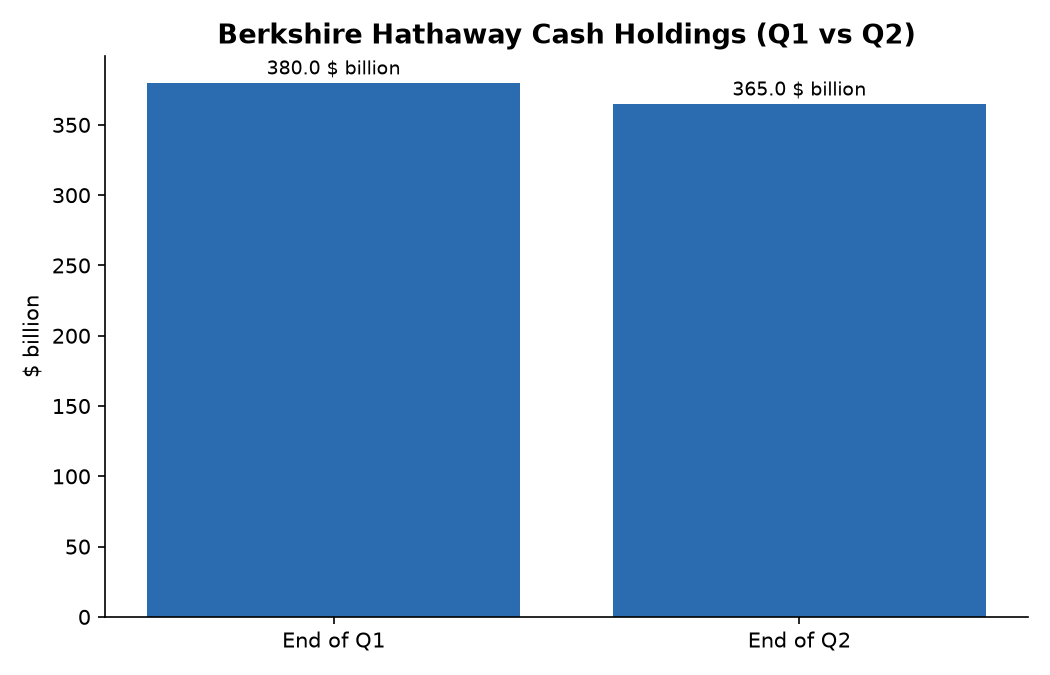
A frequent point of discussion among observers is Berkshire’s enormous cash reserves. While the company still holds a massive amount of liquidity, there is a clear trend toward putting that cash to work. Total cash holdings saw a reduction from $380 billion at the end of the first quarter to $365 billion by the end of the second, reflecting the company’s renewed appetite for equity investments and share buybacks.
Conclusion: Stability Meets Evolution
Under Greg Abel, Berkshire Hathaway is not abandoning its roots but is instead evolving. By combining the legendary long-term vision of its founder with a more active approach to capital deployment and sector rebalancing, the conglomerate is preparing for a new chapter in the global market.