

Beyond the Screen: The Rise of Tangible AI
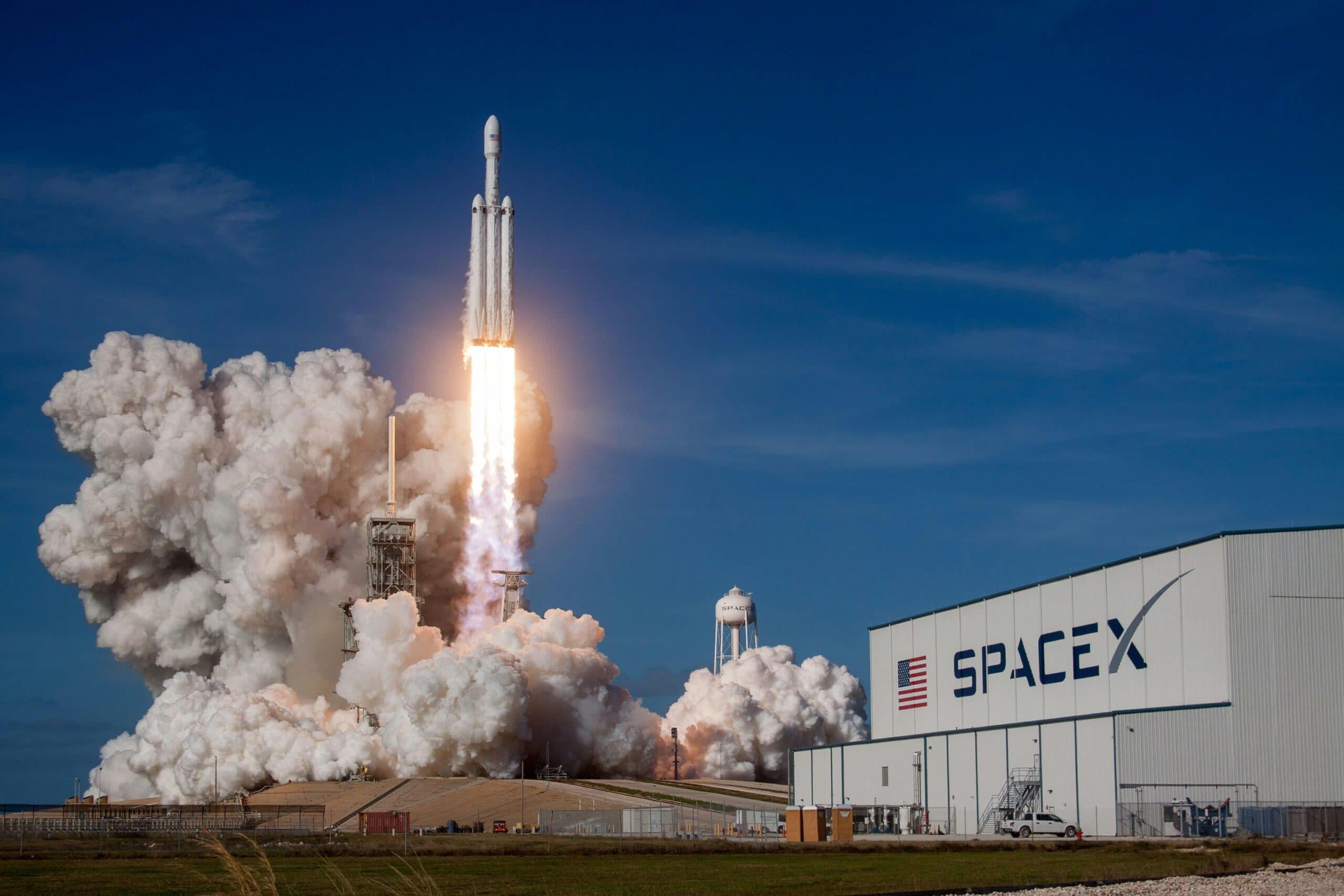
For years, the most visible successes of artificial intelligence have occurred within the digital landscape—generating text, creating images, or optimizing algorithms. However, a massive shift is underway. We are entering an era where AI is gaining a physical presence, moving from the safety of the cloud into the unpredictable complexities of the real world.
This transition represents one of the most significant challenges in modern technology. When AI operates in a digital sandbox, a mistake results in a software bug. When AI operates in the physical world—driving a vehicle, navigating a battlefield, or managing a factory—a mistake can have life-altering consequences.
The Intersection of Code and Matter
The integration of AI into physical systems is creating entirely new sectors of innovation. This evolution is happening across several critical domains:
- Autonomous Systems and Robotics: From humanoid robots to industrial automation, the focus is shifting from mere prototypes to scalable, reliable products that can function in real-world manufacturing environments.
- Edge Computing and Connectivity: For AI to be effective in space, defense, or remote industrial sites, it must function where internet connectivity is limited. This requires a new architectural approach where intelligence is processed locally at the ‘edge.’
- Biological Engineering: Perhaps the most provocative application is the use of AI in biology. Advanced algorithms are now being used to assist in complex genetic engineering, even fueling discussions around the possibility of reviving extinct species through high-tech biological interventions.
The Challenge of Reliability and Scaling
Moving from a laboratory prototype to a mass-produced product is where many deep-tech ventures struggle. The leap requires more than just clever code; it requires robust supply chains, rigorous safety testing, and the ability to navigate complex regulatory landscapes.
As autonomous hardware begins to populate our streets, homes, and industrial zones, the industry must establish a culture of safety. The winners in this new era will not just be those with the most advanced algorithms, but those who can prove their systems are safe, reliable, and ready for the chaotic reality of the physical world.