

A New Era for Asset Ownership
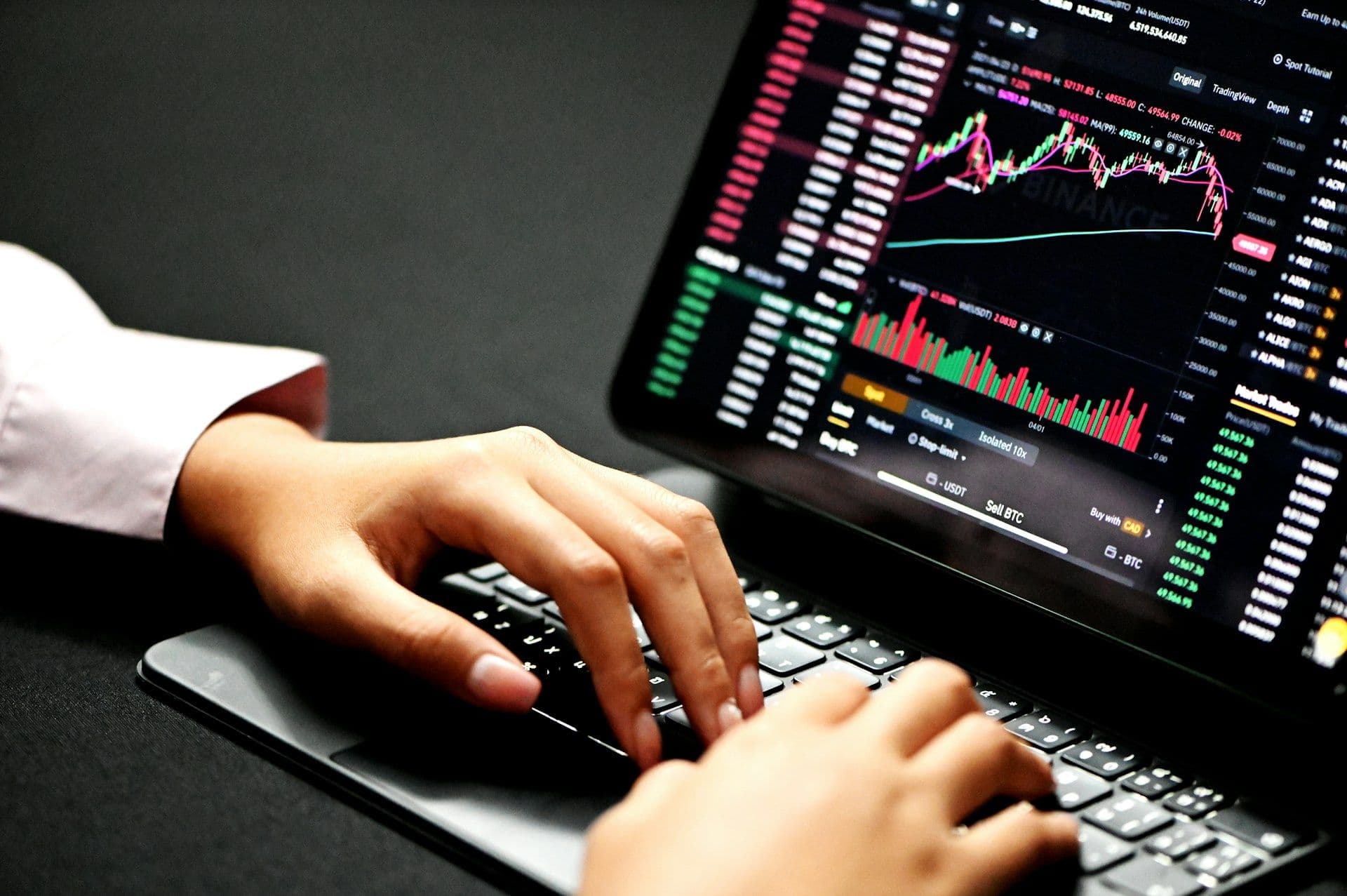
The digital asset landscape is undergoing a fundamental transformation as the boundaries between traditional stock markets and decentralized finance continue to blur. Recent market activity highlights a significant trend: the rapid adoption of tokenized stocks. These digital representations of real-world equities allow investors to trade traditional assets on blockchain networks, offering unprecedented flexibility and 24/7 market access.
Unprecedented Growth in July
The momentum in this sector reached a fever pitch during the month of July. Trading volume for tokenized equities saw an astronomical increase, climbing by 288% compared to previous periods. This surge suggests that both retail and institutional players are increasingly looking toward blockchain-based solutions to diversify their portfolios and streamline their trading processes.
The Dominance of Tech-Focused Tokens
While the overall growth across various asset classes was impressive, the surge was not distributed equally. Market analysis indicates that a single asset class—specifically tokens tracking the Nasdaq-100 index—was the primary driver of this volume. The popularity of these tech-centric tokens reflects a broader market appetite for exposure to high-growth technology companies through the efficiency of decentralized rails.
Why Tokenization Matters for Investors
The shift toward tokenized assets offers several distinct advantages over traditional brokerage models:
- Continuous Markets: Unlike traditional stock exchanges that operate on set schedules, tokenized assets can be traded around the clock.
- Fractional Ownership: Blockchain technology makes it easier to trade small fractions of expensive shares, lowering the barrier to entry for individual investors.
- Enhanced Transparency: The immutable nature of blockchain provides a clear, real-time audit trail for ownership and transactions.
As the infrastructure for these assets matures, the distinction between a ‘crypto asset’ and a ‘traditional stock’ may become increasingly academic, leading to a more unified global liquidity pool.