


The Paradox of Success: High Income vs. Low Net Worth
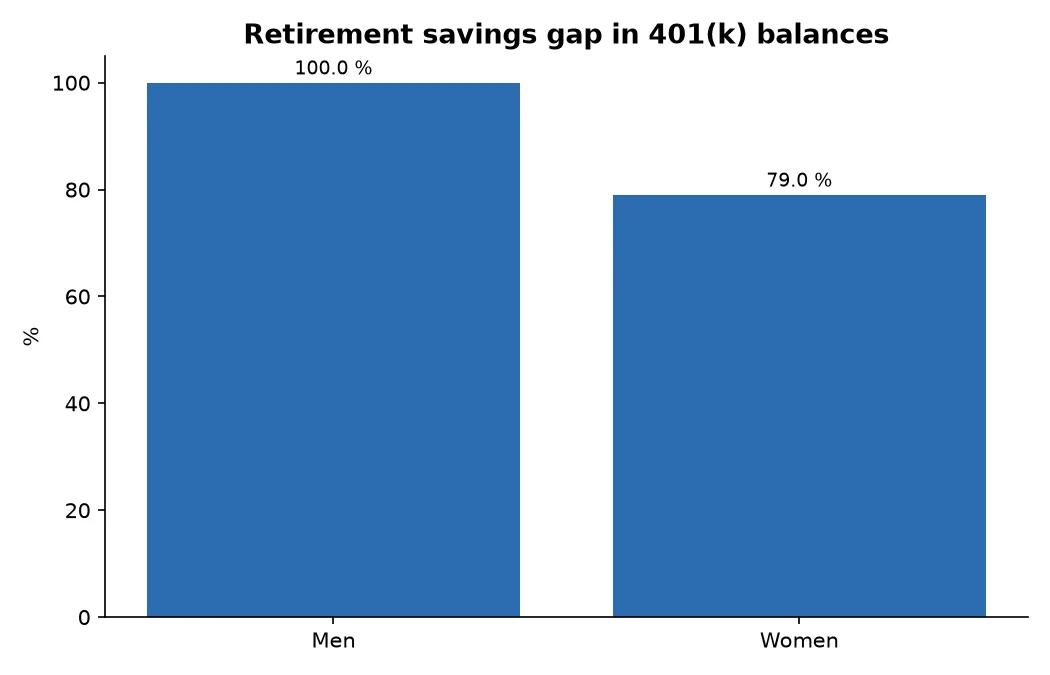
For many professional women, the peak of their career is a time of unprecedented earning potential. However, a striking financial reality is emerging: high income does not always translate into high retirement wealth. Recent data indicates a significant discrepancy in how wealth is accumulated toward the end of a career.
Despite saving at rates comparable to their male counterparts, women often find themselves with substantially lower retirement account balances. This gap is particularly concerning given that women generally enjoy longer lifespans, meaning their accumulated assets must last much longer to cover potential healthcare and living expenses.
The Invisible Risk: Over-Conservatism
One of the most common pitfalls for high-earning professionals is the unintentional shift toward overly conservative portfolios. In an attempt to protect accumulated wealth, many investors increase their allocation to bonds and cash as they approach retirement age.
While stability is important, an excessive focus on safety creates a hidden risk: opportunity cost. By holding too much cash or low-yield bonds, investors may fail to achieve the growth necessary to outpace inflation. When a portfolio is too conservative, it risks failing to sustain a retirement that could span three decades or more.
Strategic Asset Location: Minimizing the Tax Bite
It is not just about how much you invest, but where you hold those investments. For those in the highest tax brackets, the distinction between asset types and account types becomes critical for long-term wealth preservation.
- Tax-Deferred Accounts: Accounts like 401(k)s and traditional IRAs are ideal for investments that generate ‘ordinary income,’ such as taxable bond interest. By holding these here, you defer taxes until withdrawal, allowing the full amount to compound.
- Taxable Brokerage Accounts: These are better suited for ‘capital appreciation’ investments, such as stocks or certain ETFs. Since these assets grow through price appreciation rather than immediate dividends, they benefit from more favorable long-term capital gains tax rates when eventually sold.
Diversification Beyond the Portfolio
For executives and high-level professionals, wealth is often tied to more than just a single retirement account. It frequently involves a complex mix of restricted stock units (RSUs), stock options, and equity compensation.
A major risk for high-earning women is unintentional concentration. If a significant portion of your net worth is tied to your employer’s stock, your financial security becomes overly dependent on a single company’s performance. A coordinated strategy is essential to diversify these concentrated positions, ensuring that your lifestyle is protected even if your industry or employer faces volatility.
Closing the retirement gap requires moving beyond simple saving. It requires intentionality in asset location, a balanced approach to risk, and a holistic view of all financial holdings.