


A Growing Divide in High-Tech Trade
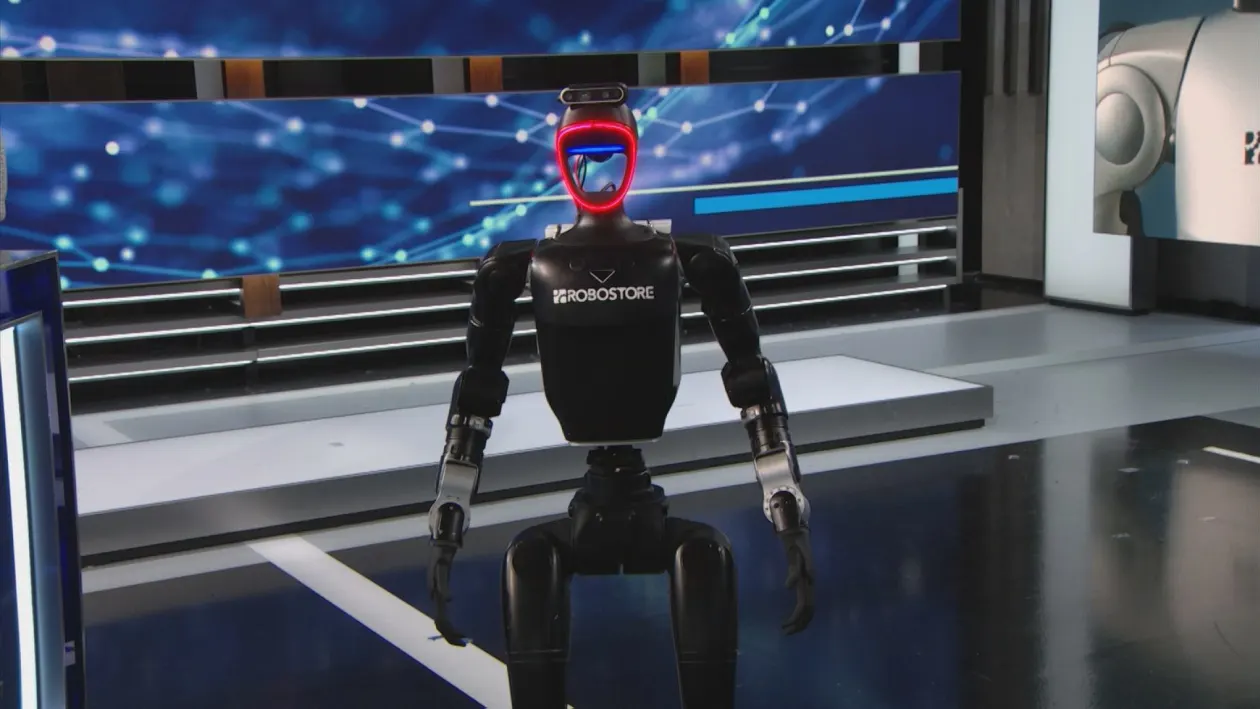
The landscape of international technology trade is facing a significant tremor. China’s commerce ministry has issued a stern warning to the United States, claiming that recent U.S. regulatory actions are causing severe damage to bilateral economic and trade stability. This escalation follows a recent decision by the U.S. Federal Communications Commission (FCC) to restrict imports of advanced foreign-made robotic devices, including humanoids, citing cybersecurity concerns.
While the FCC has not explicitly named a specific country in its recent directive, the timing and nature of the ban have pointedly targeted the growing Chinese robotics sector. This regulatory shift creates a volatile environment for manufacturers who are increasingly looking toward global markets to fuel their growth.
The High Stakes of the Robotics Race
The impact of these restrictions extends far beyond simple trade numbers; it threatens the momentum of the entire humanoid robotics industry. Analysts suggest that this move could disrupt the financial plans of major Chinese robotics players who are currently preparing for Initial Public Offerings (IPOs).
If the U.S. maintains its current trajectory of tech restrictions, China has two primary levers for retaliation:
- Rare Earth Mineral Restrictions: Limiting the export of critical minerals essential for high-tech manufacturing to American firms.
- Market Access Reciprocity: Restricting Chinese market access for major U.S. tech giants, such as Tesla and NVIDIA.
Market Volatility and Global Implications
The market reaction has already begun to manifest. Following the news, shares of UBTech, a prominent Hong Kong-listed robotics company, experienced a brief drop of over 6% during morning trading. This volatility is expected to continue as investors weigh the potential for a prolonged tech standoff.
The geopolitical context is equally critical. With high-level diplomatic meetings scheduled for September, the tech conflict is adding a layer of complexity to U.S.-China relations. As the U.S. seeks to protect its technological leadership—particularly in the field of Artificial Intelligence—China is signaling that it will not accept unilateral bans without consequences.
As the race for AI and robotic supremacy intensifies, the line between national security and economic protectionism continues to blur, leaving global tech companies in a state of strategic uncertainty.
Reported via CNBC


