


A Pivotal Moment for Digital Asset Regulation
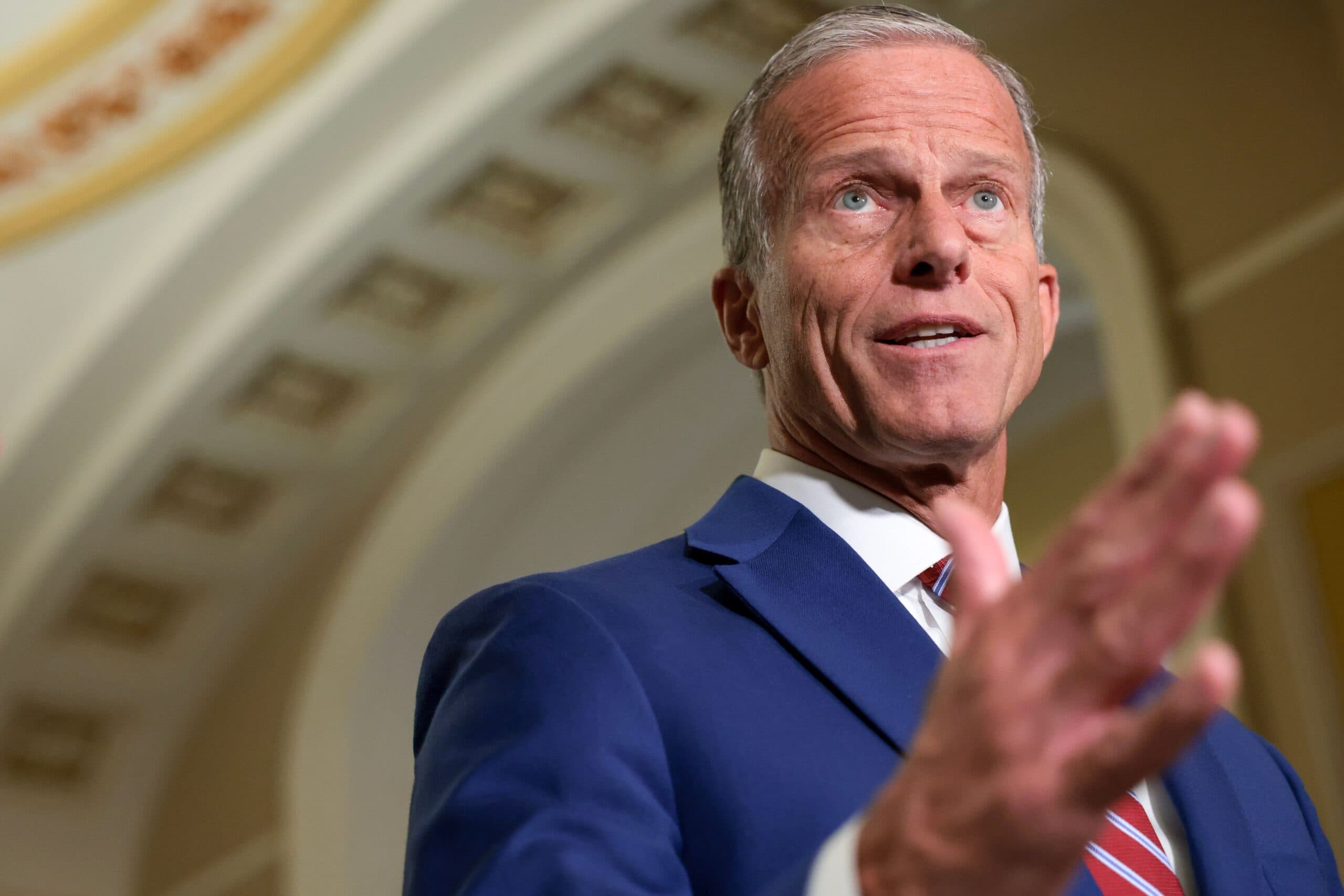
The landscape of the American cryptocurrency market is on the verge of a significant transformation. The U.S. Senate has officially commenced the first stage of voting for a legislative package designed to provide much-needed legal certainty to the digital asset industry. This process is a crucial prerequisite for a broader vote expected to take place next month.
For years, the industry has operated in a state of regulatory ambiguity, with different agencies often providing conflicting guidance on which assets are classified as securities versus commodities. This new legislative effort aims to bridge that gap, providing a clear roadmap for both investors and service providers.
What the Proposed Legislation Means for the Industry
The core objective of this legislative movement is to establish a standardized framework that integrates digital assets into the existing financial regulatory structure. If passed, the implications would be far-reaching:
- Enhanced Market Stability: Clearer rules of engagement could attract more institutional capital, reducing the volatility often associated with unregulated markets.
- Consumer Protection: By defining specific responsibilities for exchanges and custodians, the law aims to safeguard retail investors from fraudulent practices.
- Innovation Clarity: Startups and established tech firms would gain the ability to build products with a predictable legal foundation, reducing the risk of sudden enforcement actions.
The Path Ahead
The current stage of voting is merely the beginning of a complex legislative journey. The upcoming votes in the Senate will determine whether the bill gains enough momentum to move toward a full floor vote. The industry is watching closely, as the outcome could redefine the relationship between federal regulators and the burgeoning decentralized finance sector.
As the Senate moves through these procedural steps, the focus remains on whether the final text will satisfy the demands of both market innovators and regulatory advocates seeking maximum oversight.