


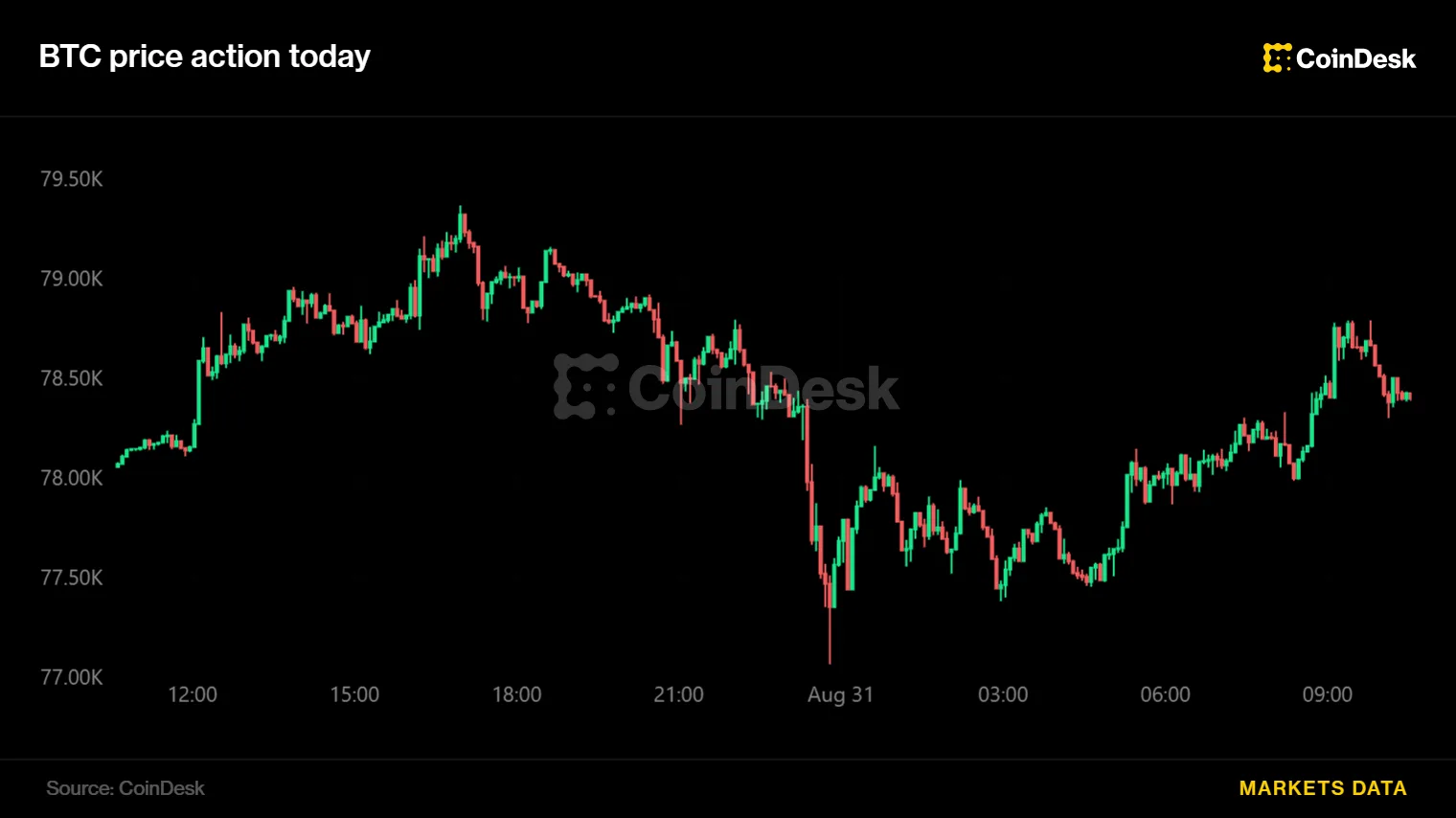
Bitcoin Shrugs Off Geopolitical Escalation
Traditional safe-haven assets like gold and the U.S. dollar typically rally when tensions flare between nations. This time, however, Bitcoin is telling a different story. The cryptocurrency has shown remarkably little volatility in response to the latest round of U.S. military strikes on Iranian targets, defying the pattern that once defined crypto’s relationship with global conflict.
Instead of panic selling or a flight to alternatives, market participants appear to be treating the strikes as a contained event — one that does not fundamentally alter the macroeconomic picture driving digital asset valuations.
A Strong Month Despite the Noise
Even with the Middle East front pages dominating news cycles, Bitcoin’s monthly chart is painting a notably optimistic picture. The asset is tracking toward its best monthly close since November 2024, a period that saw a surge in institutional interest and favorable regulatory momentum in the United States.
This resilience suggests that the broader bull catalysts — ranging from institutional adoption trends to shifting monetary policy expectations — are currently outweighing the bearish pressure that geopolitical crises traditionally exert on risk assets.
Why Isn’t Bitcoin Reacting?
Several factors help explain the muted response. First, the crypto market has matured considerably since the early days when geopolitical headlines would trigger sharp swings. Larger institutional players and longer-term holders tend to view regional conflicts through a wider lens, weighing them against structural trends rather than reacting to headlines alone.
Second, the strikes appear to have been anticipated by markets to some degree. When events are partially priced in, the actual occurrence often produces a muted effect — a phenomenon well-documented across equities, commodities, and now digital assets.
Third, Bitcoin’s narrative as a decentralized, borderless store of value may actually be reinforcing its stability during this period. Rather than fleeing the asset, some investors may be doubling down on the thesis that geopolitical fragmentation strengthens the case for non-sovereign money.
What It Means for Investors
The current disconnect between geopolitical turmoil and Bitcoin’s price action sends a clear signal: digital assets are no longer trading purely as speculative risk-on instruments. The market is increasingly influenced by structural drivers — regulatory developments, institutional flows, and macroeconomic conditions — that can override short-term geopolitical shocks.
For investors, this is both reassuring and a reminder to look beyond the headlines. While conflicts always warrant attention, Bitcoin’s behavior this month underscores that its price discovery mechanism is becoming more sophisticated and less reflexive than it was even a year ago.
The Bigger Picture
As the month draws to a close, all eyes will be on whether Bitcoin can hold its ground and seal its best monthly performance in over a year. If it does, it will mark a meaningful milestone — one that reinforces the evolving maturity of crypto markets and their ability to weather storms that once would have sent them reeling.