


The Core Philosophy of Value Investing
At its heart, value investing is the practice of purchasing shares that are trading for less than their intrinsic worth. Unlike growth investing, where investors pay a premium for expected future dominance, value investors look for companies whose current stock price doesn’t quite reflect their underlying financial health.
The goal is simple yet challenging: identify a stock that the market has overlooked or mispriced, and hold it until the rest of the market recognizes its true value, driving the share price upward.
Essential Metrics for Evaluating Stock Value
Determining whether a stock is a bargain or a ‘value trap’ requires a deep dive into financial data. Because no single metric is perfect, professional investors typically use a combination of the following indicators:
- Price-to-Earnings (P/E) Ratio: This is a snapshot of how much investors are willing to pay for every dollar of a company’s earnings. While the ‘trailing P/E’ uses actual historical data, it can be limited by looking backward rather than forward.
- Forward P/E Ratio: This metric adjusts the equation by using projected earnings instead of historical ones. This aligns more closely with market expectations, though it relies on analyst forecasts rather than hard data.
- Price/Earnings-to-Growth (PEG) Ratio: This is often considered one of the most robust tools. By dividing the P/E ratio by the company’s expected earnings growth rate, it balances cost against potential. Generally, a PEG ratio below 1.0 suggests a stock is undervalued relative to its growth potential.
How to Build a Value-Oriented Portfolio
Finding high-quality value stocks requires a disciplined screening process. To filter out noise and focus on high-conviction opportunities, consider these criteria:
- Market Presence: Focusing on established indices ensures you are looking at companies with significant market capitalization and liquidity.
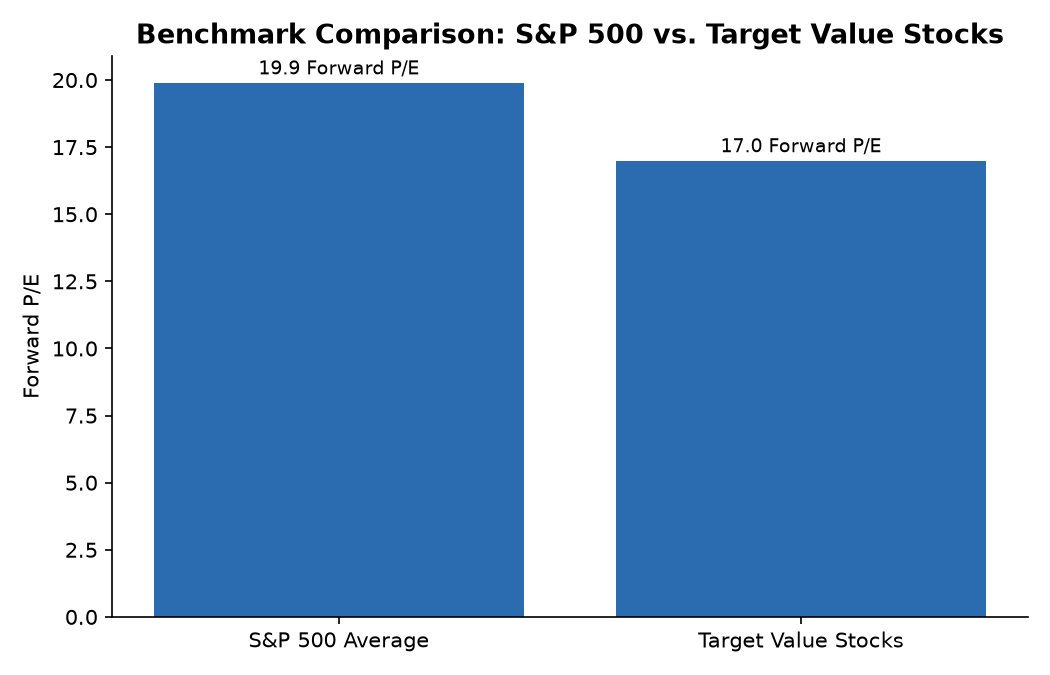
- Relative Valuation: A stock’s P/E ratio should be compared against the broader market average to ensure it is actually ‘cheap.’
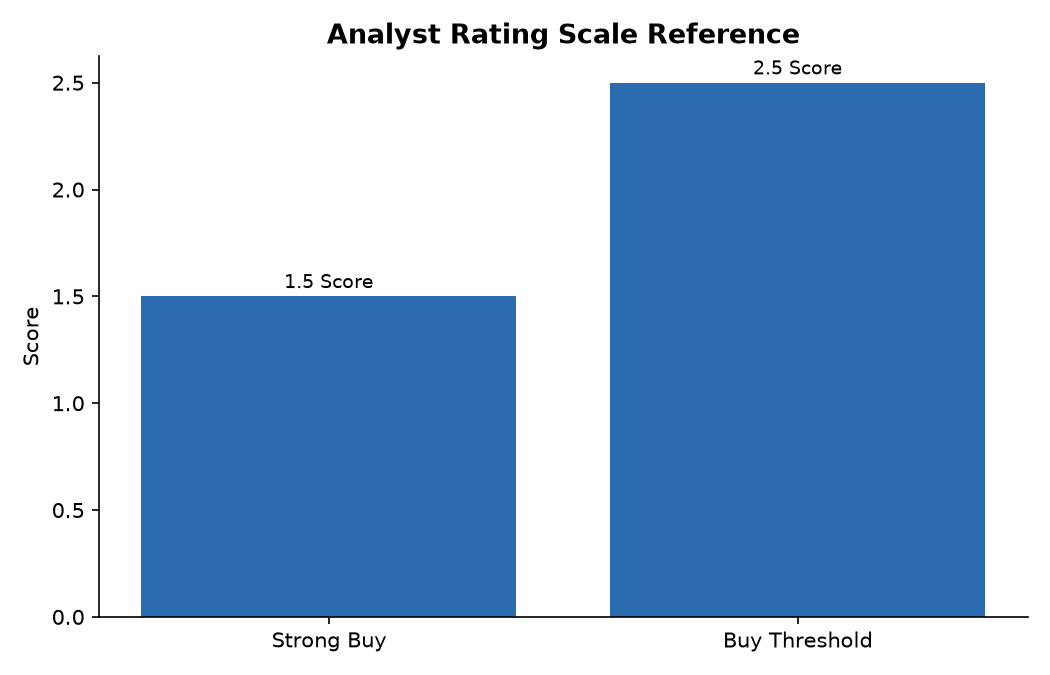
- Analyst Consensus: Looking for stocks with high ‘Buy’ ratings from multiple financial experts provides an extra layer of validation.
- Dividend Yield: Value stocks often belong to mature companies that return excess cash to shareholders. A solid dividend yield can provide a safety net and a steady income stream while you wait for price appreciation.
By combining these quantitative metrics with a qualitative understanding of a company’s fundamentals, investors can move away from speculation and toward a more strategic, data-driven approach to wealth creation.