

A Surprising Shift in Employment Trends
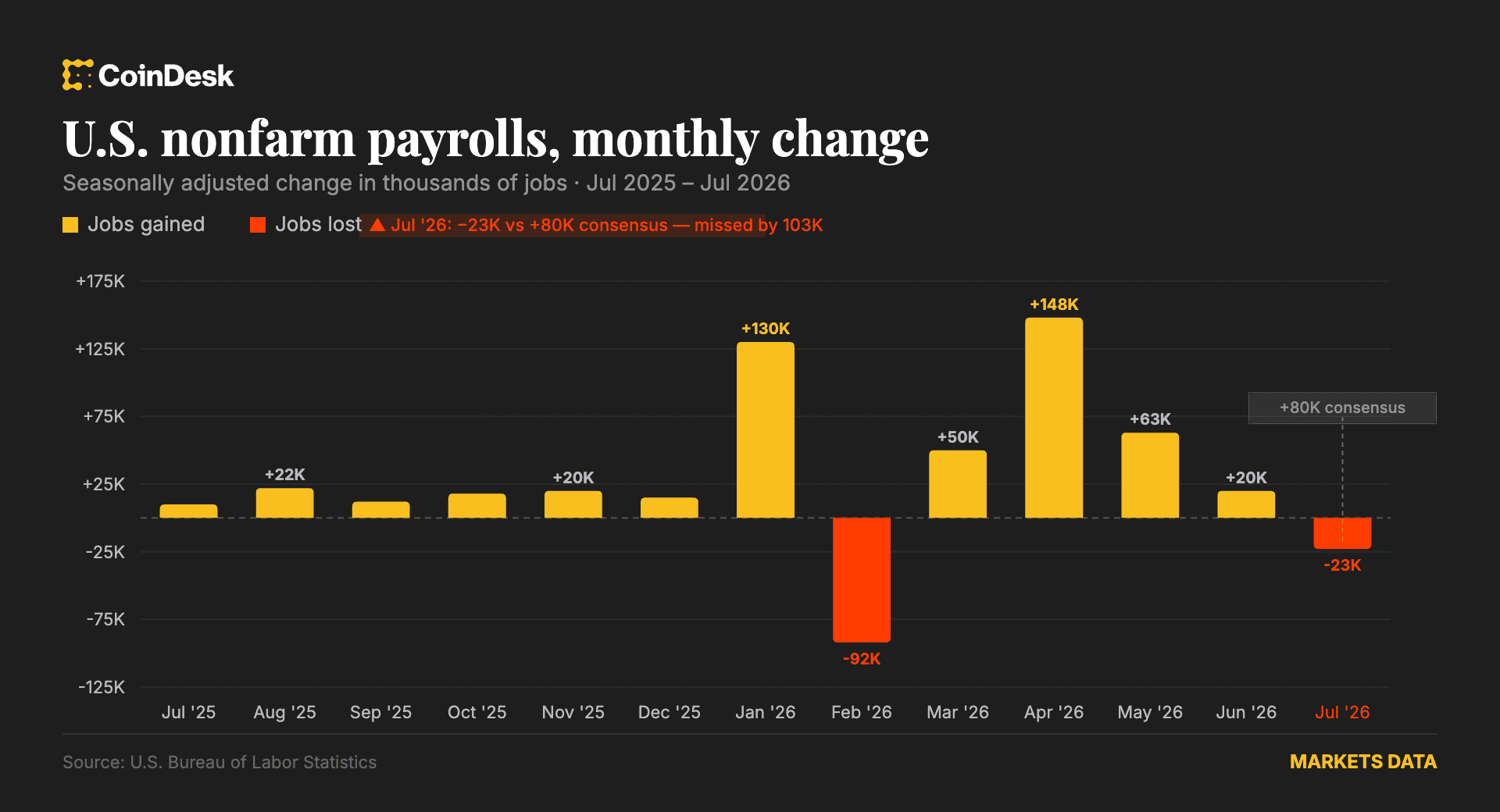
The American labor market, which has shown remarkable resilience throughout much of the past year, has hit an unexpected bump in the road. Recent monthly data indicates a contraction in total employment, with the economy losing 23,000 jobs during the month of July. This decline was not anticipated by most market analysts, who had generally expected continued, albeit slower, growth.
This sudden downturn suggests that the cooling effects of sustained high interest rates are finally penetrating deeper into the economy. As borrowing costs remain elevated, businesses are beginning to scale back their hiring efforts or reduce their overall workforce to optimize costs in a tightening economic environment.
Implications for Federal Reserve Strategy
The unexpected loss of jobs brings the Federal Reserve’s current monetary stance into sharp focus. For several months, the central bank has focused heavily on combating inflation, primarily through a series of aggressive interest rate hikes. However, the priority of policymakers is a delicate balancing act: cooling inflation without triggering a significant economic downturn or a spike in unemployment.
This latest data point complicates the decision-making process for the Fed. If the labor market continues to weaken, the pressure to pivot from an anti-inflationary stance to a more supportive, dovish stance will intensify. Policymakers must now weigh the risk of keeping rates high for too long—potentially causing a recession—against the risk of cutting rates too early and allowing inflation to rebound.
What This Means for the Broader Economy
For the average consumer and investor, this shift signals a period of heightened uncertainty. A cooling labor market can lead to several outcomes:
- Reduced Consumer Spending: As job security becomes a greater concern, households tend to tighten their belts, which can slow down overall economic growth.
- Market Volatility: Financial markets react sharply to employment data, as it serves as a primary indicator for future central bank actions.
- Shift in Economic Focus: The narrative is rapidly shifting from ‘how high will rates go’ to ‘how long will rates stay high’ and ‘when will they start to fall.’
As we move into the next quarter, all eyes will be on the upcoming employment reports to determine if this job loss was a statistical anomaly or the beginning of a broader trend in the US economy.