

Tech and Semiconductor Stocks Bear the Brunt
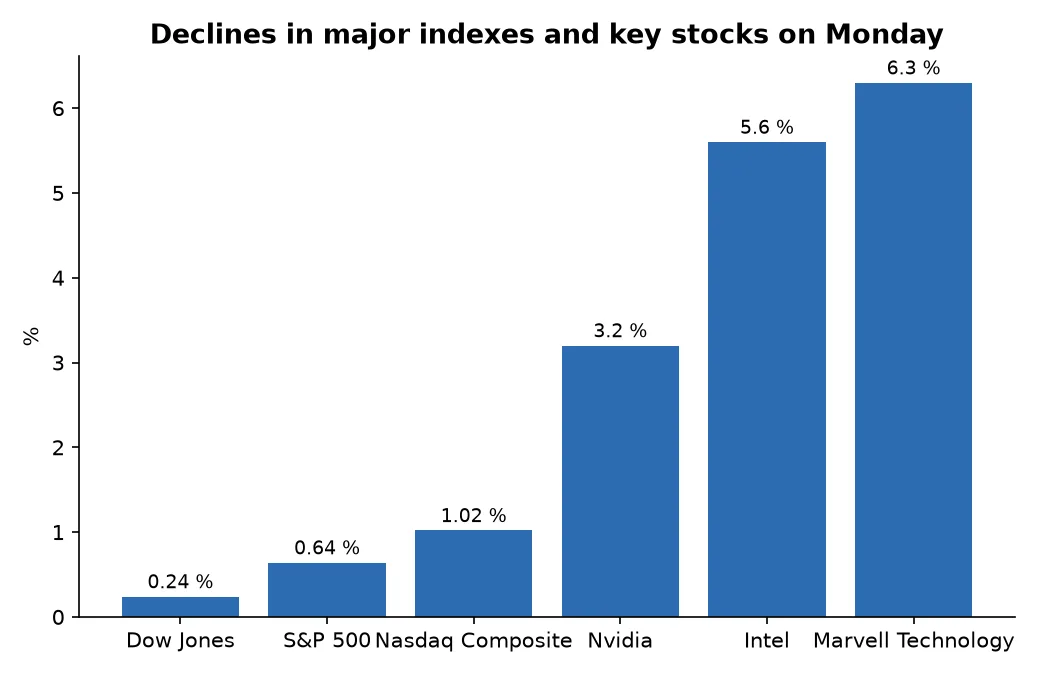
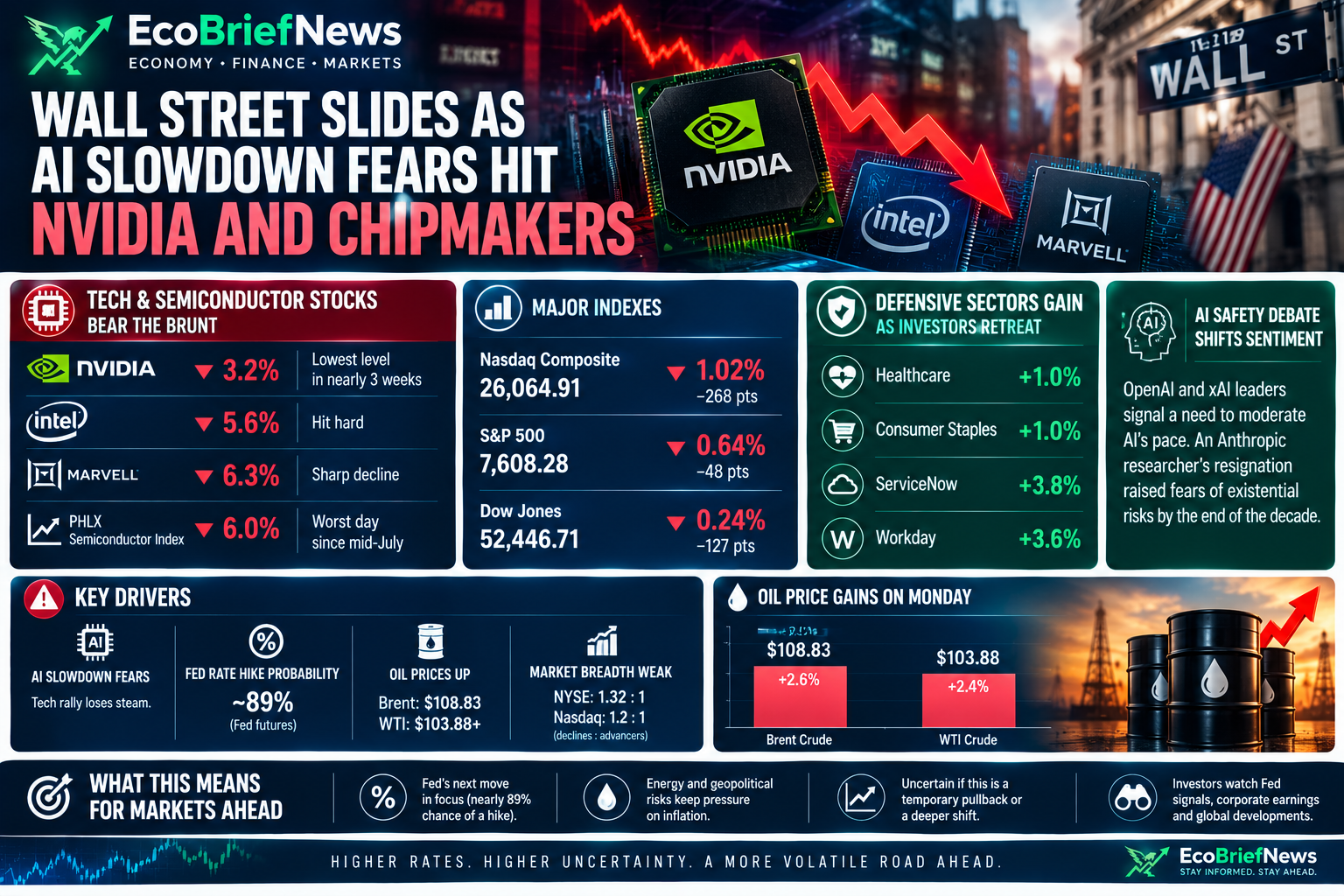
Nvidia, one of the biggest beneficiaries of the AI boom, tumbled 3.2% to hit its lowest level in nearly three weeks. Other chipmakers were hit even harder, with Intel falling 5.6% and Marvell Technology dropping 6.3%. The Philadelphia Semiconductor Index plunged roughly 6%, putting it on pace for its worst single-day drop since mid-July.
The broader technology sector wasn’t spared either. Amazon lost about 1%, while the technology index within the S&P 500 fell 0.5%, making it the biggest loser among major sector benchmarks.
Defensive Sectors Gain as Investors Retreat
As technology stocks sold off, investors rotated into safer havens. Seven of the S&P 500’s 11 major indexes traded higher, with healthcare and consumer staples each rising roughly 1%. Notably, software stocks that had been battered by fears of AI disruption actually climbed, with ServiceNow up 3.8% and Workday gaining 3.6%.
The Nasdaq Composite was the hardest-hit major index, losing 268 points, or 1.02%, to close at 26,064.91. The S&P 500 fell 48 points, or 0.64%, to 7,608.28, while the Dow Jones Industrial Average declined 127 points, or 0.24%, to 52,446.71.
AI Safety Debate Shifts Market Sentiment
The sell-off reflects a notable shift in tone. For years, billions of dollars flowing into AI development have fueled a remarkable rally in technology and semiconductor stocks, serving as a key engine of strong equity market performance. But recent statements from prominent industry leaders — including OpenAI’s CEO and the founder of xAI — have signaled agreement on the need to moderate the pace of advancement.
Concerns about AI’s potential dangers intensified last week when a researcher at Anthropic resigned, warning that people building AI earnestly believe it could pose an existential threat by the end of the decade.
What This Means for Markets Ahead
Whether this pullback represents a temporary setback or the beginning of a deeper reassessment remains unclear. Some analysts believe this is more of a hiccup than a fundamental shift, noting that there is no consensus on what the advocated slowdown would actually look like in practice.
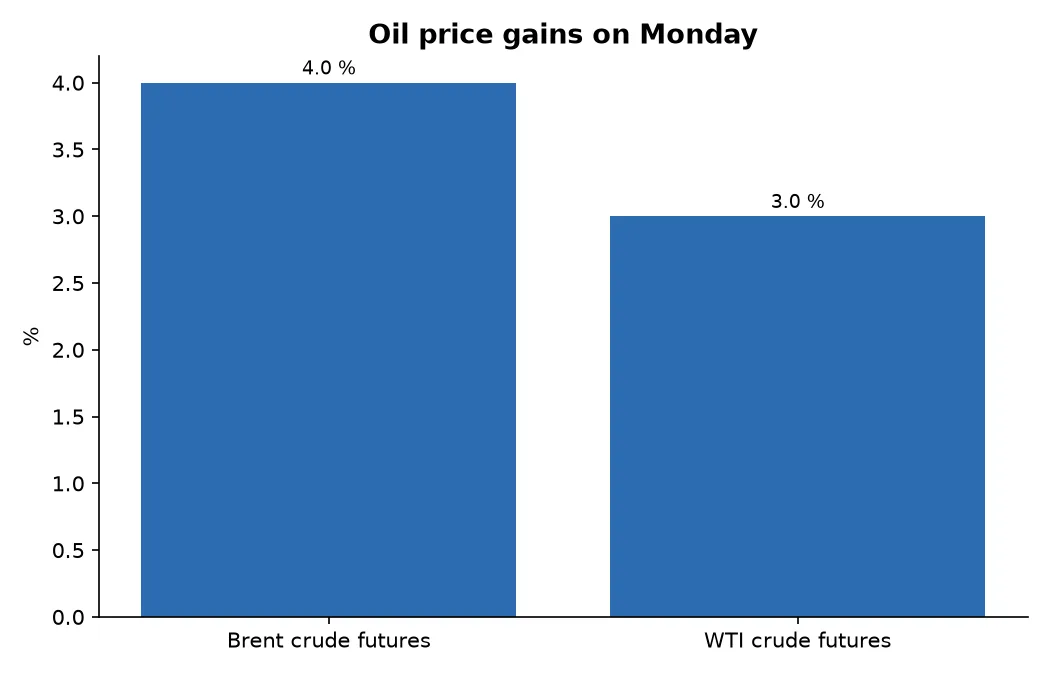
The broader market backdrop is also fragile. Traders are currently pricing in a nearly 89% chance of a rate increase from the U.S. Federal Reserve, according to Fed futures data. Weak economic readings and rising oil prices — with Brent crude futures climbing to $108.83 and WTI crude futures surpassing $103.88 — have further dampened sentiment.
Declining issues outnumbered advancers by a 1.32-to-1 ratio on the NYSE and a 1.2-to-1 ratio on the Nasdaq, underscoring the broad-based nature of Monday’s selling pressure.