

The Longest Hiatus Since the Great Depression
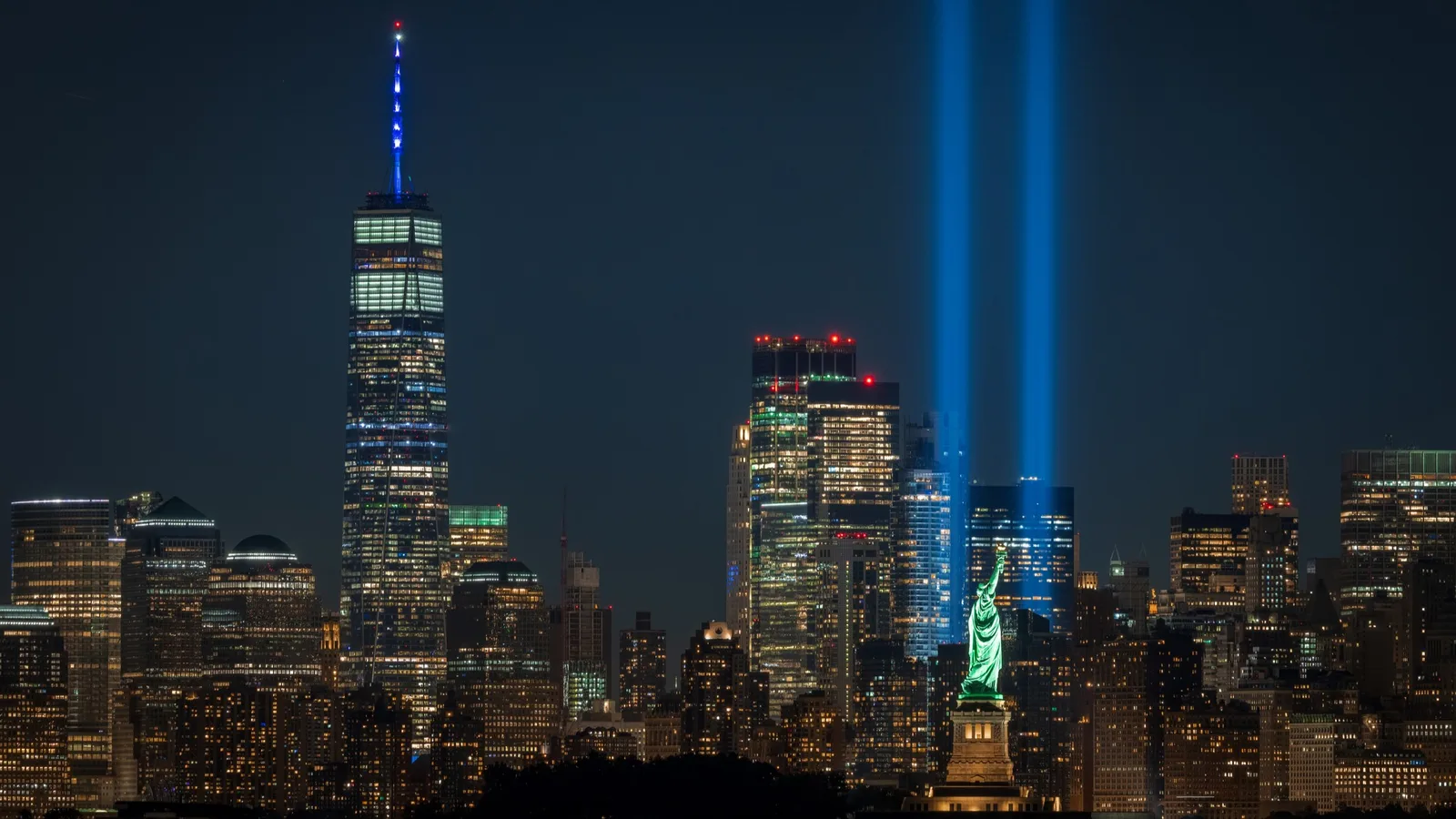
Wall Street shut down for six days after the September 11 attacks — the longest closure since the Great Depression. When trading finally resumed on September 17, the Dow Jones Industrial Average plunged more than 7%, deepening a bear market that had already begun with the dot-com crash in March 2000. What followed was a brutal « Lost Decade » of recession, partial recovery, and another downturn that didn’t fully bottom out until 2010.
Yet the markets did reopen — roughly 3,500 feet from the fallen World Trade Center — and they eventually recovered. The real question is what that experience taught the people who lived through it.
Price Fear First, Facts Later
Liz Ann Sonders, chief investment strategist at Charles Schwab, was aboard a plane departing Newark on the morning of the attacks. From her window seat, she watched the unimaginable unfold across the Hudson River.
« The market’s job in a crisis is not to make sense — it’s to price fear first and facts later, » she says. That insight has guided her through every subsequent shock: the global financial crisis, the pandemic, and geopolitical upheavals.
The key takeaway? Investors whose plans were built before the crisis consistently outperformed those who reacted in the moment. Impulse is the enemy.
Don’t Predict the Next Crisis — It Won’t Resemble the Last One
Jim Shagawat, a certified financial planner at AdvicePeriod, offers a corollary: after any major shock, people naturally want to prepare for what comes next. But the next crisis will look nothing like the last one.
Behavioral economists call this « recency bias » — the tendency to assume the past will repeat. Shagawat’s advice is straightforward: trust the plan you built with a clear head, not the rearview mirror.
Institutions Don’t Flee — And Neither Should You
Melissa Caro, founder of My Retirement Network, was an equity trader on the buy side when the markets reopened a week after 9/11. She noticed something striking: the big institutional players were cautious, almost reverent. « Don’t bet against America » was the mood on the floor.
That restraint wasn’t just patriotism — it reflected a deeper truth about how Wall Street operates. Large players don’t unwind positions because of a single tragic event. Caro says recognizing this helps retail investors stay calm during black-swan moments. The lesson isn’t blind trust in institutions; it’s understanding that panic-selling is rarely the right move.
Invest in Companies, Not Markets
Shane Tenny, a managing partner at Spaugh, Dameron & Tenny, was a new adviser during 9/11. A colleague gave him a phrase that shaped his career: « Help remind clients they’re not investing in markets. They’re investing in companies. »
That shift — from an abstract ticker number to real businesses with real CEOs selling real products worldwide — gave his clients, especially retirees, a steadier foundation. Tenny also draws a vivid analogy: penalty-kick goalies often dive because action feels safer than standing still. But data shows standing still can be just as effective. In a crisis, the best advice is sometimes to do nothing — and the humility to admit it.
Simplify Before the Crisis Simplifies You
Shagawat learned a personal version of this lesson early. A close friend was killed in the attacks, leaving behind a widow and an infant. Helping the family sort out their finances showed Shagawat how deeply personal money matters matter — and how chaos exposes every loose end in a plan that was never fully connected.
His warning to clients: don’t wait for a tragedy to reveal how fragmented your financial life really is. Retirement income, taxes, insurance, estate planning, aging parents, adult children — all those interlocking pieces need regular tuning, like a clockmaker’s work.
The Bottom Line
The financial professionals featured here all agree on one thing: downturns are as certain as upswings. The bumpy upward trajectory of long-term markets is woven from thousands of individual stories of panic, patience, and resilience. As Sonders puts it, « betting against human resilience over the long term has been a losing trade » — even before 9/11 changed the world.