


The Allure of the Perfect Entry Point
Few assets capture the imagination quite like Bitcoin. Its dramatic price swings — triple-digit percentage moves in weeks, sudden reversals that wipe out fortunes overnight — create a seductive narrative: if only you could read the signals, you could ride the wave perfectly. Every crash fuels hope that the bottom is in; every rally whispers that the top is near.
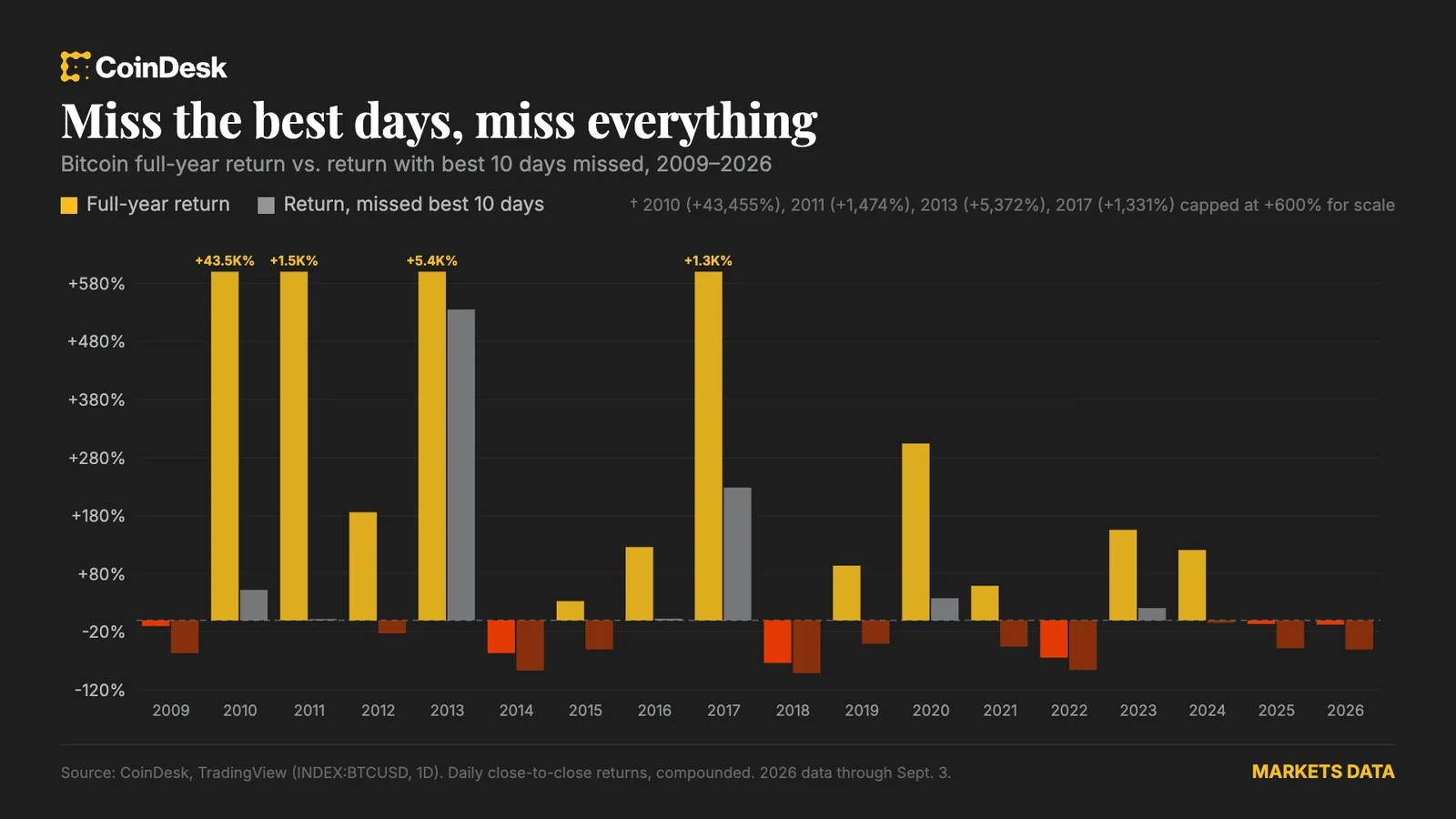
But the data tells a different story. Studies of market timing across asset classes consistently show that even professional fund managers fail to outperform buy-and-hold strategies over meaningful periods. Bitcoin, with its 24/7 trading, global participant base, and sensitivity to tweets, regulatory news, and macro shifts, amplifies this challenge exponentially.
What Makes Bitcoin Different
Traditional markets have circuit breakers, trading halts, and concentrated hours. Bitcoin never sleeps. A regulatory announcement in Asia at 3 AM UTC can trigger a sell-off that European traders inherit at breakfast, followed by a U.S. reaction hours later. This continuous, overlapping cycle means there is no natural « reset » window — price discovery happens constantly across every timezone.
Liquidity concentration is another factor. A handful of exchanges and whale wallets hold outsized influence. Large orders can move the market sharply, creating artificial dips and spikes that trap timing strategies. What looks like a breakdown may be a liquidity event; what appears as a breakout may be a squeeze.
The Behavioral Trap
Human psychology is wired for pattern recognition, even where none exists. After a sustained rally, investors feel certain the trend will continue. After a crash, fear locks them out at the precise moment capitulation — and the eventual reversal — is underway. This cycle of greed and fear, repeated across every major Bitcoin cycle, is the real enemy of timing.
DCA — dollar-cost averaging — has emerged as the pragmatic alternative. By investing fixed amounts at regular intervals, participants remove the emotional guesswork and smooth out volatility over time. It’s not glamorous, but it sidesteps the near-impossible task of calling tops and bottoms.
The Bottom Line
Bitcoin remains a high-conviction, high-volatility asset. Trying to time it is not just difficult — it’s statistically disadvantageous over the long run. The investors who have built lasting wealth in this space tend to focus on fundamentals, risk management, and time in the market rather than timing the market.