


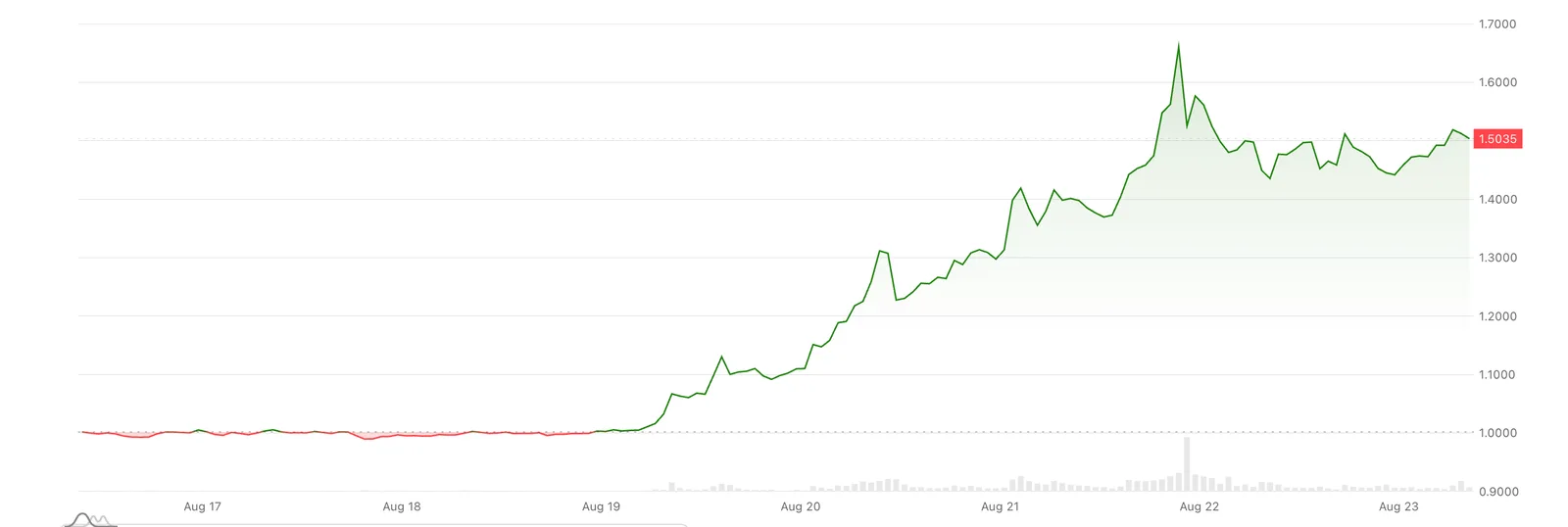
XRP’s Surge Defied Analyst Predictions
Recent trading data reveals that XRP has broken through major resistance levels, marking its highest weekly gain streak in a 21-month period. This remarkable performance captures the attention of both seasoned traders and newcomers alike, demonstrating how quickly market sentiment can shift in response to evolving economic signals. The price action has been nothing short of dramatic, with volume spikes confirming genuine buying interest rather than speculative bubbles formed out of thin air.
The Role of Treasury Programs
Market analysts attribute this unusual rally directly to ongoing Treasury buyback initiatives that are reshaping the landscape of short-term liquidity management. These programs, designed to address balance sheet constraints while supporting economic stability, have created an environment where cryptocurrency assets—particularly those with high utility profiles—experience unexpected upward pressure. The mechanism involves deliberate injection of capital into financial channels that favor certain digital assets, effectively aligning monetary policy goals with sector-specific growth potential.
Understanding Curve Control
Technical experts explain that these Treasury interventions represent a sophisticated form of what they term « curve control, » a strategy wherein central banks manipulate yield curves to manage market volatility. By selectively targeting specific instruments, policymakers can indirectly influence the overall risk appetite for digital currencies. The resulting effect creates a virtuous cycle where increased availability of liquid assets attracts speculative capital, which in turn drives price appreciation beyond conventional expectations established over previous decades.
Historical Context and Comparative Analysis
To understand the significance of this move, it helps to look at the broader trajectory of XRP and related blockchain projects. Over the past year, the cryptocurrency market has experienced waves of both euphoria and disillusionment, with several tokens struggling against macroeconomic headwinds. XRP’s current situation appears distinct because it aligns with real-world adoption narratives tied to cross-border payment solutions, giving it a tangible use case that many alternative assets lack.
Market Sentiment and Investor Behavior
Retail participation has surged alongside institutional activity, suggesting that this rally represents a maturation of capital allocation strategies in the digital asset sphere. Traders who initially dismissed XRP as a niche project now view it through the lens of broader systemic changes happening across multiple asset classes. The correlation between Treasury announcements and subsequent price movements indicates that macro developments continue to serve as powerful catalysts for crypto market behavior.
Risks and Considerations for Investors
While the upward trend presents attractive possibilities, it remains crucial for investors to maintain a critical awareness of underlying risks. Regulatory uncertainties surrounding digital assets persist globally, and sudden policy shifts could reverse the momentum seen recently. Additionally, markets concentrated around a handful of key drivers may experience amplified volatility if conditions change abruptly, making diversification an important consideration for long-term investors.