

A Higher Bar for Entry
In a strategic move to align with its massive platform growth, YouTube has announced a significant update to its monetization criteria. Starting February 1, aspiring creators will face much tougher requirements to join the platform’s revenue-sharing programs. This shift aims to address the scale of modern viewership, which now reaches billions of hours on television and hundreds of billions of Shorts views every single day.
Crucially, these changes are targeted specifically at new entrants. Existing members of the YouTube Partner Program will see no impact on their current earnings, ensuring stability for established creators while raising the barrier for those just starting their journey.
New Requirements for Shorts Creators
The evolution of short-form content has necessitated a specialized approach to monetization. To access the dedicated Shorts revenue pool, creators must now reach a significant milestone: 10 million views on Shorts within a rolling 90-day window. While channels that fail to hit this mark can still earn from long-form videos, they will only regain access to Shorts revenue once they meet the new high-volume threshold again.
Revenue Distribution Breakdown
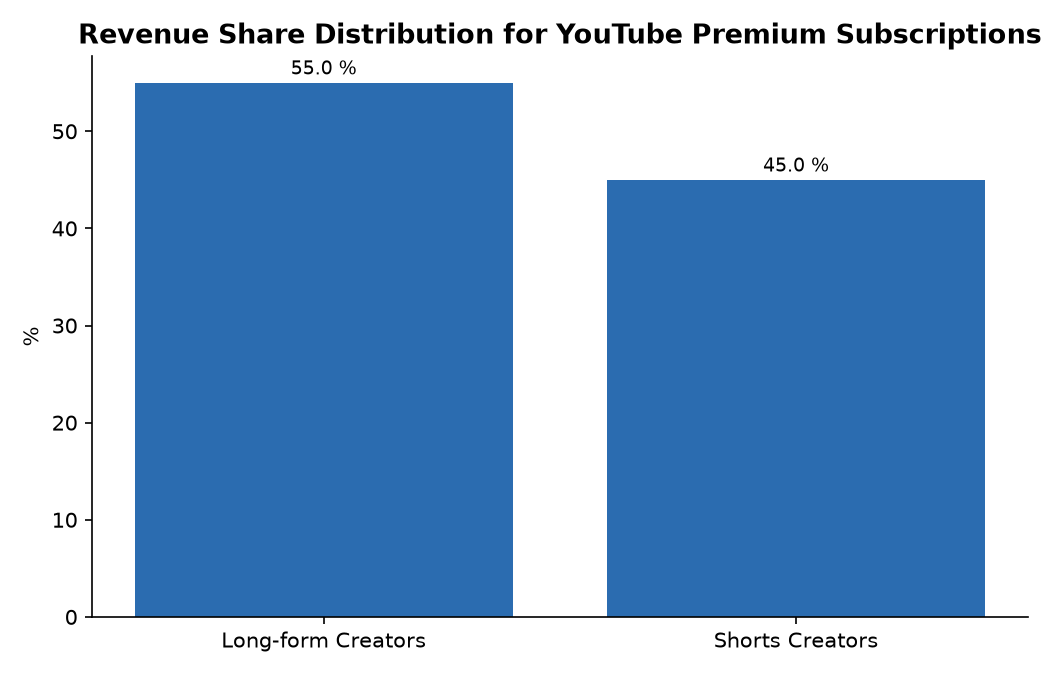
As part of its efforts to diversify subscription models, the platform is also expanding ‘Premium Lite’ globally. This ad-free, offline-capable tier contributes to the creator ecosystem through a specific revenue-sharing model. The distribution of these subscription funds is divided as follows:
- Long-form video creators: 55% of revenue
- Shorts creators: 45% of revenue
The Competitive Landscape of Social Media
YouTube is not acting in isolation. The broader social media industry is currently undergoing a period of intense restructuring regarding creator compensation. Other major platforms are simultaneously refining their payout guidelines to prioritize original content or to lure talent away from competitors. This trend suggests a growing industry-wide push toward rewarding high-impact, original content rather than sheer volume alone.
For creators, these changes mean that consistency and scale are no longer optional—they are the new prerequisites for financial viability on the world’s largest video platform.