


The New Era of Cybersecurity: Speed and Precision
The landscape of digital asset security is undergoing a radical transformation. As cyberattacks become more sophisticated, the window of opportunity for defenders to react is shrinking. Recent data from a major cryptocurrency exchange highlights a massive shift: AI-assisted auditing is detecting high-severity vulnerabilities at up to five times the rate of traditional manual reviews.
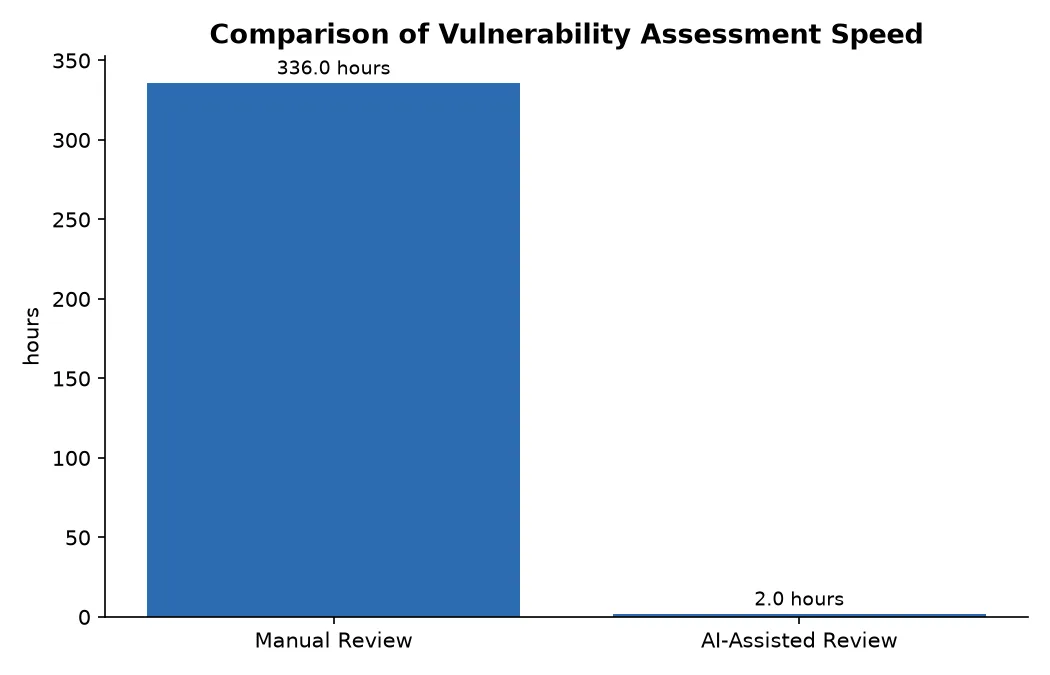
This isn’t just about finding more flaws; it’s about the incredible speed of response. In the past, the time required to assess a system and move to testing could take up to two weeks. With integrated AI tools, that timeline has been slashed to just two hours, allowing security teams to patch vulnerabilities before they can be exploited.
Mitigating Massive Financial Risks
For many exchanges, the motivation to adopt these advanced tools is born from necessity. After suffering one of the largest thefts in the history of the industry—losing approximately $1.46 billion in a single event—the importance of proactive defense has never been clearer. The industry is now seeing the tangible benefits of automated protection.
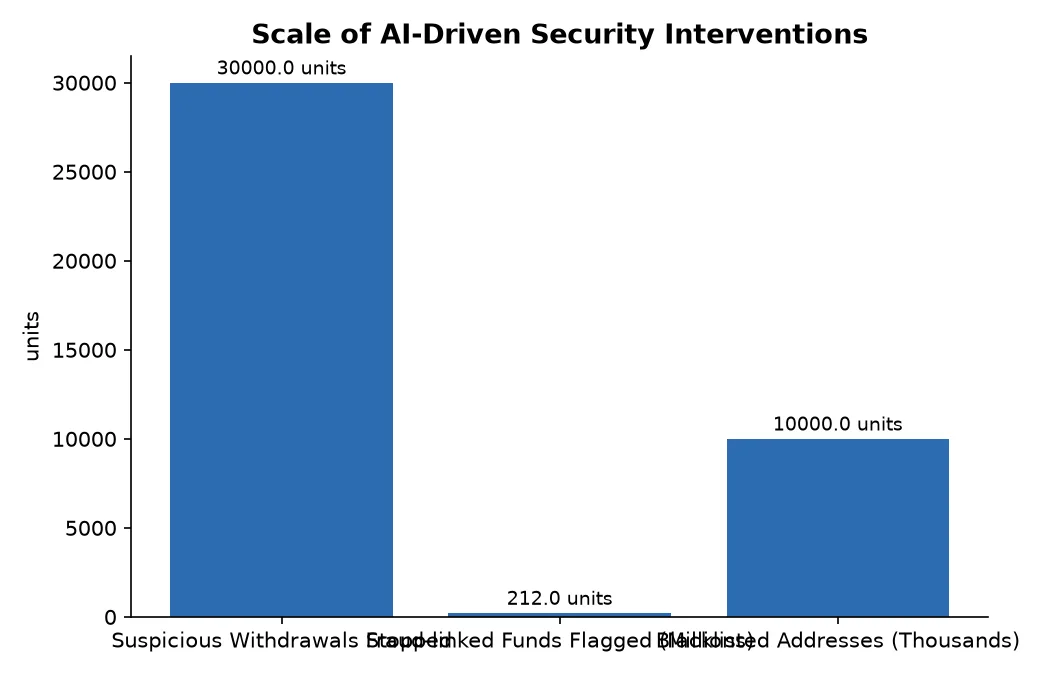
Recent performance metrics show that AI-driven systems successfully intercepted tens of thousands of suspicious withdrawal requests. By analyzing patterns in real-time, these automated tools prevented nearly $700 million in potential losses, protecting approximately 20,000 users from fraudulent activity. On average, a flagged withdrawal is now reviewed in under five minutes, ensuring that suspicious transactions are caught almost instantly.
The Cybersecurity Arms Race
The rise of AI has created a complex « arms race » between attackers and defenders. While developers and security firms are using AI to scan large codebases for weaknesses, state-sponsored hacking groups are also leveraging advanced models to find vulnerabilities. This has led to growing calls from industry leaders for early access to the most powerful AI models to ensure that defenders are not left at a disadvantage.
- Rapid Vulnerability Detection: AI systems can process over 100,000 security alerts in a short period.
- Fraud Prevention: Automated tools have been used to blacklist thousands of suspicious addresses linked to fraudulent activity.
- Continuous Scanning: Automated ‘ed-team’ systems can scan thousands of public-facing assets to identify flaws before they are exploited.
Despite the power of automation, industry experts emphasize that human judgment remains essential. The goal is not to replace security professionals, but to empower them with tools that can process data at a scale and speed that humans simply cannot match.